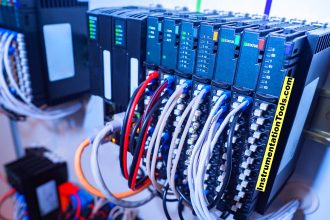
Every system in the world is prone to failure. It has not even spared the automation systems. However hard you try to make the system of automation a very robust one, some or the other things can make the system fail. One such widely used system in industrial automation is a PLC control. Even a robust and stringent PLC control system can fail due to multiple reasons. That is why the engineers must know what reasons that can cause a PLC system failure. In this post, we will see the top common causes for PLC system control failure.
PLC Failure

The Top Common Causes for PLC Failure are listed below.
- Power supply issues or voltage fluctuations
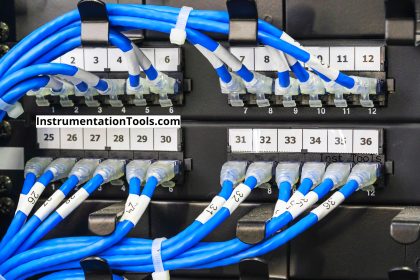
- Loose or corroded wiring connections
- Faulty or aged input/output (I/O) modules
- Environmental conditions (heat, humidity, dust)
- Grounding or electrical noise problems
- Firmware or software corruption
- Improper PLC programming or logic errors
- Communication failures (e.g., with SCADA or HMIs)
- Overloaded processor or memory faults
- Incorrect or failed sensor signals
- Short circuits or overloads in field devices
- Poor maintenance or lack of periodic inspections
- Electrostatic discharge (ESD) damage
- Use of non-industrial-grade components
- Battery failure in memory-retentive PLCs
Power supply issues
This is the very first and common cause for any system to fail. PLCs are mostly driven by a 230 V AC supply or a 24 V DC supply. Some PLCs are even driven by a 24 V AC supply, with the use of step-down transformers. Frequent power outages can at some point of time cause damage to the PLC internal circuits. Apart from power outages, voltage surges or spikes can also damage the PLC hardware.
As we know, UPS or an inverter is the most common solution to address this issue. But, if the UPS itself is weak to operate or not properly functional, then it will fail the PLC. If the PLC panel has some high-noise generating devices like VFDs, then the harmonics generated can also create electromagnetic interferences in the power supply and cost surges or spikes. Many panels also do not have a single-phase preventer relay, which detects phase failure and trips the power supply of the PLC.
CPU failure
Next comes the failure of the CPU of the PLC. One of the major reasons is overheating. If the CPU is not properly ventilated, then its temperature will increase over a period of time and eventually damage its internal circuits. Also, the CPU fails due to inefficient software programming done inside. If there are infinite loops occurring every time or the scan time is taking too long to execute due to heavy programming, then a watchdog timeout error will occur and stop the CPU. If you are downloading a firmware in the CPU and the power supply fails in between, then the CPU will fail and will be of no use then. Lastly, if the memory or SD card that is inserted in the PLC is corrupt, then the CPU will not perform properly.
IO Module failure
PLC IOs are analog and digital in nature. If the wiring is improper or the earthing is weak, then the module will not perform as per its hardware specifications. It can also short the back plane of the CPU where it is connected. And as the IOs are responsible for communicating with the field, a failure with the inputs and outputs can hamper the system’s performance to a great extent.
Network card failure
This is another reason for PLC system failure. Nowadays, most of the data is communicated in the PLC through industrial communication protocols like Modbus, Ethernet, CANOpen, etc. If the communication port fails or if any open communication cable causes any short circuit by touching other wires, then data loss will occur to a very large extent. Other causes of networking failure are wrong configuration and failure of network devices like switches, gateways, and routers.
Poor grounding
Almost all the PLC modules, ranging from CPU to IO cards to network cards, have an earthing point connection to them. If the earthing is not connected or the earthing in the system is not proper, then any leakage current or fault current will directly affect the PLC hardware. The hardware can get damaged easily in that case. Poor grounding can also cause an increase in electromagnetic interference in the signal flow, resulting in false interpretation of data in the PLC or abrupt analog signal variations.
Programmer error
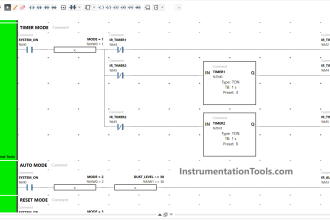
This is the major cause of concern for PLC system failure. If the program is written ignoring safety standards or not judging any faulty conditions properly, or not judging any process condition that can happen in the future, then the overall process will misbehave and can result in failure. Wrong configuration inside the program or unwanted logic writing results in overusage of memory, CPU failure, and slow processing.
Sometimes, the LED indicators in the CPU or IO modules are ignored, and that can result in a bad performance over time. The programmer has downloaded and commissioned the site with the latest backup, but has forgotten to take the last backup. In that case, if you again go online in the PLC and download an older version by mistake, then the process will malfunction.
Looking overall, the PLC system is a very critical part of automation functions, and such reasons can cause a very big downtime and loss in business. In this way, we discussed the top common causes for PLC system control failures.
Read Next:
- Multi-Tank Liquid Level Control System with Fill Priority
- Siemens TIA Liquid Temperature Control System
- Flood Warning System using Programmable Controller
- Siemens TIA Portal Elevator System with Safety Features
- PLC Project: Detect Overweight and Less Weight Bottles