Earthing is one of the most important subjects, especially for Electrical and Instrument & Control Engineering in industrial process plants. However, due to different aspects and requirement conditions for this subject, proper implementation of it in industrial process plants is done via different practices and is usually not completely successful. The main reason for making problems or defects in such implementations is mainly due to ambiguity in the correct or right understanding of different aspects of Earthing/ Grounding. So, to find good practice for right Eathing/ Grounding, we may first study the different aspects and references for such a subject and then investigate the ways to reach our target (for studying such aspects, you may refer to the InstrumentationTools article “Some Earthing Aspects in Industrial Process Plants”).
Based on found Grounding aspects, then we can then investigate the Earthing Requirements in Industrial Process Plants, and in this article we try to find some of the main Earthing needs and requirements. One of the main concerns for finding the required facilities and functions in our good practice is noticing to different definitions and providing suitable approaches for satisfying different needs and conditions. Figure 1 shows some extracted definitions from one of the main references for Earthing / Grounding standard.
Earthing, Grounding and Bonding
Generally, and based on understandings from different standards and definitions in different countries areas (as an example, Europe or America), both words Earthing and Grounding refer to the same concept. In fact, Earthing and Grounding are accepted as the function of connection to one equipotential source (Earth Planet or Master Grounding Bar (MGB) as a source of an equipotential reference point).
As a result, we may say: “we have just one Earth planet while we have infinite (electric) connection ways to it as grounding or earthing “.
By the above explanation, we may use earthing and grounding as interchangeable words (so from now up to the end of this article we use Earthing (Earth) or Grounding (Ground) for the same concept).
“Bonding” is a method by which all electrically conductive materials and metallic surfaces of equipment and structures, not normally intended to be energized, are effectively interconnected together via a low-impedance conductive means and path to avoid any appreciable potential difference between any separate points.
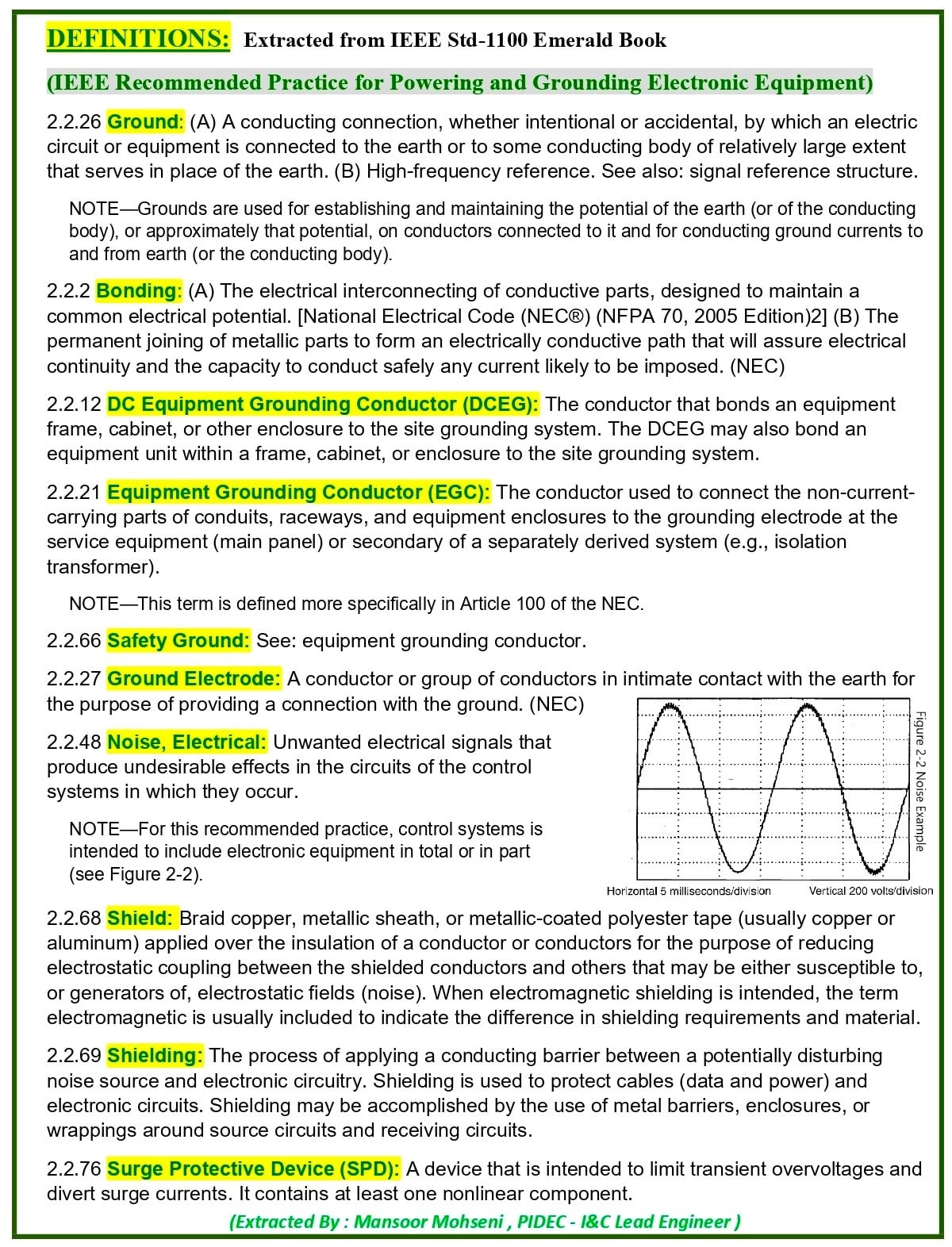
Figure-1: Some Extracted Definitions from IEEE Std-1100 Emerald Book
Why do we need Earthing?
In each Industrial Process Plant, we have different conditions and requirements for making suitable Earthing needs. Some of the main items are mentioned here.
Electrical Power Earthing
For balancing the voltages and currents in power electrical phases (with neutral line), we need an earthing connection at the substation area (or Electrical Power Transformer yards). Such earthing may be applied in different ways based on standards and country codes (TN, TT, IT), but regardless of the implementation method, we need one Earting Route for this facility. Further to electrical circuit balancing, we need special safety protection for humans at Electrical power Substations too, as shown in Figure-2.
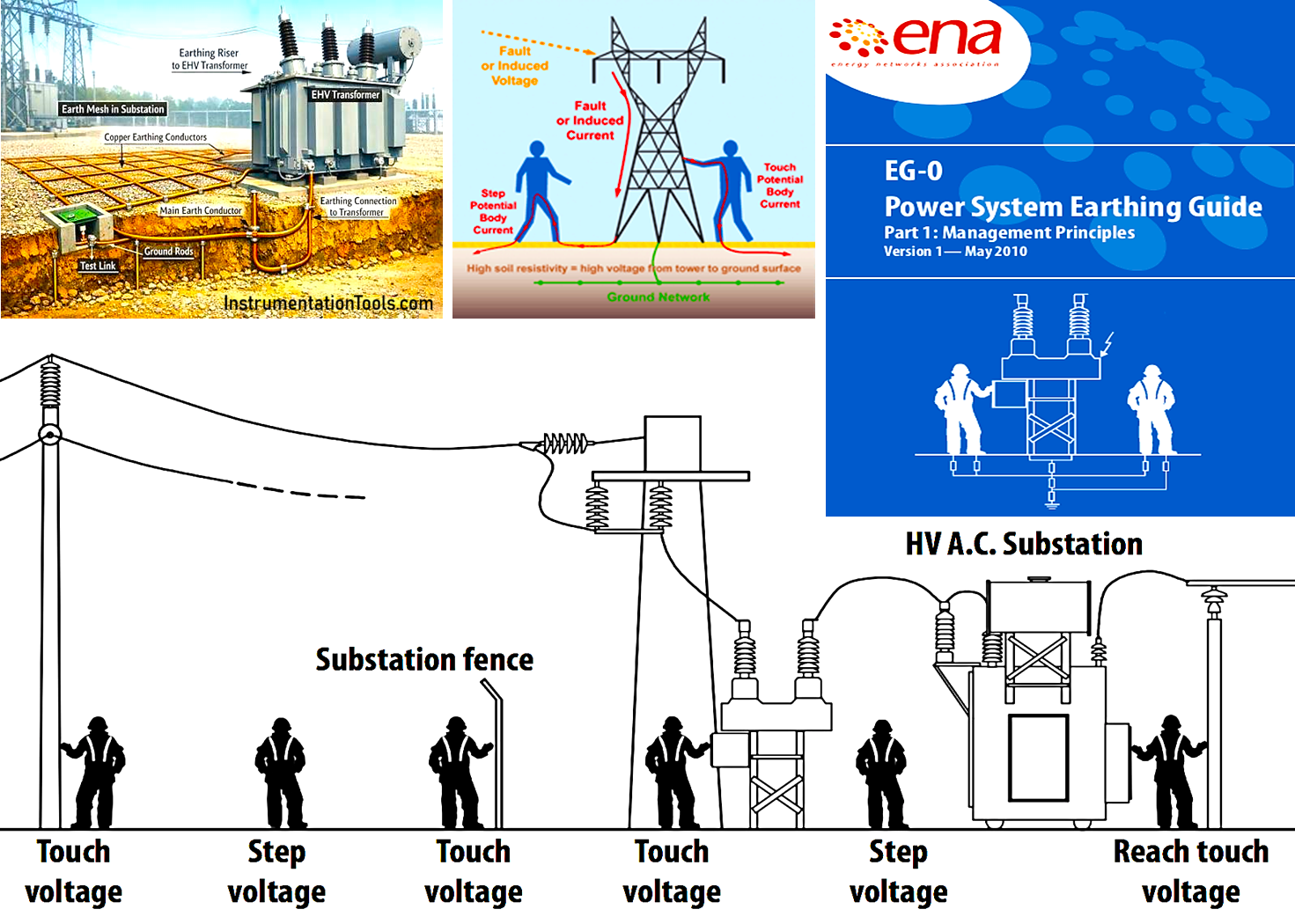
Figure-2: Earthing need for Power Electrical Substation.
Safety Protection Earthing
To provide safety protection due to different hazards to humans and equipment (especially for fire or explosion protection), we need to connect all metallic parts of equipment, devices, and structural buildings to the safety protection earth (this protection may be used for static charge or dynamic electrical current too). Electrostatic Discharge (ESD) is the sudden flow of electricity between two electrically charged objects caused by contact, an electrical short, or dielectric breakdown (for objects placed in proximity to each other’s).
Such requirements are mentioned in different standards, codes, and safety guidelines in different manners, but all of them can be summarized as Safety Protection Earth. Since this type of protection is related to mainly AC electric power of the plant, such earthing protections are handled by Electrical Engineering Teams, and usually it is merged or considered part of the same “Electrical Protection System”. Implementation of Bonding is a very critical concept for achieving good safety protection earthing (Figure-3) in this regard.
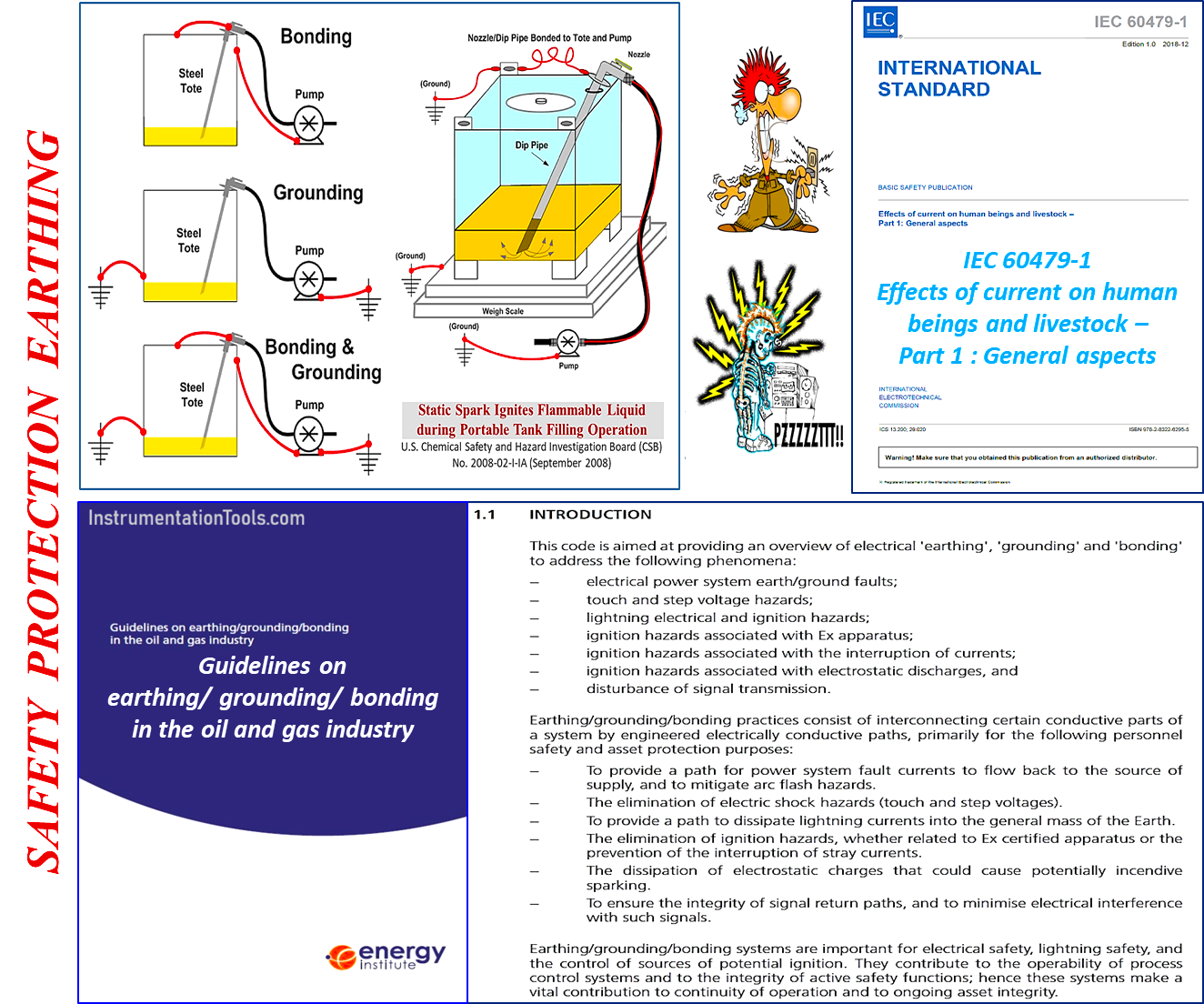
Figure-3: Earthing need for Safety Protection.
Lightning Protection Earthing
Lightning is a massive electrical spark between either the cloud and ground, ground and cloud, cloud and cloud, or cloud and upper atmosphere. The science behind understanding how lightning forms, propagates, and dissipates is constantly evolving. The current theory is that particles such as water vapor or ice particles are in a constant state of movement via the convection cycle (warm air rises, cools, and falls), which creates positively or negatively charged particles. The building energy in these particles eventually reaches a point where it must equalize its electrical polarity. Lightning may be considered as one type of ESD (electrostatic Discharge) or a surge of high electrical power energy (a typical lightning stroke carries a current of 5 kA – 20 kA and a voltage of approximately 100 kV).
Lightning and Surge Protection is a critical subject in industrial process plants and shall be cared exactly by implementation of suitable systems and relevant Earthing requirements. There are some standards, codes and practices for following right actions and conditions in this regard (see Figure-4).
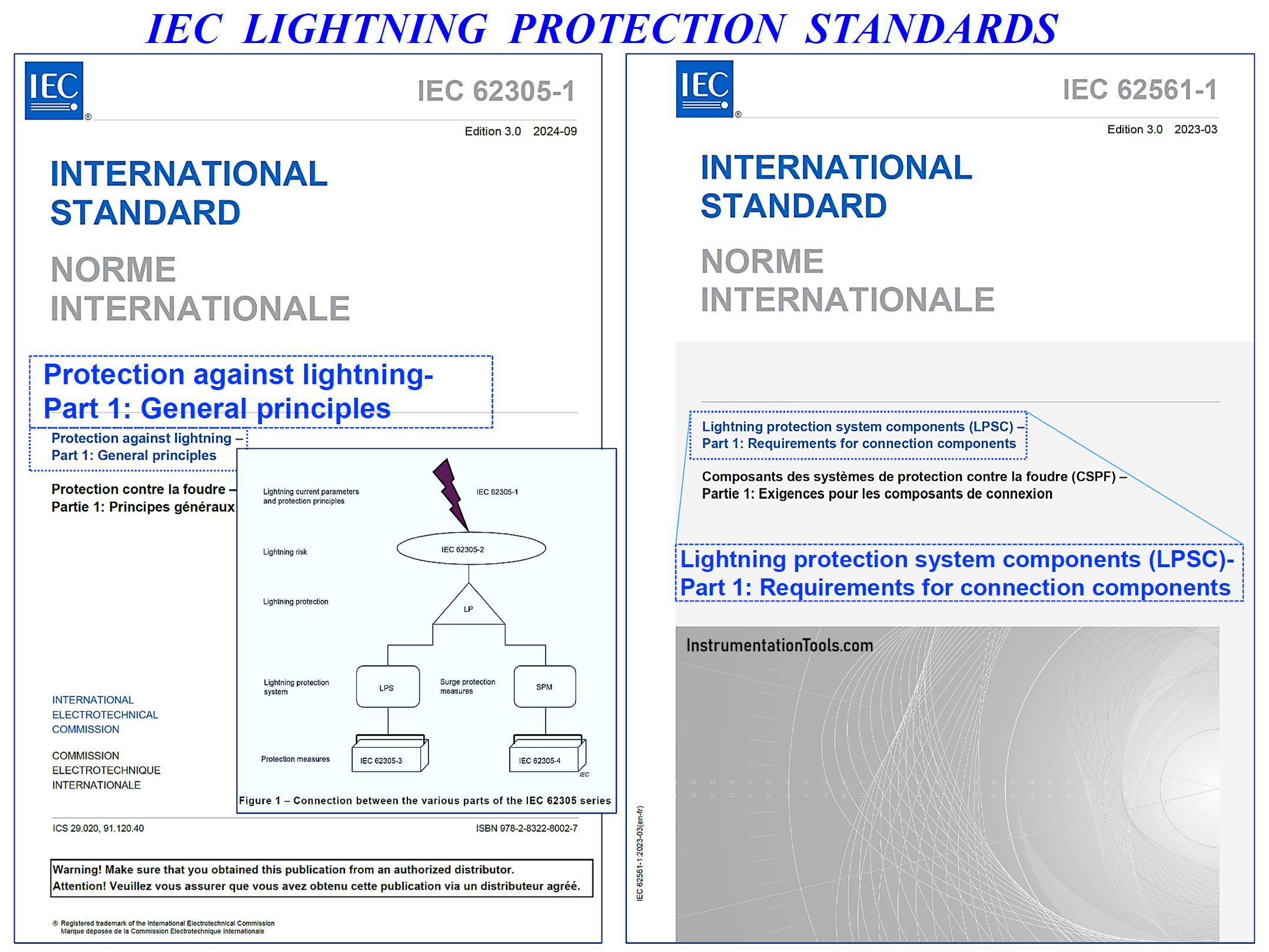
Figure-4: IEC Lightning Protection Standards.
Instrumentation and Control (I&C) Earthing
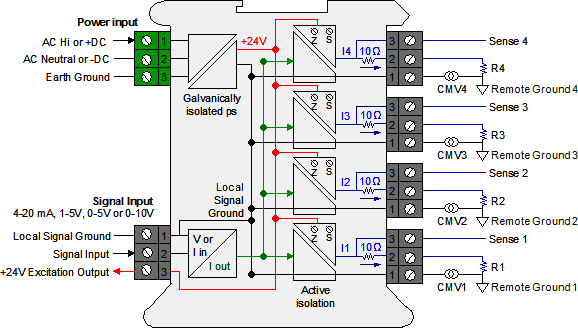
Control and Safety Protection Systems (SIS) and instrumentation of industrial process plants, usually dealing with low voltage circuits and electronic components (systems). For such systems, noise and EMI protection are main concerns, which leads to considering low-resistance paths to earth, due to usually low-voltage filtering, and further to considering a zero-voltage reference (balance) for signal interfaces.
Noise is defined as unwanted voltages and currents on (favorite) signals. This includes signals from all sources, whether it’s radiated or conducted. EMI protections are those related to Electro-Magnetic Interferences.
Based on this explanation, I&C Earthing requirements may be found in detail in IEC-60364 standards and IEEE-1100. (See figures 5 and 6).
In some industrial process plant documents, the I&C Earthing usually is called clean earth due to a low-resistance path to earth (against the dirty earth for a safety electrical earthing system, which may need paths with higher resistance). IEEE-1100 clarifies that using clean and dirty adjectives for earth is not correct. Remember that we have just one earth planet with different connection paths to it, and so we may say a low-resistance earthing path (for I&C Earthing system) and a high-resistance earthing path (for Safety Electrical Earthing system).
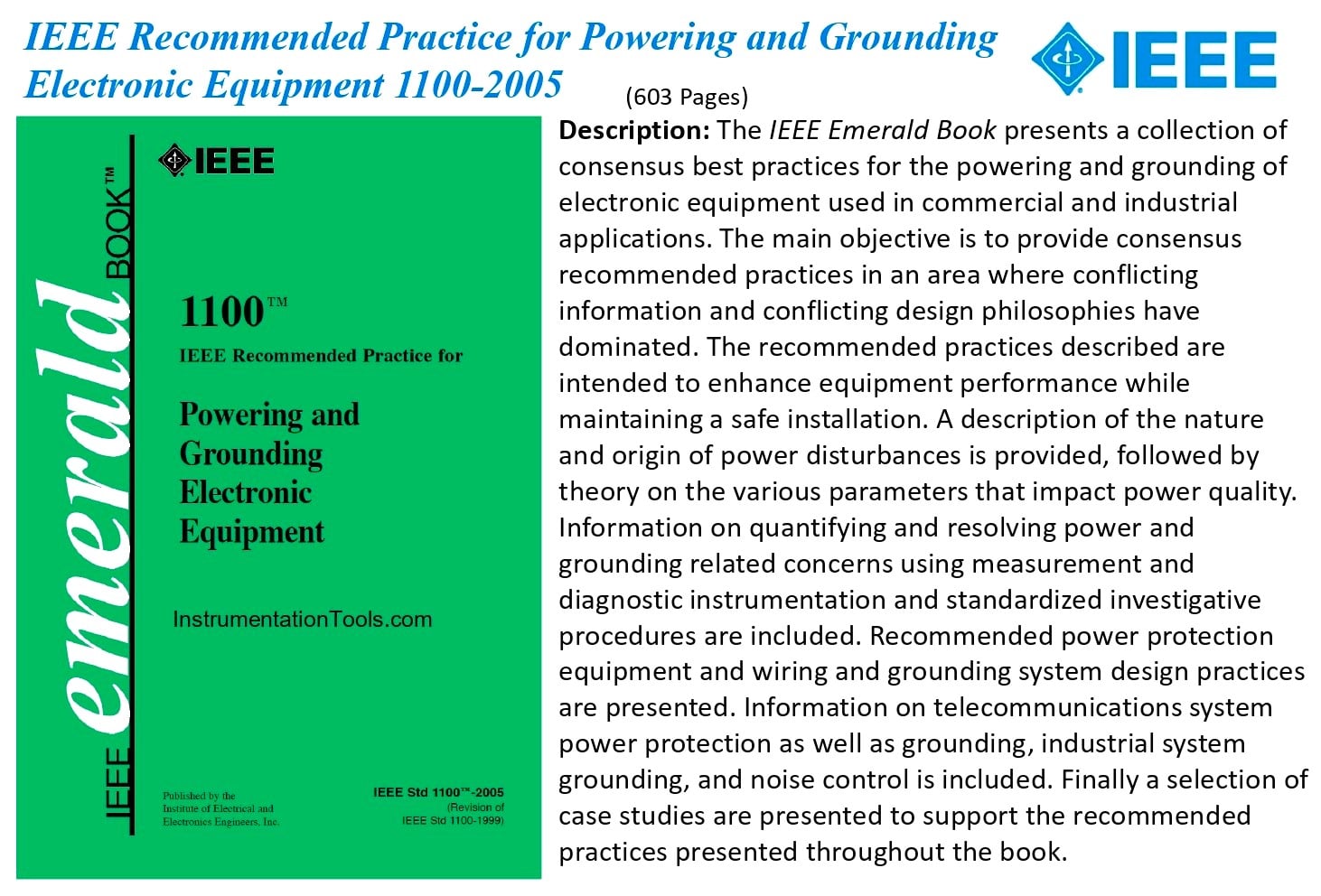
Figure-5: IEEE 1100 (Emerald Book) Recommended Practice for Powering and Grounding Electronic Equipment
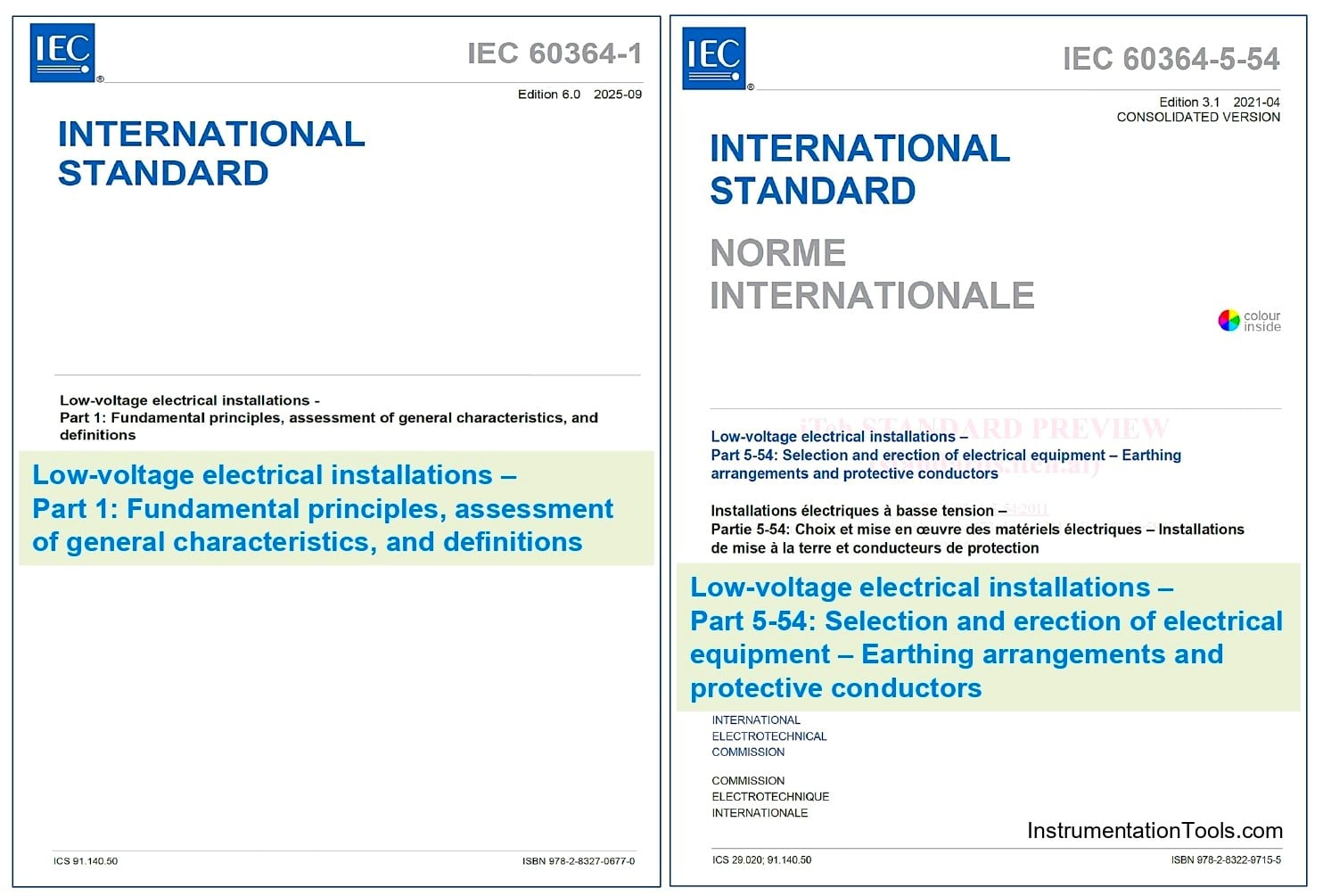
Figure-6: IEC 60364 Standards for Low-Voltage Electrical Installations
Integrity of Earthing Systems (Wells/ Rods)
Based on different standards and recommendations, we may find different requirements for Earthing conditions, which may have some conflicts with each other. As an example, the considered domain of current flow in different systems may vary from low to high (from the I&C Earthing system to the Power and Lightning Earthing System).
As another point, remember that we need low-resistance Earthing for I&C Earthing (about 1 ohm), while usual/ normal Electrical/ Protection Earthing is about 10 ohms. Also, remember that we have just one Earth Planet, while there are different paths to reach it, and so our different Earthing systems shall connect to each other at suitable points to arrange one overall Earthing networking system in our Industrial Process Plant (as shown in Figure-7 based on IEC 62305 standard).
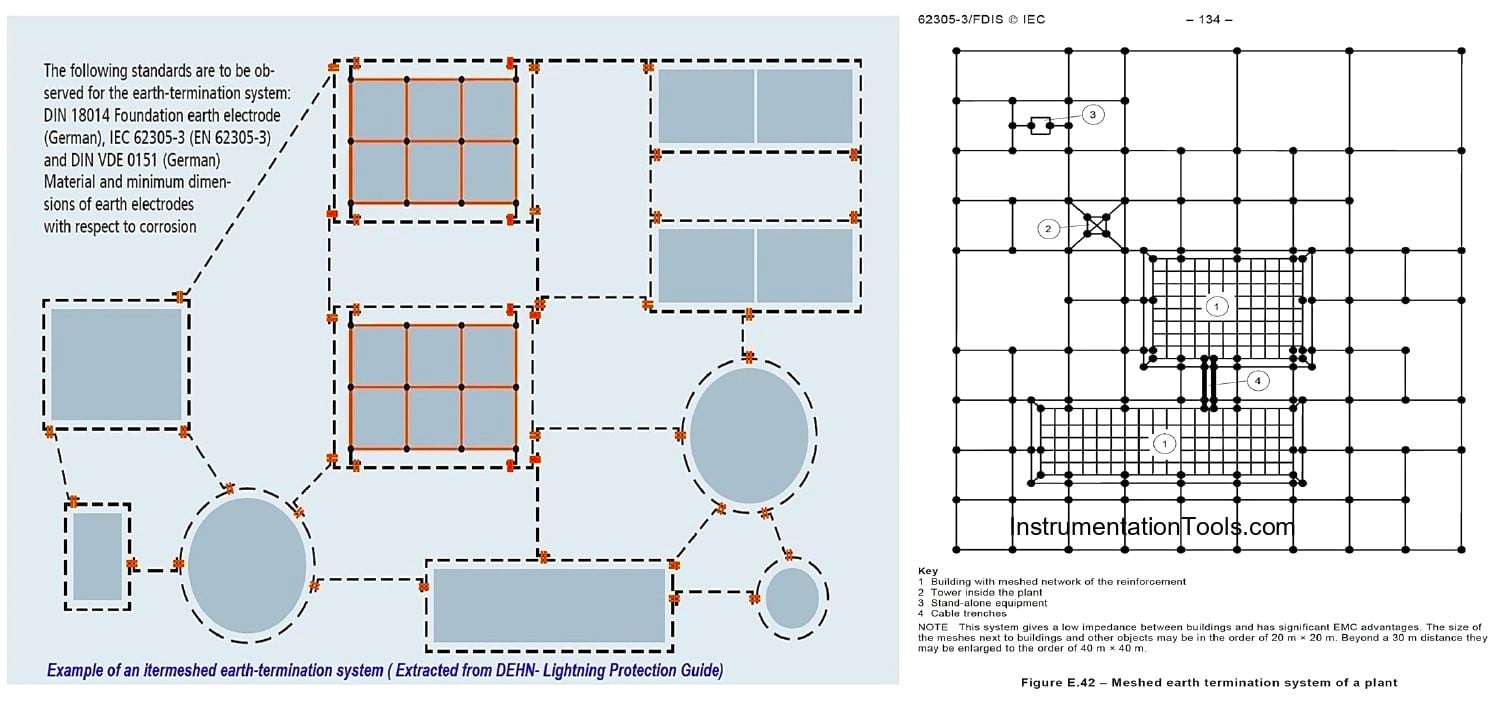
Figure-7: IEC 62305 Recommendation and one example of an intermeshed Earth-Termination System.
Important Roles of Bonding
Here it shall be strictly noted that Bonding has the great role in the effectiveness of designed earthing systems. In fact, bonding has the main role in preventing accidents related to fire and explosions and lightning protection, and so there are many industrial references and guidelines can be found on this concept. Figures 8 to 10 show some of the standard recommended practices or study references for understanding the Hazards of ignition and the important roles of Bonding to minimize such risks.
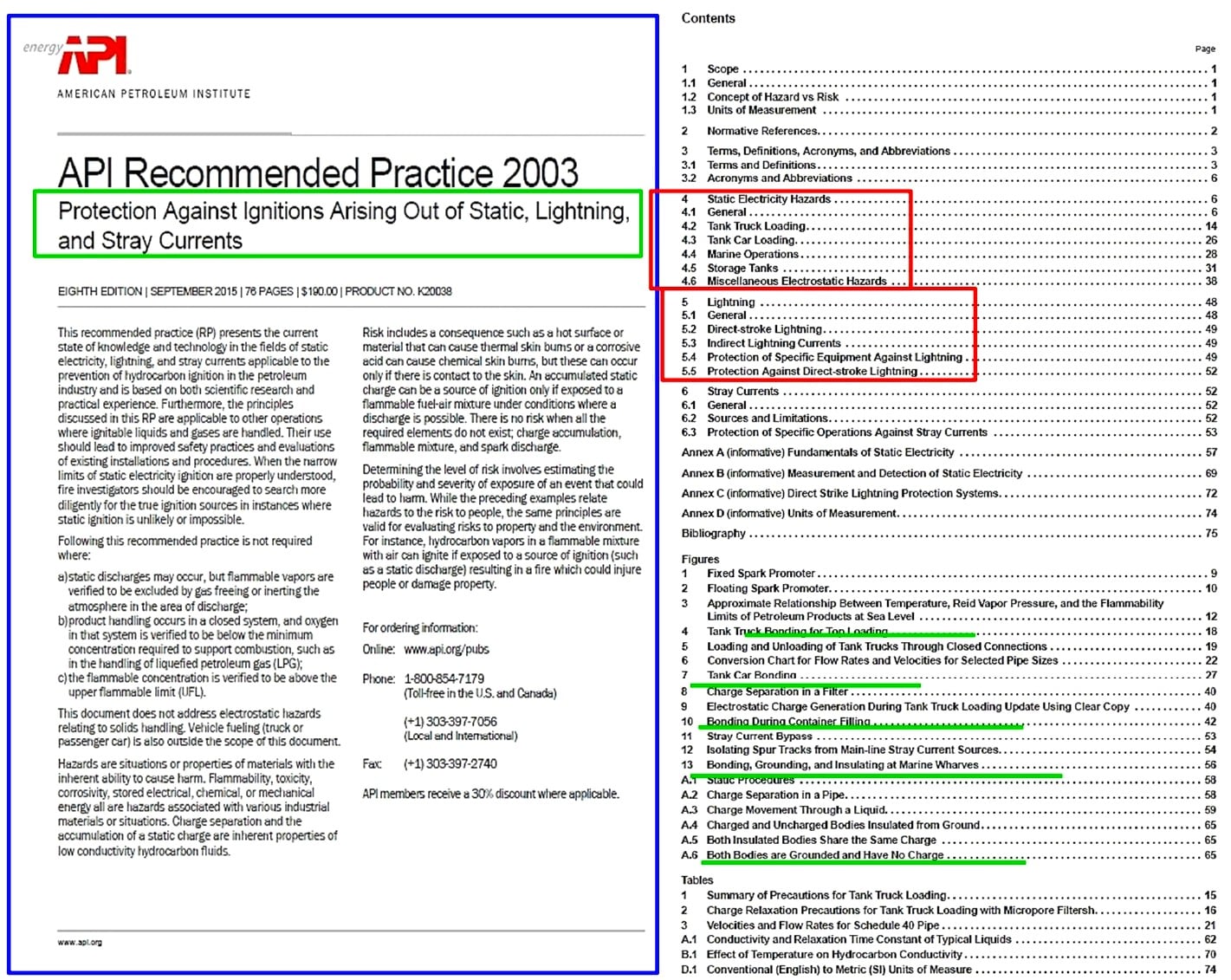
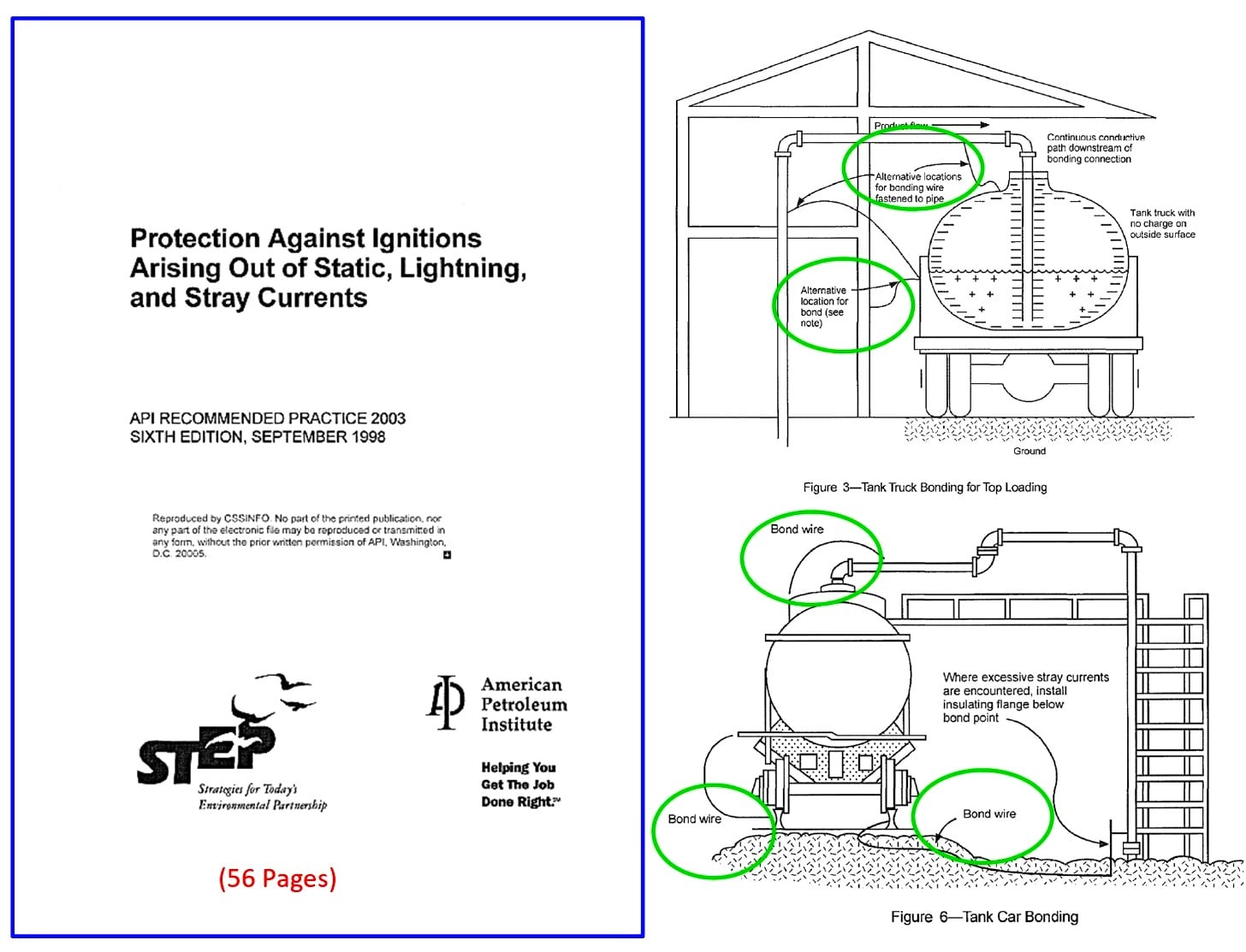
Figure-8: API Recommended Practice 2003: Protection Against Ignitions Arising Out of Static, Lightning, and Stray Currents.
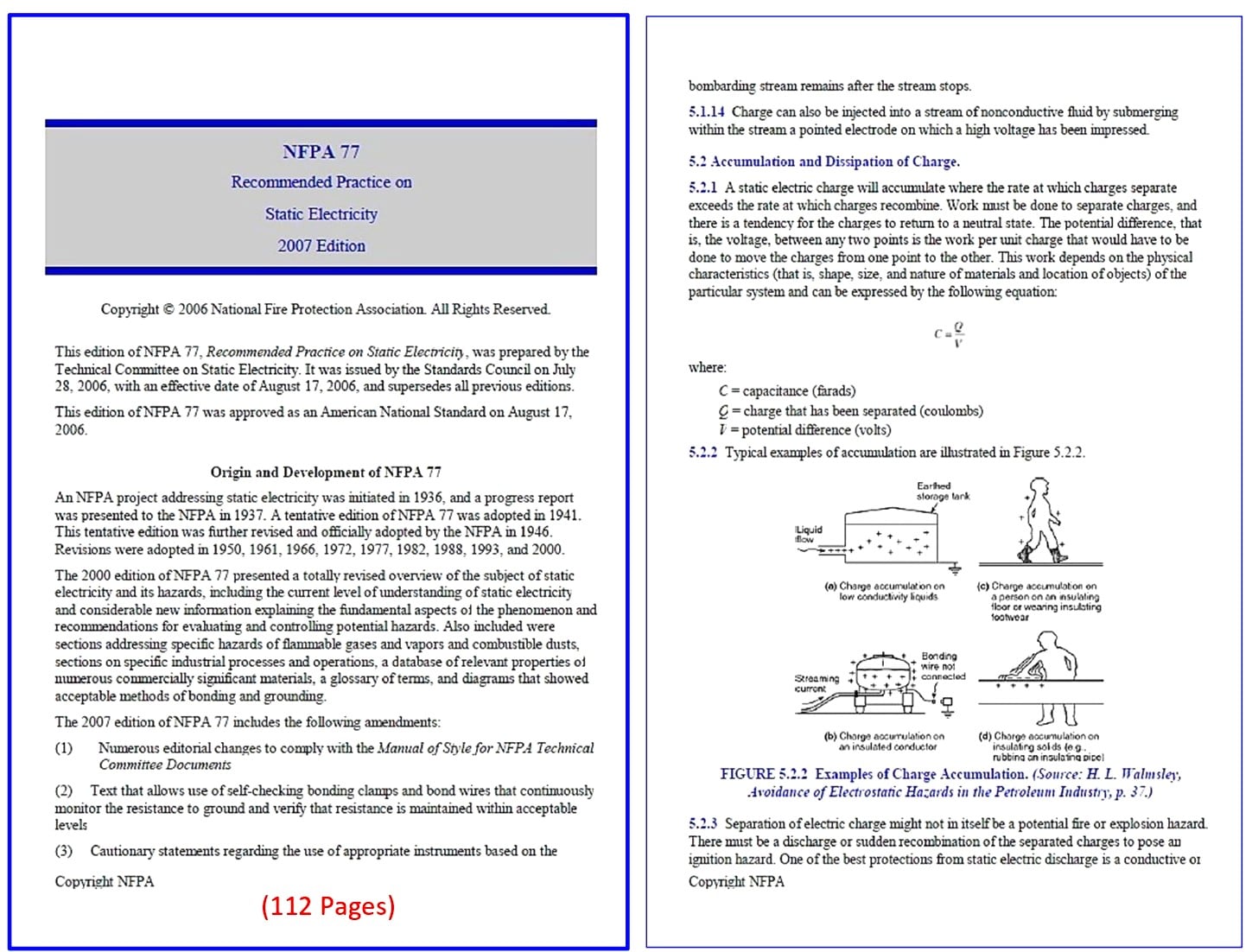
Figure-9: NFPA 77 Recommended Practice on Static Electricity.
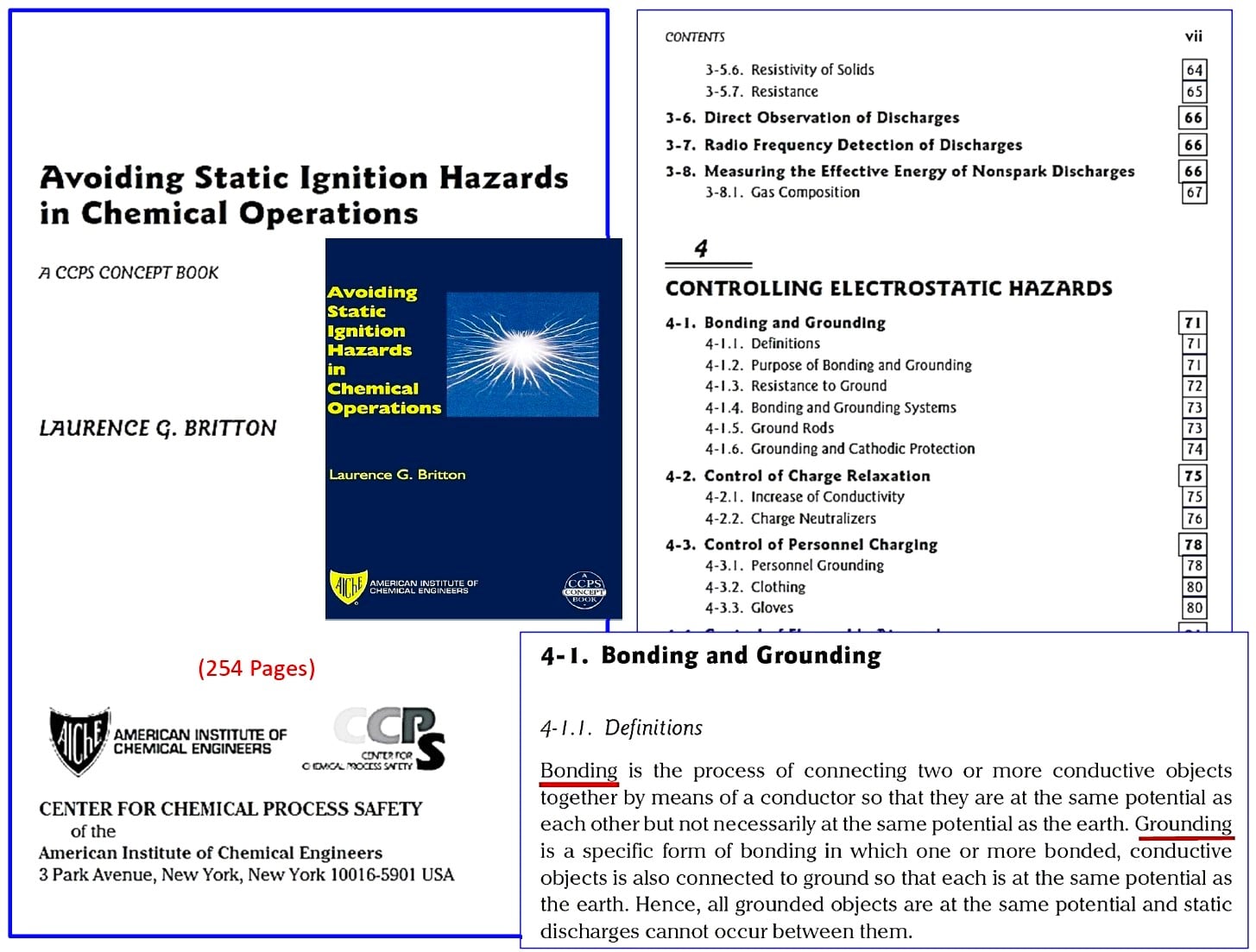
Figure-10: A CCPS very good reference book for explaining Ignition Hazards Control
Some good references
As mentioned above, satisfying all requirements on different Earthing Systems Needs in an industrial process plant is very complex, and designing properly with minimum conflicts is the final target. In order to find all requirements in Industrial Process Plants, we need to study all requirements in detail. Fortunately, there are many books or guidelines are existed for such targets, and some of them are mentioned in Figures 11 to 15. It is very important to notice that finding the exact requirements is required for different subjects and activity aspects relevant to Earthing Systems, including:
- Considering and designing all required Earthing Systems (Connections to a single overall Earth or an imaginary one Earth point) and understanding the exact and complete side effects and risks of bad designs.
- Considering and implementing the right and correct Earth connections to different Earthing Systems (including: Earthing rods, wells, meshes, bonding wires or strips, quality of wells and rods matters, the exact measurements and calculations for final earthing system resistances, size of connection wires, types of connections, indication markings (using suitable colors),…)
- Considering all hidden items relevant to Earthing Systems Requirements (as examples: possible material corrosion, finding and measuring earth fault leaks, wrong earth loops, …).
- Considering the suitable facilities for maintaining and troubleshooting problems for all different Earthing systems and easily finding the faults.
- …
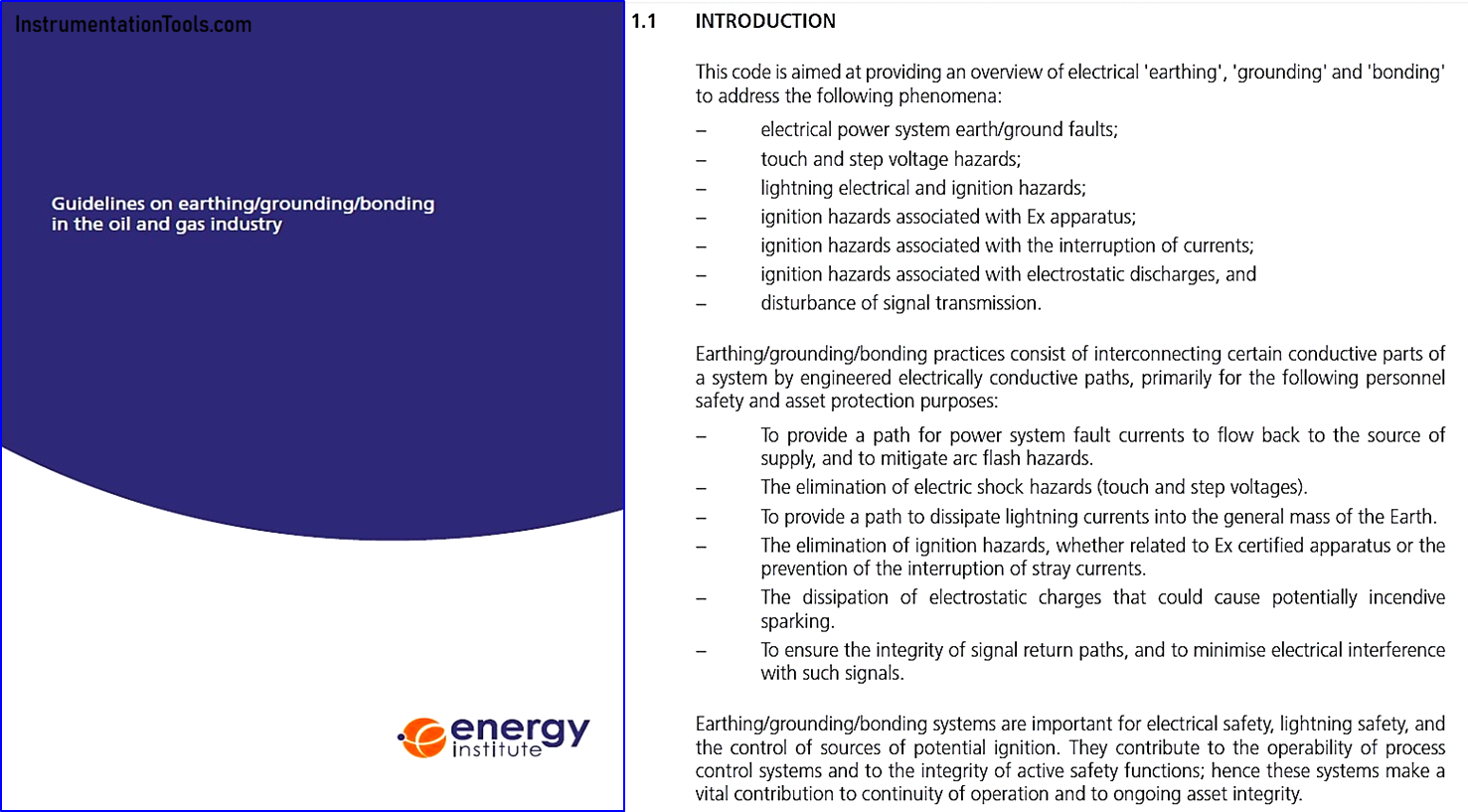
Figure-11: Guidelines on earthing/ grounding/ bonding in the oil and gas industry.
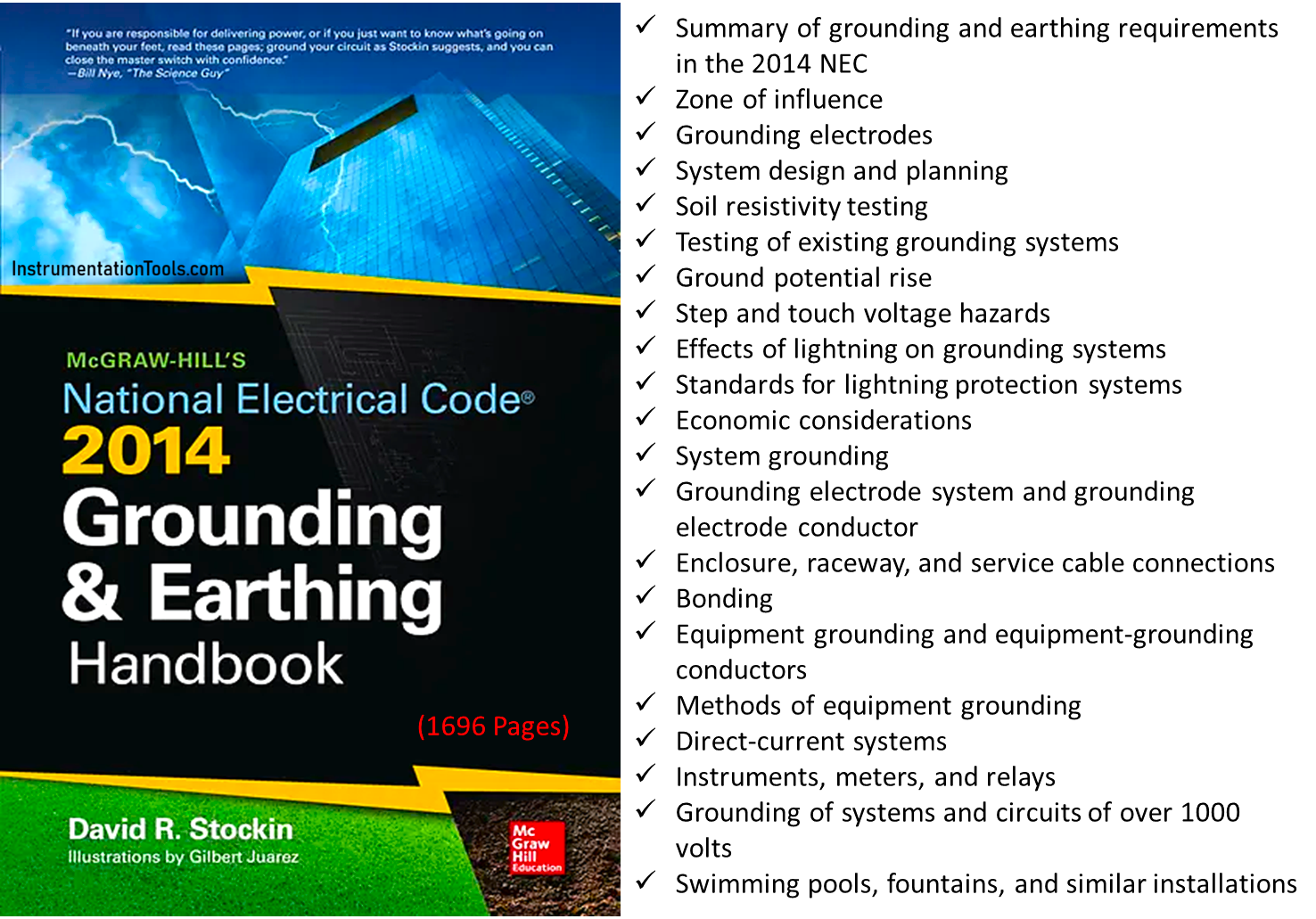
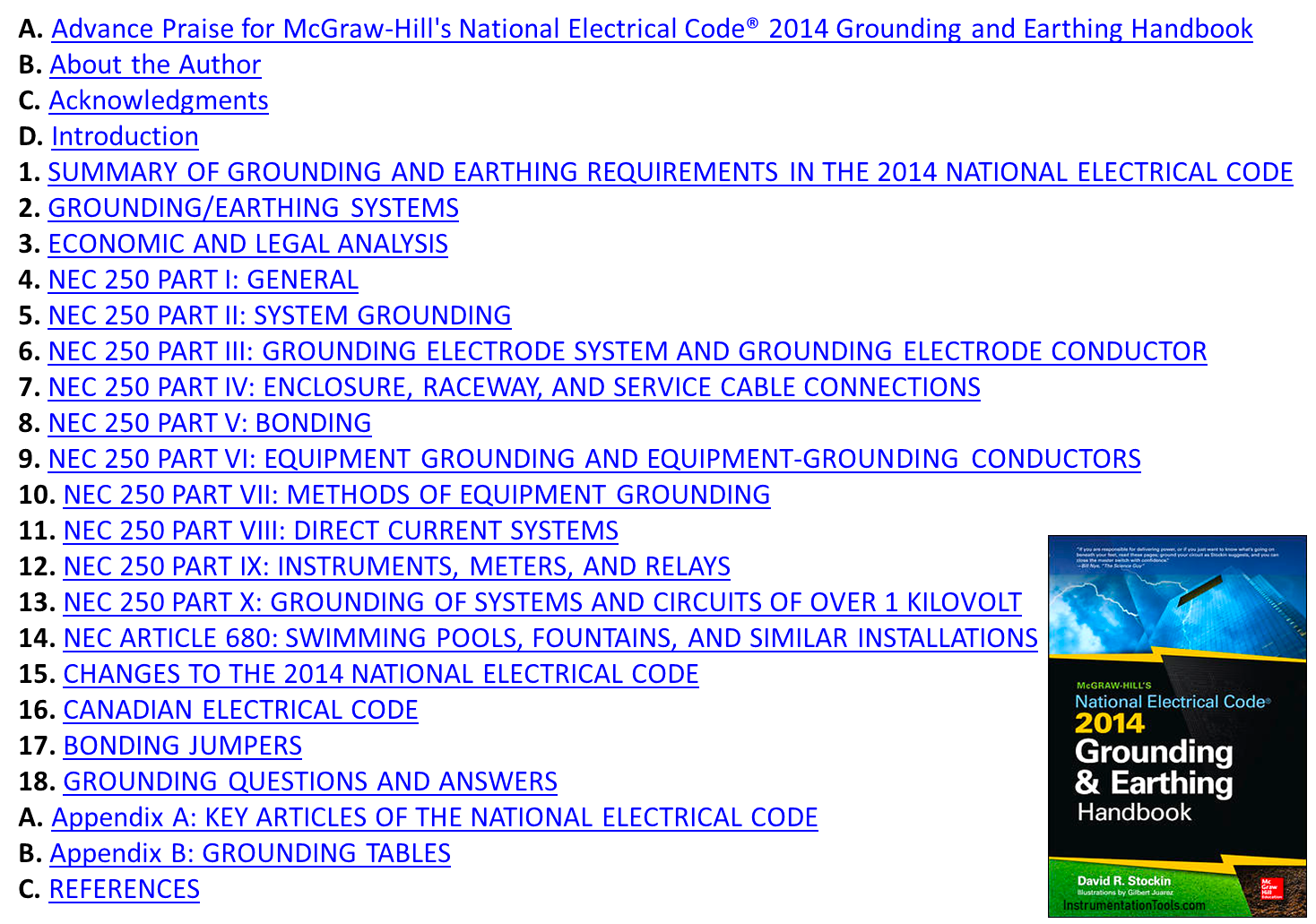
Figure-12: NEC Grounding and Earthing Handbook (McGraw Hill’s book)
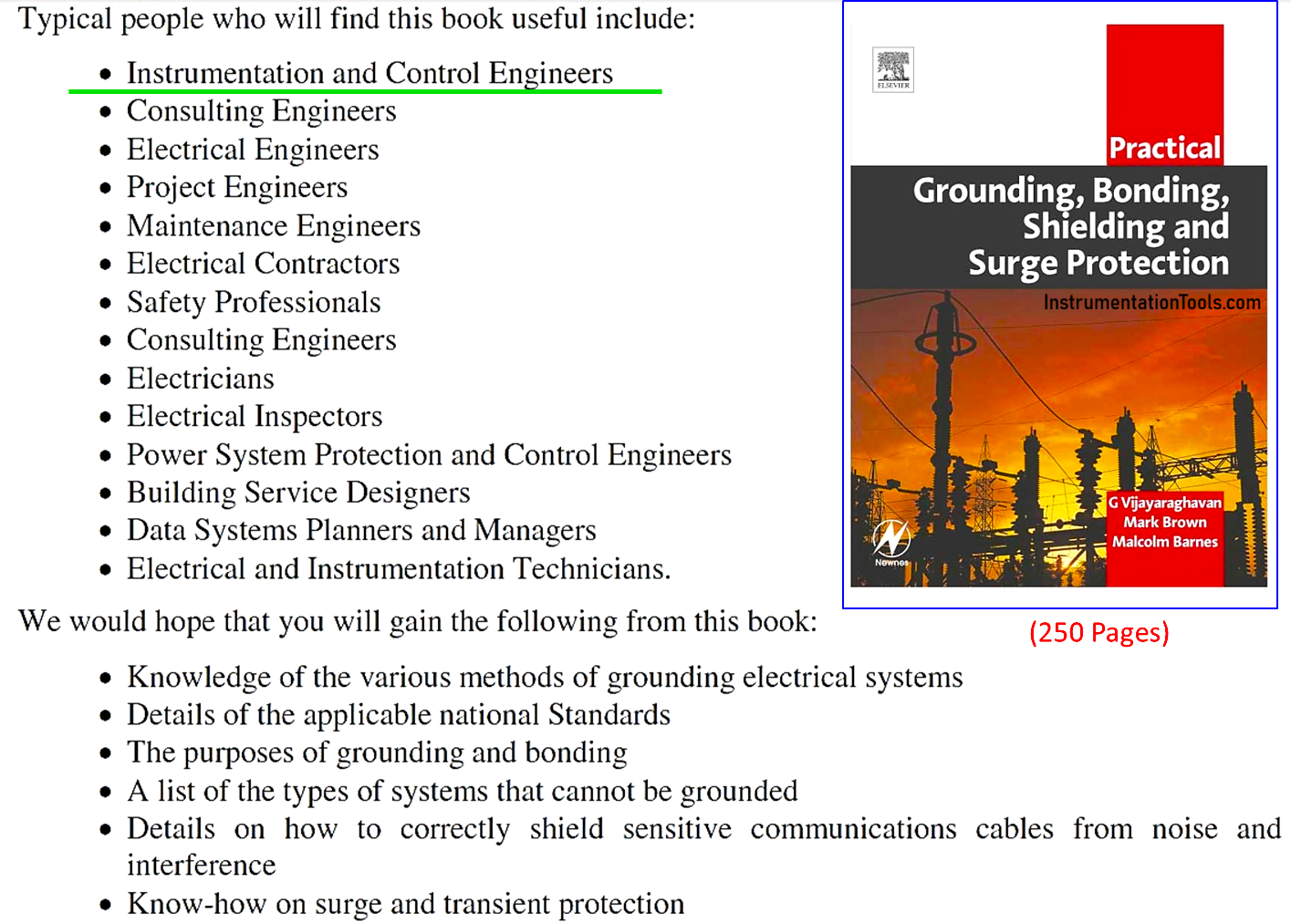
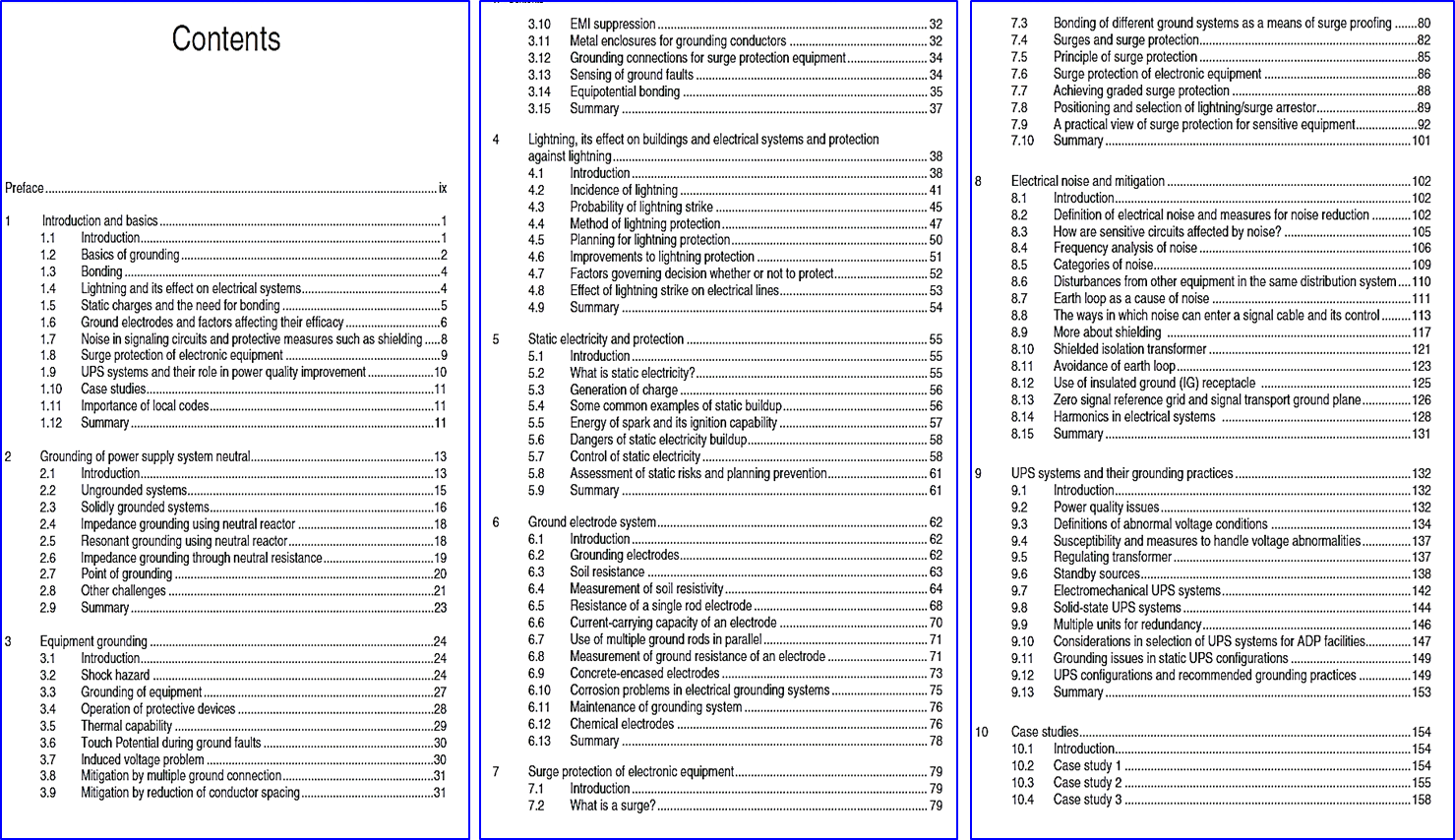
Figure-13: Practical Grounding, Bonding, Shielding and Surge Protection (Elsevier book)
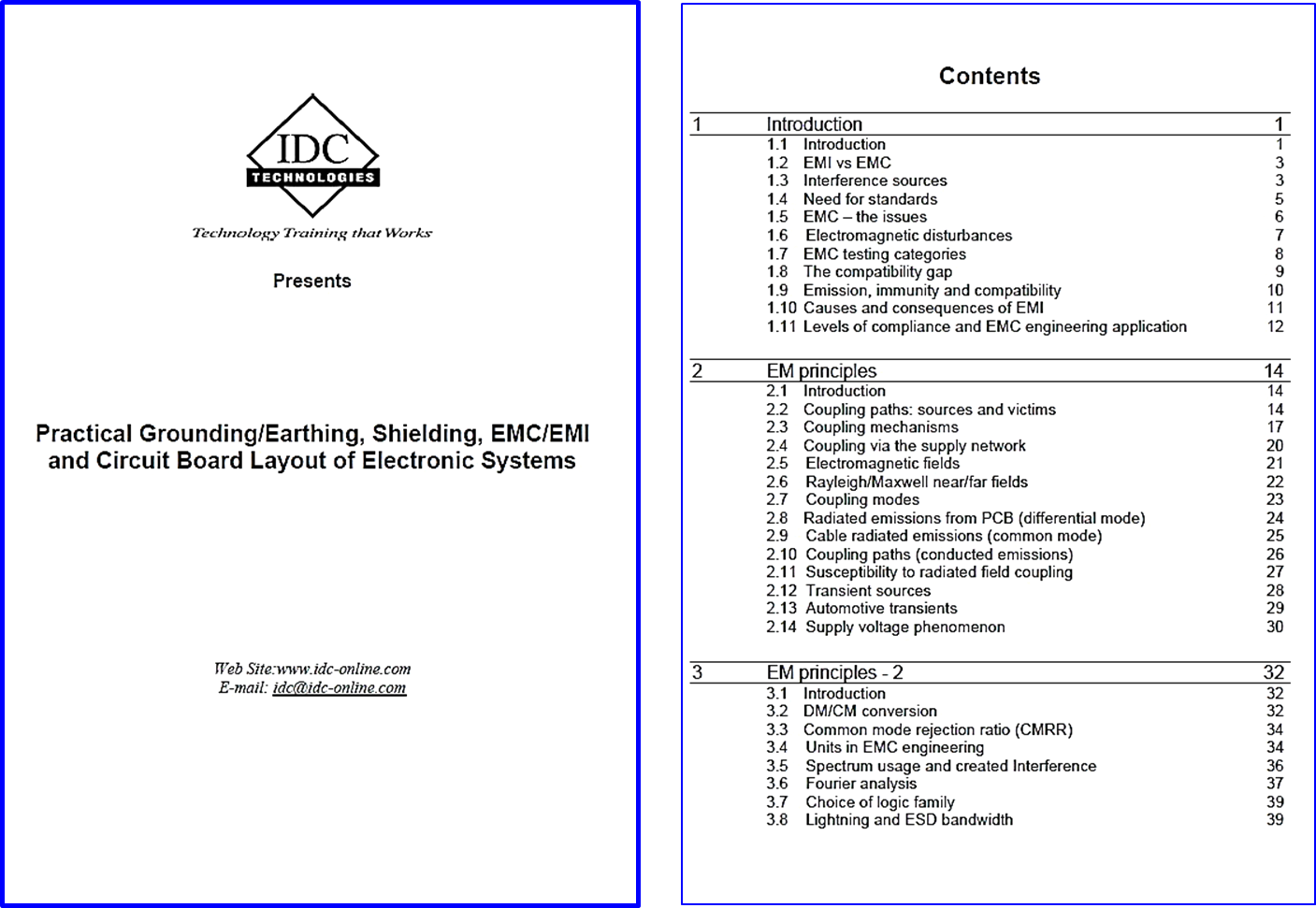
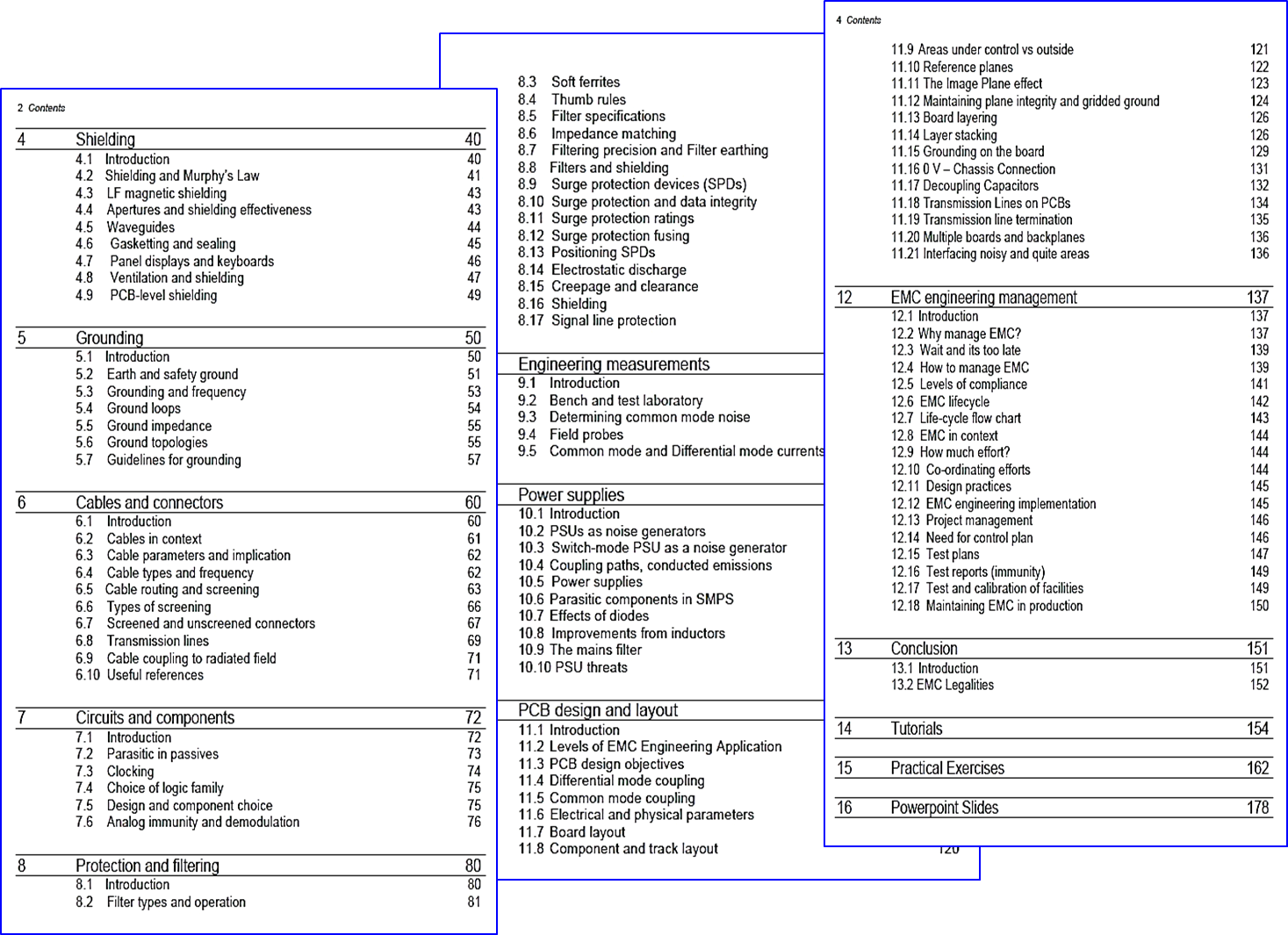
Figure-14: Practical Grounding/ Earthing, Shielding, EMC/ EMI and Circuit Board Layout of Electronic Systems (IDC Technologies book).
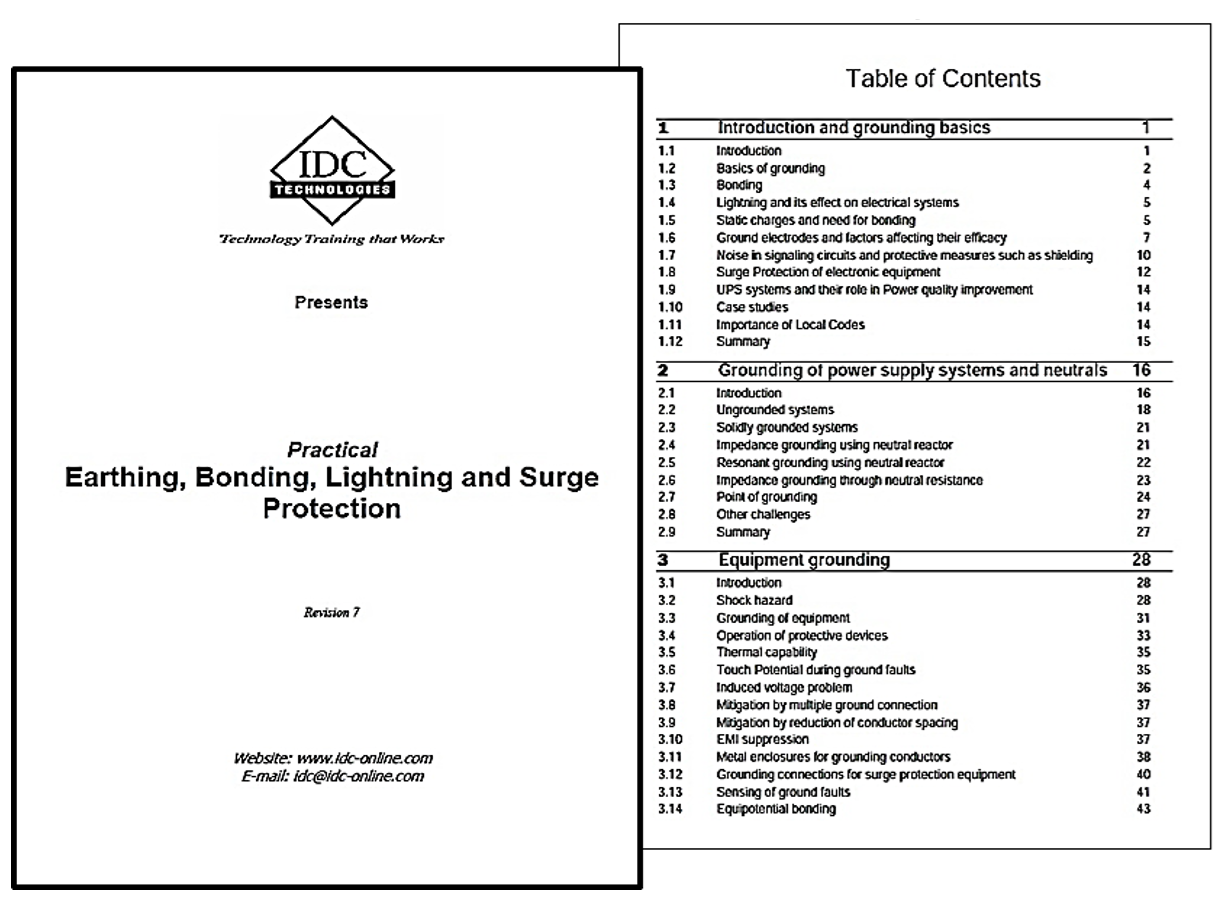
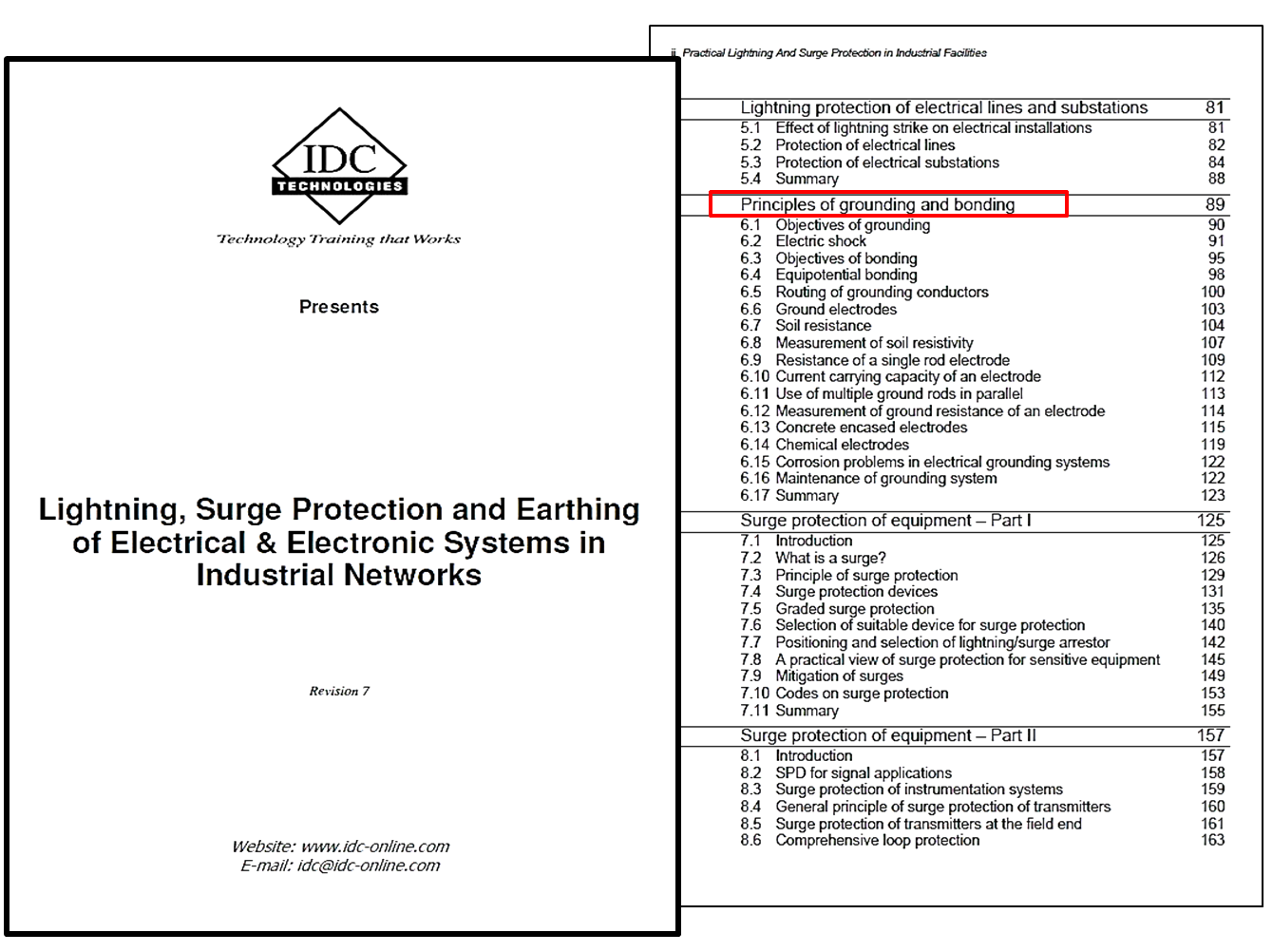
Figure-15: Two other reference books on Earthing from IDC Technologies.
Conclusion
As mentioned in the Energy Institute Code document, we can mainly summarize the Earthing requirements for industrial process industries as:
Earthing/grounding/bonding practices consist of interconnecting certain conductive parts of a system by engineered electrically conductive paths, primarily for the following personnel safety and asset protection purposes:
- To provide a path for power system fault currents to flow back to the source of supply, and to mitigate arc flash hazards.
- The elimination of electric shock hazards (touch and step voltages).
- To provide a path to dissipate lightning currents into the general mass of the Earth.
- The elimination of ignition hazards, whether related to Ex-certified apparatus or the prevention of the interruption of stray currents.
- The dissipation of electrostatic charges that could cause potentially incendiary sparking.
- To ensure the integrity of signal return paths, and to minimize electrical interference with such signals.
Earthing/grounding/bonding systems are important for electrical safety, lightning safety, and the control of sources of potential ignition. They contribute to the operability of process control systems and to the integrity of active safety functions; hence these systems make a vital contribution to continuity of operation and to ongoing asset integrity.
References:
- Some Earthing Aspects in Industrial Process Plants
- Override Safety Signals in Automation System
- Instrumentation Earthing
- Electrical MCC Signal Interface Termination