One of the most important subjects (especially for Electrical and I&C Engineering Teams) in all industrial process plants is related to the concept of Grounding or Earthing. There are many different definitions and understandings relevant to the Earthing subject that may be used or applied in such plants, and although most of them are common in concept (but differ in name or definitions), some of them may cause malfunctions or conflicts. Therefore, in this article, we have provided some Earthing Aspects in Industrial Plants in order to help the reader find clear information.
First, we try to clarify the concepts of Earthing, Grounding, and Bonding, and then we mention some references or aspects. At the end, we will mention some good references relevant to the article subject, which help the reader for any further detailed studies (some of the texts in this article are exact extractions of such references, which can help the reader gain a better sense).
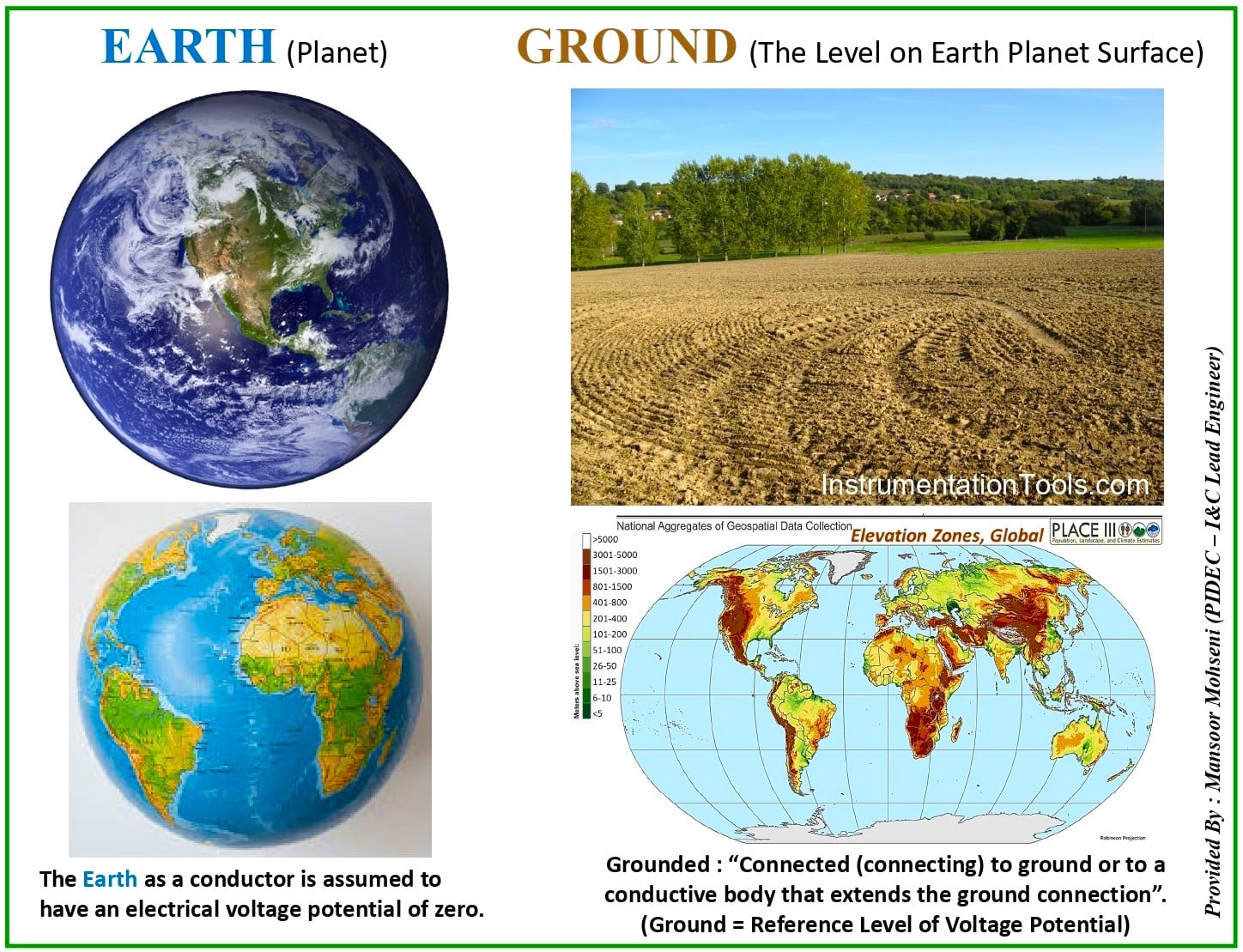
Figure-1: Earth and Ground Definition
Earthing or Grounding
One of the most misunderstood and confused concept is the difference between Bonding, grounding, and Earthing. Bonding is a clearer word compared to Grounding and Earthing, but there is a minor difference between Grounding and Earthing.
Earth is the name of our planet, while ground usually refers to the Earth’s surface; from an electrical point of view, we may say: (see Figure-1)
The Earth, as a conductor, is assumed to have an electrical voltage potential of zero, and Grounded means connected (connecting) to ground (Earth planet) or to a conductive body that extends the ground connection. On the other hand, Ground may be considered as the reference level of Voltage Potential.
Referring to Figure-1, we can find that the ground level for Electrical Circuits may be available at different heights of ground (surface level) compared to sea level at different points on Earth Planet!
However, Earthing and Grounding are actually different terms for expressing the same concept.
Ground or earth in a mains electrical wiring system is a conductor that provides a low-impedance path to the earth (or ground reference level) to prevent hazardous voltages from appearing on equipment.
Earthing is more commonly used in Britain, European, and most Commonwealth countries’ standards (IEC, IS), while Grounding is the word used in North American standards (NEC, IEEE, ANSI, UL).
Simply, the terms ‘earth’ as well as ‘ground’ have both been in general use to describe the common power/signal reference point interchangeably around the world in the Electro-technical terminology. While the USA and other North American countries favor the use of the term ‘ground’, European countries, including the UK and many other Eastern countries, prefer the term ‘earth’ (as per IS 3043-1987, vide Cl. 0.7, the terms ‘earthing’ and ‘grounding’ are synonymous).
Generally, we may say: “we have just one Earth planet while we have infinite (electric) connection ways to it as grounding or earthing “.
Notice that, as described later, for isolated or suspended electric systems due to the Earth planet (as an example, an airplane), we may consider instead a Master Grounding Bar (MGB) source as reference.
Earthing, Grounding, Bonding
We understand that Earthing and Grounding are necessary and have an idea how to do it, but we don’t have a crystal-clear concept for that. We need to understand that there are really two separate things we are doing for the same purpose that we call Grounding or Earthing, namely making homogeneity or equalizing the (voltage) levels by using conductor joints (bonding). Figure-2 (which is prepared based on a slide from PANDUIT: Telecommunications Bonding and Grounding – Commercial) shows such general different activities.
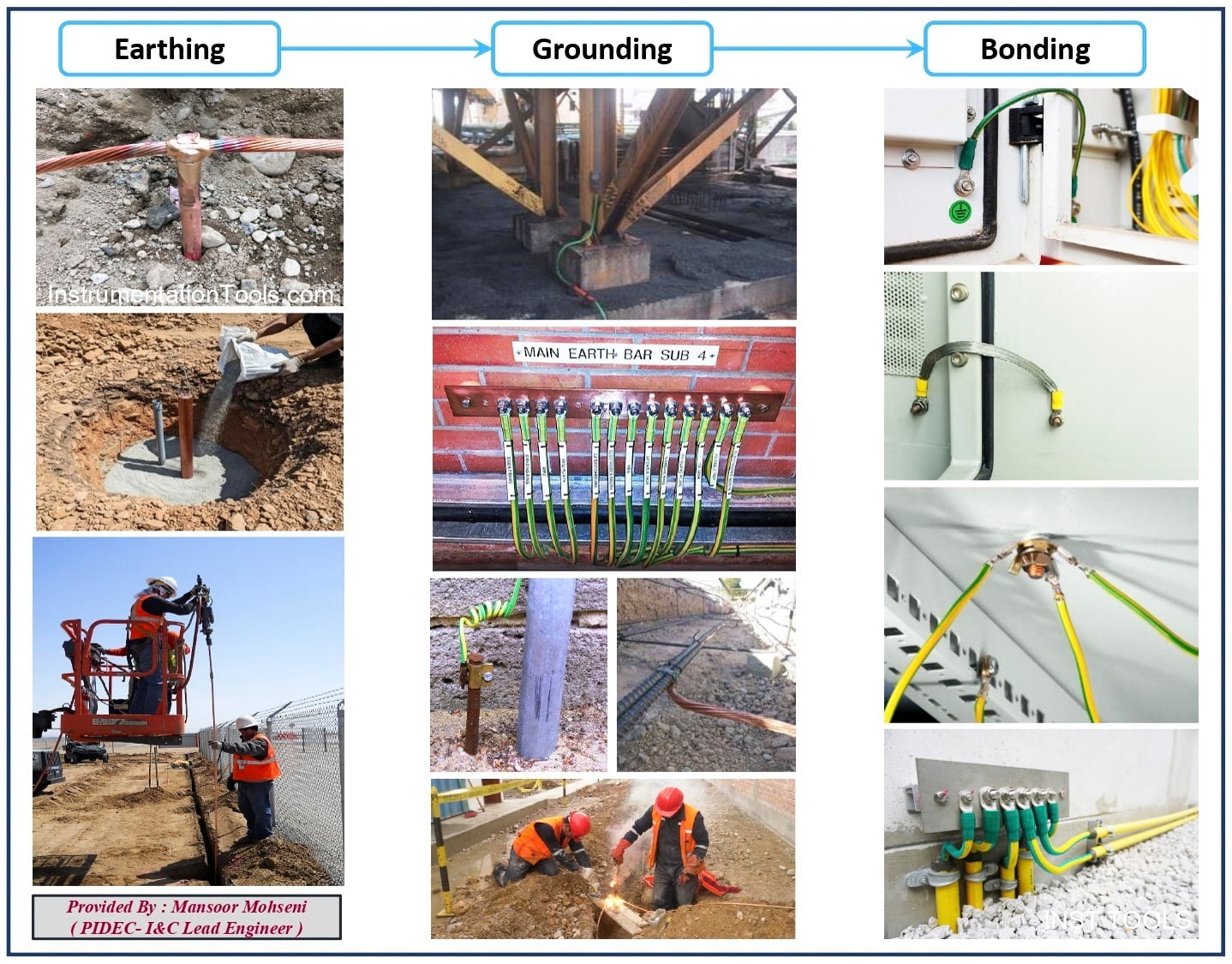
Figure-2: Infographic for the concepts: Earthing, Grounding, and Bonding.
As Figure-2 shows, we may generally suppose that earthing is to reference our electrical source to earth (usually via connection to some kind of rod driven into the earth or some other metal that has direct contact with the earth). Grounding is the direct connection of subject items (equipment) to Earth (source wells/ electrodes) by earth conductors. Finally, Bonding means ensuring the integrity of the grounding connection to all related items and making equal potential levels for them.
It should be mentioned that Figure-2 is just for simplification of the activities relevant to the same or equal Earthing and Grounding concepts, and so from now it is clear that we use these two words for the same concept interchangeably.
Bonding
“Bonding” is a method by which all electrically conductive materials and metallic surfaces of equipment and structures, not normally intended to be energized, are effectively interconnected together via a low-impedance conductive means and path in order to avoid any appreciable potential difference between any separate points.
The bonded interconnections of any specific electrically conductive materials, metallic surfaces of enclosures, electrical equipment, pipes, tubes, or structures via a low-impedance path are completely independent and unrelated to any intended contact or connection to the Earth.
For example, airplanes do not have any connection to the planet Earth when they are airborne. It is extremely important for the safety and welfare of passengers, crew, and aircraft that all metallic parts and structures of an airplane are effectively bonded together to avoid differences in potential between structures and parts when traveling at high rates of speed or when the frame of the aircraft is struck by lightning. Ships and offshore platforms are another similar example (grounding without direct connection to Earth Planet).
Background of Earthing Needs for Electronic Equipment
For exact reference to the background of Earthing Needs for Electronic Equipment, let us to read IEEE emerald book text (IEEE Recommended Practice for Powering and Grounding Electronic Equipment) as mentioned here:
“As electronic loads and Information Technology Equipment (ITE) proliferate in industrial and commercial power systems, so do problems related to power quality. Powering and grounding electronic equipment continues to be a growing concern for commercial and industrial power system designers. This concern frequently materializes after start-up, when electronic system operating problems begin to occur. Efforts to alleviate these problems have ranged from installing power conditioning equipment to applying special grounding techniques that are not found in conventional safe grounding practice. In some cases, this approach has led to unsafe practices and violations of the NEC, without solving operating problems. Many times, even after installing power conditioning devices, the protected equipment still fails or does not operate as expected during thunderstorms and power outages. In response to this situation, this recommended practice attempts to provide an understanding of the fundamentals of proper powering and grounding for facilities and electronic equipment, as well as examples of the various problems that can arise.
….
More recently, transient voltage disturbances associated with lightning and power system switching have emerged as a major concern to manufacturers and users of electronic equipment. The issue of grounding, and particularly how to deal with lightning protection, noise, and safety simultaneously, is complicated by conflicting philosophies advocated by people of different backgrounds. Power-oriented engineers and signal-oriented engineers often differ in their perception of the problem and potential solutions.
… The cost/benefit aspects of the problem can be addressed from a technical point of view in standards, but detailed economic analysis and specific decisions remain the prerogative of the user. Power system designers, utility companies, and manufacturers of electronic equipment need to cooperate with each other to find effective solutions to reduce the potential sources of interference, reduce the susceptibility of the load equipment, or apply power conditioning equipment.
As in the past, voluntary consensus standards are also needed. Focusing on the technical issues, dispelling misconceptions, and recommending sound practices can assist the user in making informed economic decisions. Two of the goals of the IEEE (Emerald) recommended practice are to promote a better understanding of the significant issues and to dispel misconceptions.
Fortunately, powering and grounding an electronic system is fundamentally the same as any electrical system. Estimating the load, matching current and voltage requirements, or planning for future growth involves the same basic information. Similarly, designing an appropriate electrical distribution system, selecting and coordinating overcurrent protection, and assuring voltage regulation makes use of the same engineering practices. Even the principles of grounding for safety can be applied to electronic loads in the same way as to any other load.
The IEEE Color Books® are an excellent reference library available for designing commercial and industrial power systems of all types. Each IEEE Color Book™ provides recommended practices in a specific subject area. The objective is to assist in the design of safe, reliable, and economical electric power systems by providing the consensus of knowledge and experience of the contributing IEEE members.
(Some of these color books related to our subject are 🙂
The IEEE Emerald Book™ is directed specifically at powering and grounding electronic equipment.
IEEE Recommended Practice for Electric Power Distribution for Industrial Plants (IEEE Red Book)
IEEE Recommended Practice for Grounding of Industrial and Commercial Power Systems (IEEE Green Book)
References for Earthing/ Grounding
The main references for Earthing/ Grounding are IEEE Books, NEC Codes, and IEC clarification definitions and standards (as described summarily below).
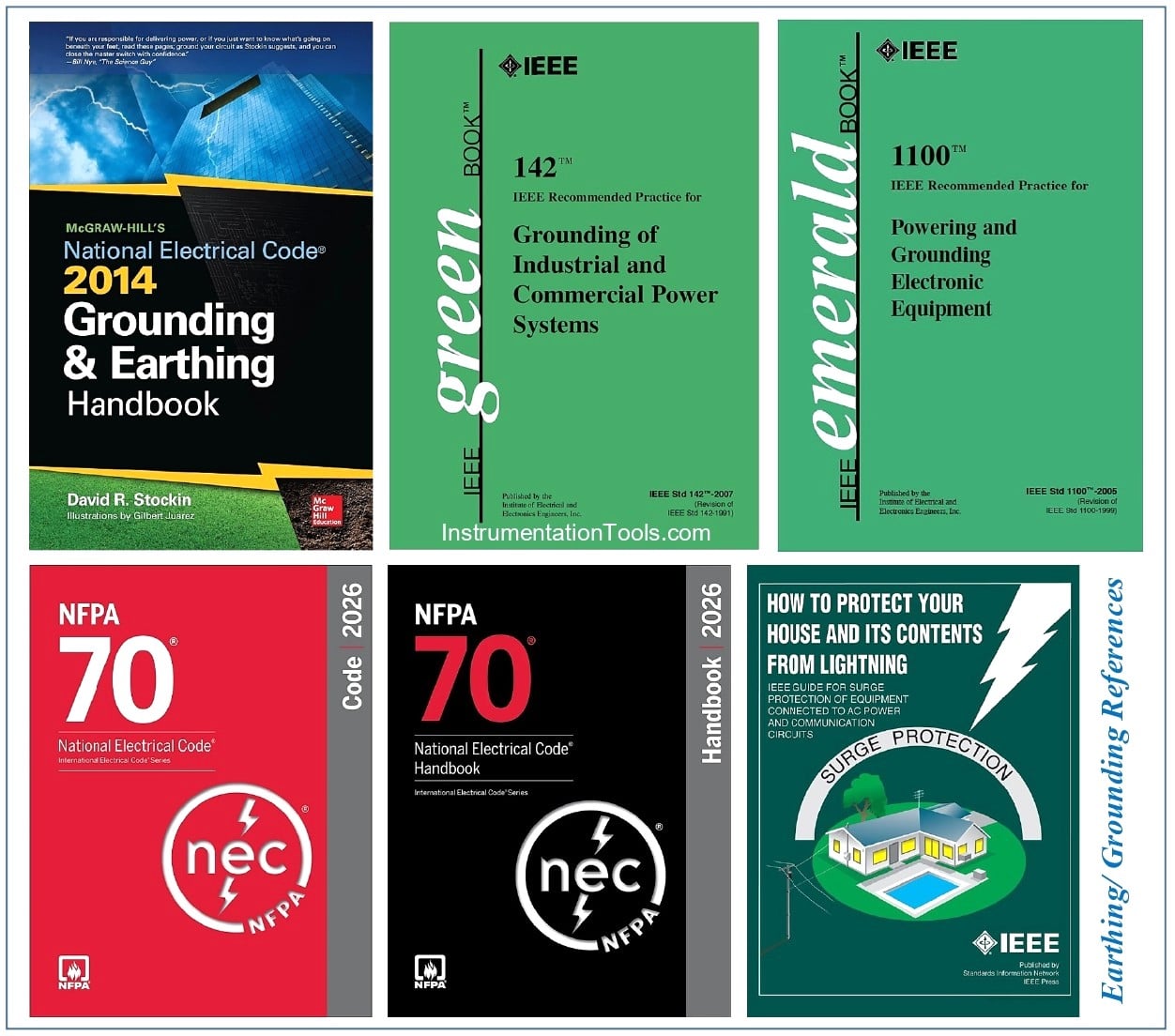
Figure-3: The references for the concepts: Earthing, Grounding, and Bonding.
IEEE Green Book: (IEEE Std 142-2007 — Recommended Practice For Grounding Of Industrial And Commercial Power Systems)
“The IEEE Green Book reviews practices and methods of system grounding in detail. A thorough investigation of grounding problems and the methods for solving these problems is presented. In presenting these problems and solutions to electrical engineers worldwide, the IEEE Green Book provides a basic framework for applying fundamental principles to specific work situations and applications.
The IEEE Green Book addresses many different aspects of grounding. The problems of system grounding, which include connection to ground of the neutral, of the corner of the delta, or of the midtap of one phase, are covered. The advantages and disadvantages of grounded versus ungrounded systems are discussed. Information is given on how to ground the system, where the system should be grounded, and how to select equipment for the grounding of neutral circuits. Methods for connecting the frames and enclosures of electrical equipment to the ground system are addressed. The fundamentals of making the interconnection between the electrical equipment and ground rods, water pipes, etc. are outlined. Even problems relating to static electricity and lightning, as well as sensitive electronic equipment, are covered in the IEEE Green Book.”
IEEE Emerald Book: (IEEE Recommended Practice for Powering and Grounding Electronic Equipment 1100-2005)
“The IEEE Emerald Book presents a collection of consensus best practices for the powering and grounding of electronic equipment used in commercial and industrial applications. The main objective is to provide consensus recommended practices in an area where conflicting information and conflicting design philosophies have dominated. The recommended practices described are intended to enhance equipment performance while maintaining a safe installation. A description of the nature and origin of power disturbances is provided, followed by theory on the various parameters that impact power quality. Information on quantifying and resolving power- and grounding-related concerns using measurement and diagnostic instrumentation and standardized investigative procedures is included. Recommended power protection equipment and wiring and grounding system design practices are presented. Information on telecommunications system power protection as well as grounding, industrial system grounding, and noise control is included. Finally, a selection of case studies is presented to support the recommended practices presented throughout the book.
This document presents recommended design, installation, and maintenance practices for electrical power and grounding (including both safety and noise control) and protection of electronic loads such as industrial controllers, computers, and other information technology equipment (ITE) used in commercial and industrial applications.”
McGraw-Hill’s National Electrical Code 2014 Grounding and Earthing Handbook
fully addresses above-grade grounding of electrical systems, as well as below-grade “earthing” grounding requirements, and gives readers comprehensive information regarding Article 250 of the 2014 National Electrical Code. While other technical books are often boring and full of technical jargon, Mr. Stockin has incorporated extensive easy-to-understand illustrations with descriptions to give readers a clear understanding of Code requirements and just what it takes to meet these requirements. “David Stockin’s book develops a clear understanding of Code requirements through extensive use of illustrations and clear text,” says David Brender, P.E. and principal member of Panel 5 of the National Electrical Code.
Included in the book are many real-world practical examples that provide a better understanding of grounding requirements, the different types of grounding methods available, grounding system design, the importance of soil resistivity testing, and much more. Mr. Stockin has also included an entire chapter for the most commonly asked electrical grounding questions and answers, which provide readers with practical knowledge they can apply to their own electrical grounding projects. “If you are responsible for delivering power, or if you just want to know what’s going on beneath your feet, read these pages; ground your circuit as Mr. Stockin suggests, and you can close the master switch with confidence,” says Bill Nye, “The Science Guy”, America’s popular TV science educator.
NFPA 70 Purpose and Scope
NFPA 70 is the National Electrical Code (NEC).
The NEC® has a specific purpose and scope. It is critical to understand the purpose and scope of an NFPA publication in order to know if the publication even applies to the system being installed.
The purpose of the NEC® has always been to protect people and property from hazards of using electricity. One thing the NEC® was never intended for is to be an all-encompassing instruction manual or “how-to” book for those new to the trade.
The NEC® does NOT provide instruction on how to bend conduit, calculate the ampacity on the secondary side of a transformer, or determine the available fault current at an electric service. Principles such as basic electrical theory, solving series and parallel circuits, and determining amps when watts and voltage are known are all concepts learned in the process of transitioning from an electrical apprentice to a true electrician.
Below is a sample of the NEC®. See the actual NEC® text at NFPA.ORG for the complete code section. Once there, click on their link for free access to the latest NEC® edition of NFPA 70.
90.1 Purpose:
90.1(A) Practical Safeguarding. The purpose of this Code is the practical safeguarding of persons and property from hazards arising from the use of electricity. This Code is not intended as a design specification or an instruction manual for untrained persons.
90.2 Scope:
(A) Covered. This Code covers the installation and removal of electrical conductors, equipment, and raceways; signaling and communications conductors, equipment, and raceways; and optical fiber cables and raceways for the following:
(1) Public and private premises, including buildings, structures, mobile homes, recreational vehicles, and floating buildings
(2) Yards, lots, parking lots, carnivals, and industrial substations
(3) Installations of conductors and equipment that connect to the supply of electricity
(4) Installations used by the electric utility, such as office buildings, warehouses, garages, machine shops, and recreational buildings, that are not an integral part of a generating plant, substation, or control center
NFPA 70®, National Electrical Code® (NEC®), is the authoritative document addressing electrical installations in residential, commercial, and industrial settings. The NEC is revised every three years to stay in sync with industry practices, emerging trends, and the development and introduction of technologies to provide comprehensive rules for designers, installers, inspectors, engineers, electricians, and anyone else who works in the electrical industry. The code is organized for ease of use.
Code of Practice just for Electrical Earth!
When we need to know about the Electrical Earth Requirements, we may use the codes below:
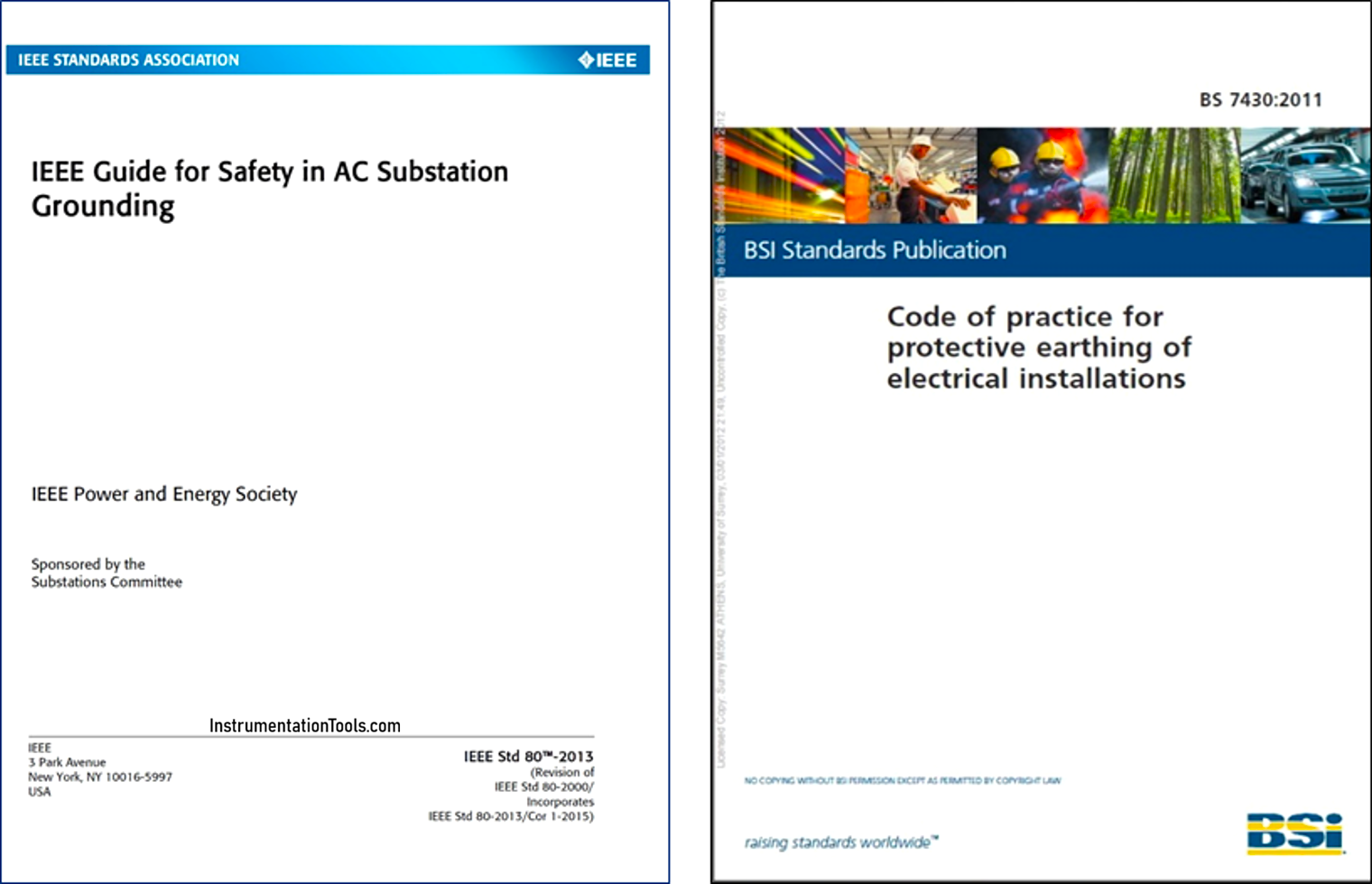
Figure-4: Examples of the Code of Practice just for Electrical Earth.
Earth / Ground Symbol Indication
There are many different symbols which are used to show Earth or Ground and its various types. So, generally, for finding the exact meaning of a used symbol, you should refer to the document legend section, but by different standards and reference societies, some classified symbols are defined for use, as shown in Figures 5,6, and 7.
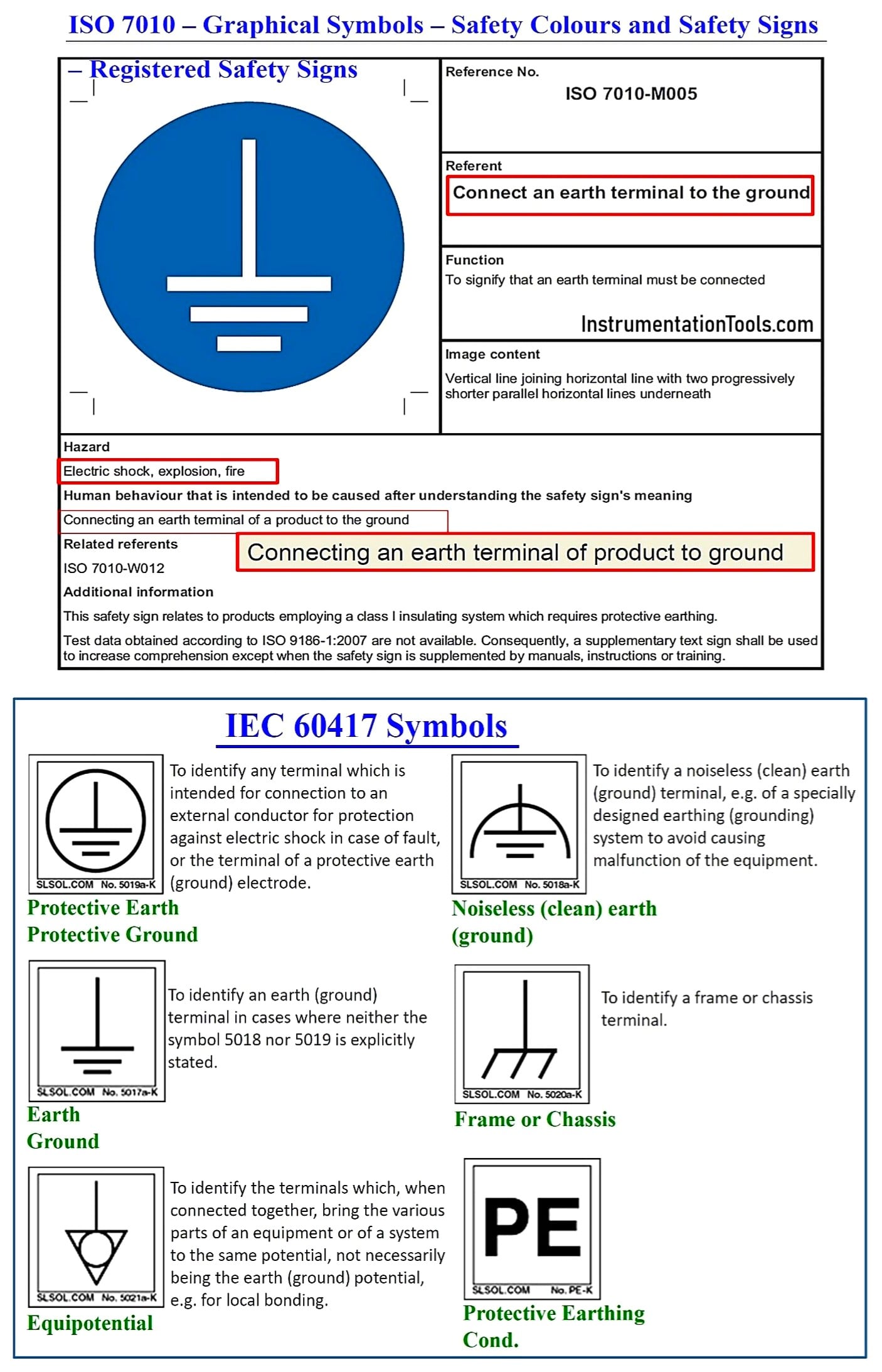
Figure-5: ISO and IEC Reference Symbols for (Electrical) Earth.
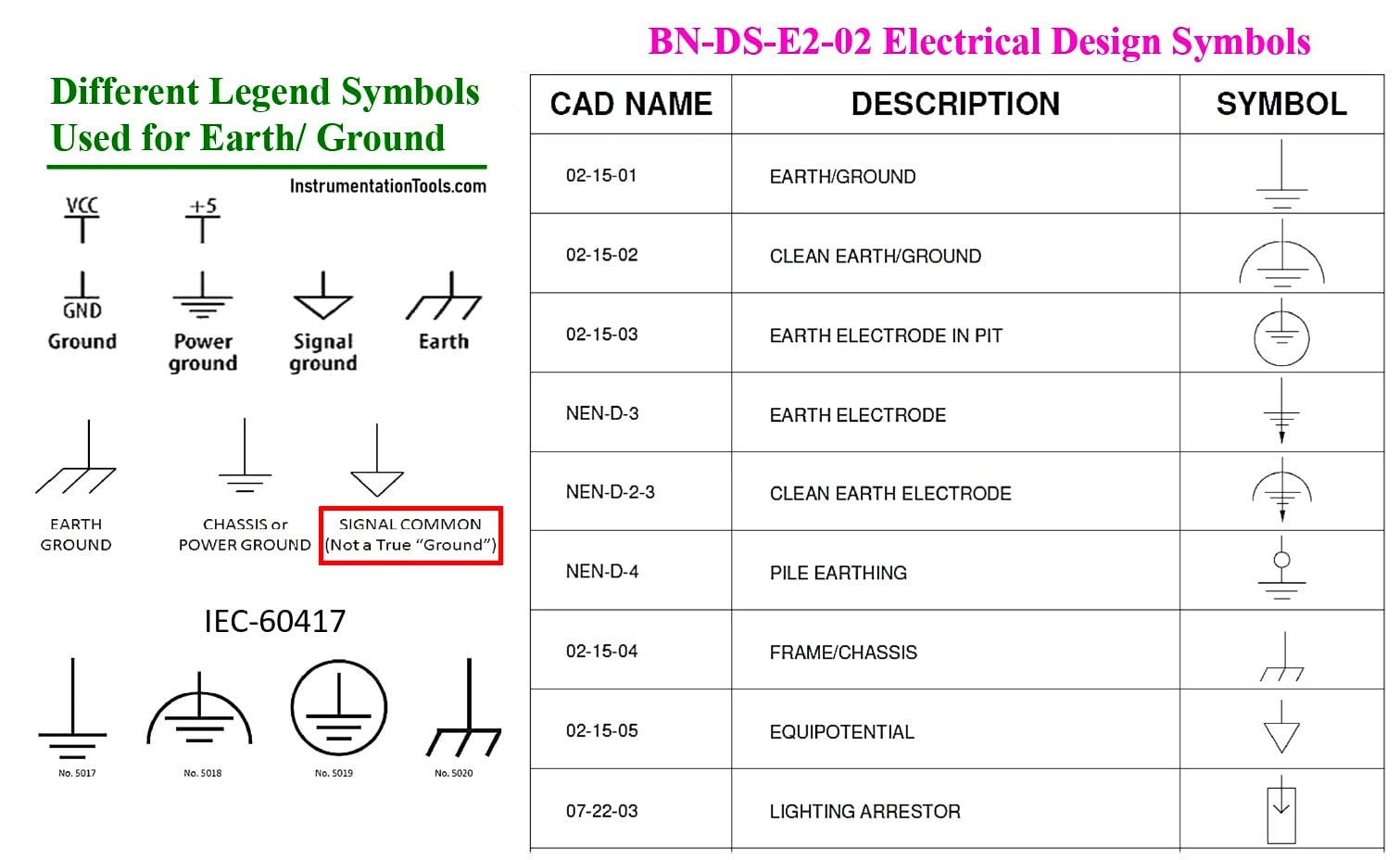
Figure-6: Other different standard symbols for (Electrical) Earth.
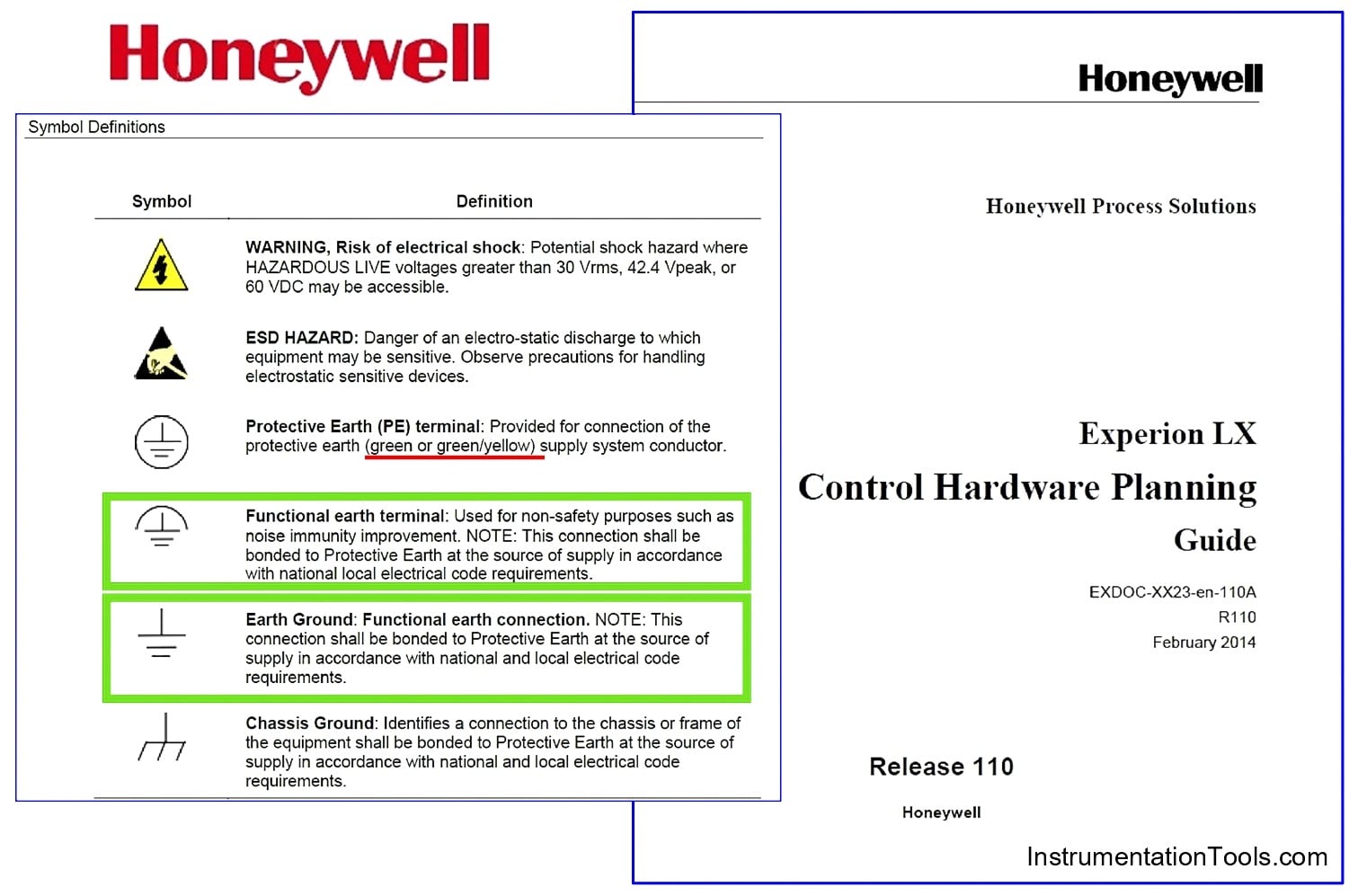
Figure-7: Example of (Electrical) Earth symbol definitions in vendor documents (HONEYWELL).
Exact Definitions of Earth and Ground Related Items
As per generally accepted standards, the exact definitions/ descriptions of Earth/ Ground Related items may be found in some of the different standards/ documents of IEC, as shown in Figure-8.
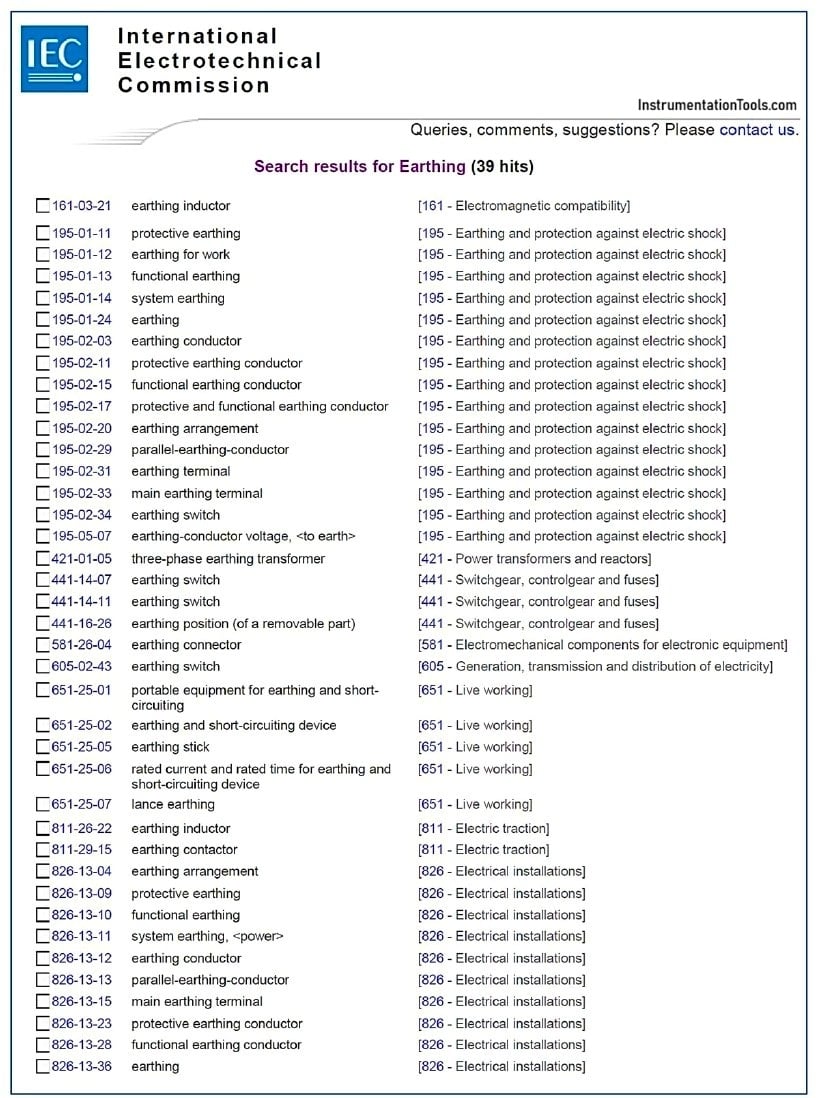
Figure-8: Search Results for Earthing in IEC Documents.
As can be seen from Figure-8, different sections of Part 195 of IEC 60050 were prepared to define related items to Earthing and Protections against Electric Shock. Figures 9, 10, and 11 show some details of such definitions.
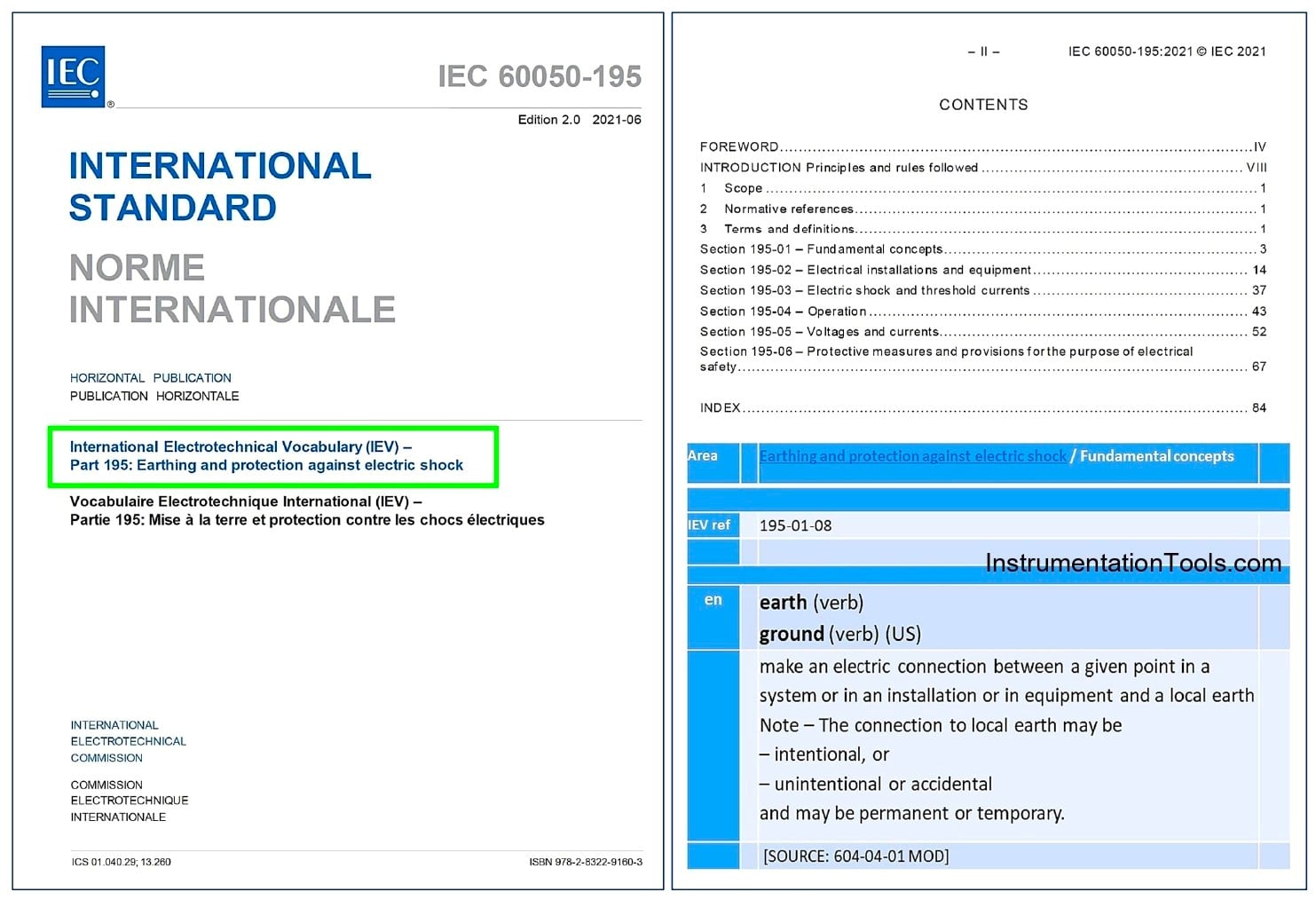
Figure 9: The main Standard Reference for Earthing (IEC 60050-195).
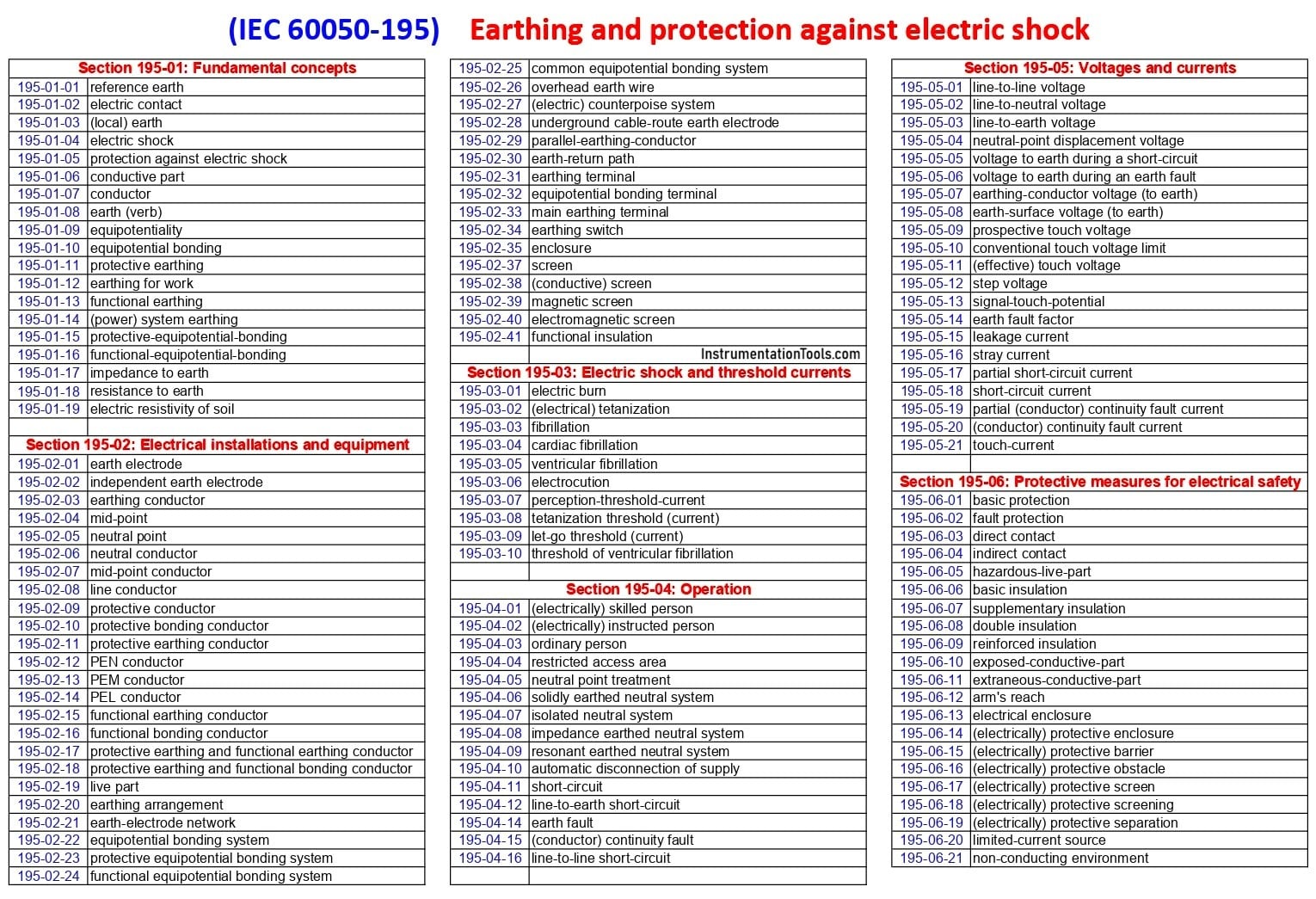
Figure-10: Exact Reference Table for different Earthing concept items.
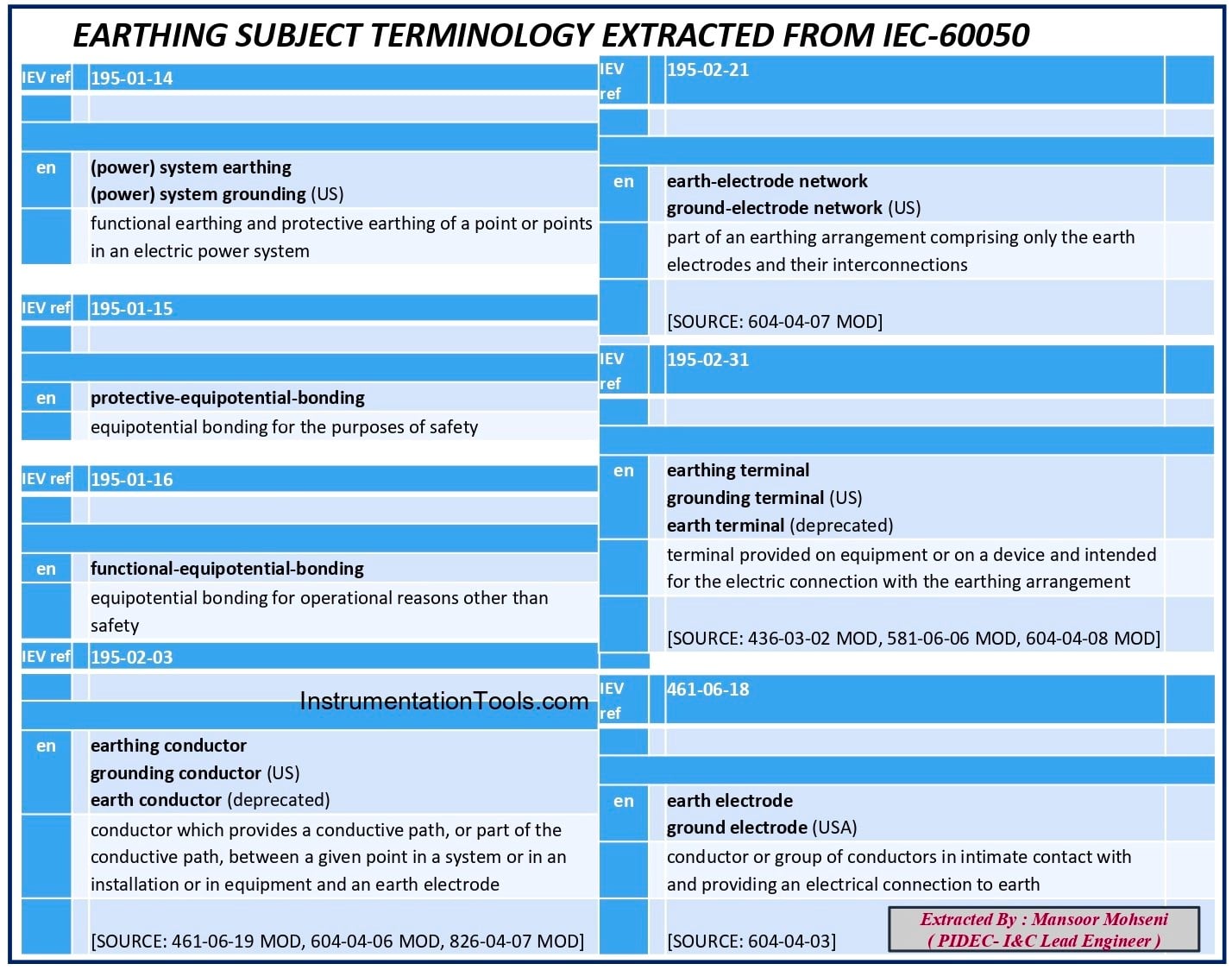
Figure 11: Some exact IEC 60050 terminology for earthing concept-relevant items.
Some Good Study References for Earthing & Grounding
- Proper Grounding of Instrument and Control Systems in Hazardous Locations (Joe Zullo, Regional Sales Manager: MTL Americas)
- Grounding Requirements for Machinery Instrumentation and Noise Case Studies (GE Oil & Gas Application Note GEA-32304)
- The Differences Between and Purposes for Bonding, Grounding, and Earthing in North American Power Distribution Systems (S. Frank Waterer – EE, Fellow – Schneider Electric Engineering Services, LLC)
- Best EMC Installation Practice for Variable Speed Drives – Understanding the Main Differences and Goals Between Earthing and Bonding (Eduardo Gie, Technical Manager, Danfoss Pacific – Power Electronics)
- Lightning and Surge Protection, Grounding, Bonding and Shielding Requirements for Facilities and Electronic Equipment (Department of Transportation Federal Aviation Administration Standard, FAA-STD-019e)
- Performance Grounding and Wiring For Sensitive Equipment (Pacific Gas and Electric Company)
- Grounding and the Use of the Signal Reference Grid in Data Centers (Neil Rasmussen, Schneider Electric, Whitepaper 87)
- Recommended Practice for Wiring Methods for Hazardous (Classified) Locations Instrumentation Part 1: Intrinsic Safety (ANSI/ISA-RP12.06.01-2003)
- Proper Grounding, Bonding, Lightning & Surge Protection (Presentation By: Jeff Regan –Telecom Market Manager, ERICO INTERNATIONAL CORPORATION)
- Practical Grounding/Earthing, Shielding, EMC/EMI and Circuit Board Layout of Electronic Systems (IDC Technologies Book)
Conclusion
Earthing and Grounding are two representations of one common concept of connection to Earth (planet) via suitable hardware and wires, while Bonding is the action of making two metallic parts have the same (ground) potentials by means of a low-resistance connection (wire). As per IEC standards, both Earth and Ground are accepted for the same concept (see Figures 9,10, and 11 for more detail).
References:
- Earthing Requirements in Industrial Process Plants
- Good Earthing Practice in Automation Industries
- Instrumentation Earthing
- Motor Control Center Signal Interface Termination