Intermittent PLC communication problems are difficult to deal with because they are not stable and do not follow a clear pattern. They happen randomly and often depend on what is running at the moment. Everything could be working normally when the device suddenly drops out and reconnects again without any useful trace in the logs or alarms.
Engineers check to see that the PLC program continues to run correctly and the network configuration appears unchanged, yet communication still drops.
Most of the time, there is no clear indication of what actually failed; nothing is visible in standard diagnostics. When this happens, it is very likely that the problem is not related to logic or configuration but exists at the physical layer. The signal quality may be affected by conditions like electromagnetic disturbance or unstable transmission environments that cannot be seen directly using typical PLC tools.
Software-Defined Radio (SDR) is useful in this case because it lets you observe the RF environment in the same way you can use a spectrum analyzer to visualize signal behavior.
Why do communication issues feel like the hardest part of PLC troubleshooting?
PLC troubleshooting is usually more straightforward when the problem presents itself consistently because you can follow the sequence of events and narrow down the cause step by step. Communication issues are more difficult to solve since they appear and disappear without an obvious pattern.
A device may disconnect briefly and then return to normal operation, after which the system can continue running for hours before the same issue appears again, which makes it difficult to capture the exact moment when the failure occurs or what causes it.
This is why PLC troubleshooting for communication faults often takes more time. You are not working with a stable failure condition but instead trying to diagnose something that changes depending on the environment.
Another difficulty is that most diagnostic tools only show the result of the failure rather than the cause, so even if you detect packet loss or timeout events, you still do not know what created the conditions that led to those errors.
In many plants, the underlying reason is related to electromagnetic interference or noise at the physical layer, and since this activity does not appear in PLC logic or configuration, it remains hidden unless you use a tool that can measure it directly.
Because of this, troubleshooting often turns into trial and error, where changes are made without clear confirmation of the root cause (you are acting based on assumptions instead of actual measurements).
SDR helps reduce this uncertainty because you can observe the environment directly and relate what you see to what is happening in the system.
What are the primary causes of communication problems in a plant?
The four primary causes of PLC communication problems are:
(1) physical media degradation,
(2) electromagnetic interference from high-voltage equipment,
(3) IP address conflicts, and
(4) congested wireless spectrums.
These causes often look the same from the PLC side because what you usually see is only a communication drop or delay, while the real cause may be completely different depending on what is happening around the system.
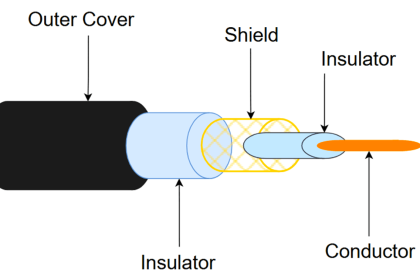
Physical media degradation happens over time when cables or connectors are exposed to mechanical stress or environmental conditions (for example, cables routed near moving equipment can slowly loosen or connectors in humid areas start to corrode). Signal integrity is affected, and intermittent failures become more frequent.
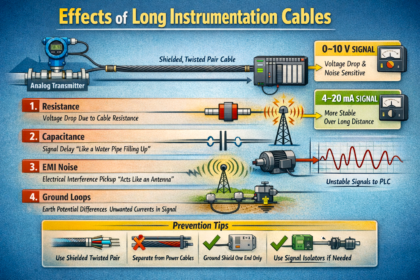
Electromagnetic interference is introduced by equipment such as motors or drives (when a nearby VFD starts or when welding is happening close to cable trays), since both can inject noise into communication lines and disturb signals even if the wiring itself is intact.
In some plants, static buildup can also play a role. For example, conveyor belts running dry materials can accumulate charge and discharge intermittently, which creates noise spikes that are not easy to detect using standard diagnostics.
IP address conflicts are due to incorrect network configuration that allows two devices to use the same address, which leads to an intermittent drop-and-connect behavior in devices even when the physical connections are intact.
Wireless congestion becomes a problem when multiple systems operate in the same frequency range, especially when IT and OT devices share the same space. This setup reduces signal reliability because transmissions overlap and interfere with each other.
These conditions are part of PLC fault-finding, but not all of them can be verified using standard PLC tools.
How do VFDs and EMI create invisible network blockages?
Variable Frequency Drives (VFDs) generate electromagnetic noise during normal operation, especially during startup or speed changes, and this noise can spread across a wide frequency range that overlaps with communication signals.
When this happens, the communication signal may become unreliable because the noise interferes with signal transmission, even though the PLC system itself is operating correctly.
From the PLC perspective, this condition usually appears as a timeout or communication loss, since the system cannot distinguish between a configuration problem and a physical signal disturbance.
For example, a wireless sensor may lose connection each time a nearby motor starts, not because of a fault in the program or network setup, but because the signal path is disrupted at the physical layer.
This type of issue is difficult to diagnose because the cause does not appear in ladder logic or standard diagnostics, which leads to confusion when all visible parameters seem correct.
How do I know when to use Wireshark versus a Software-Defined Radio (SDR)?
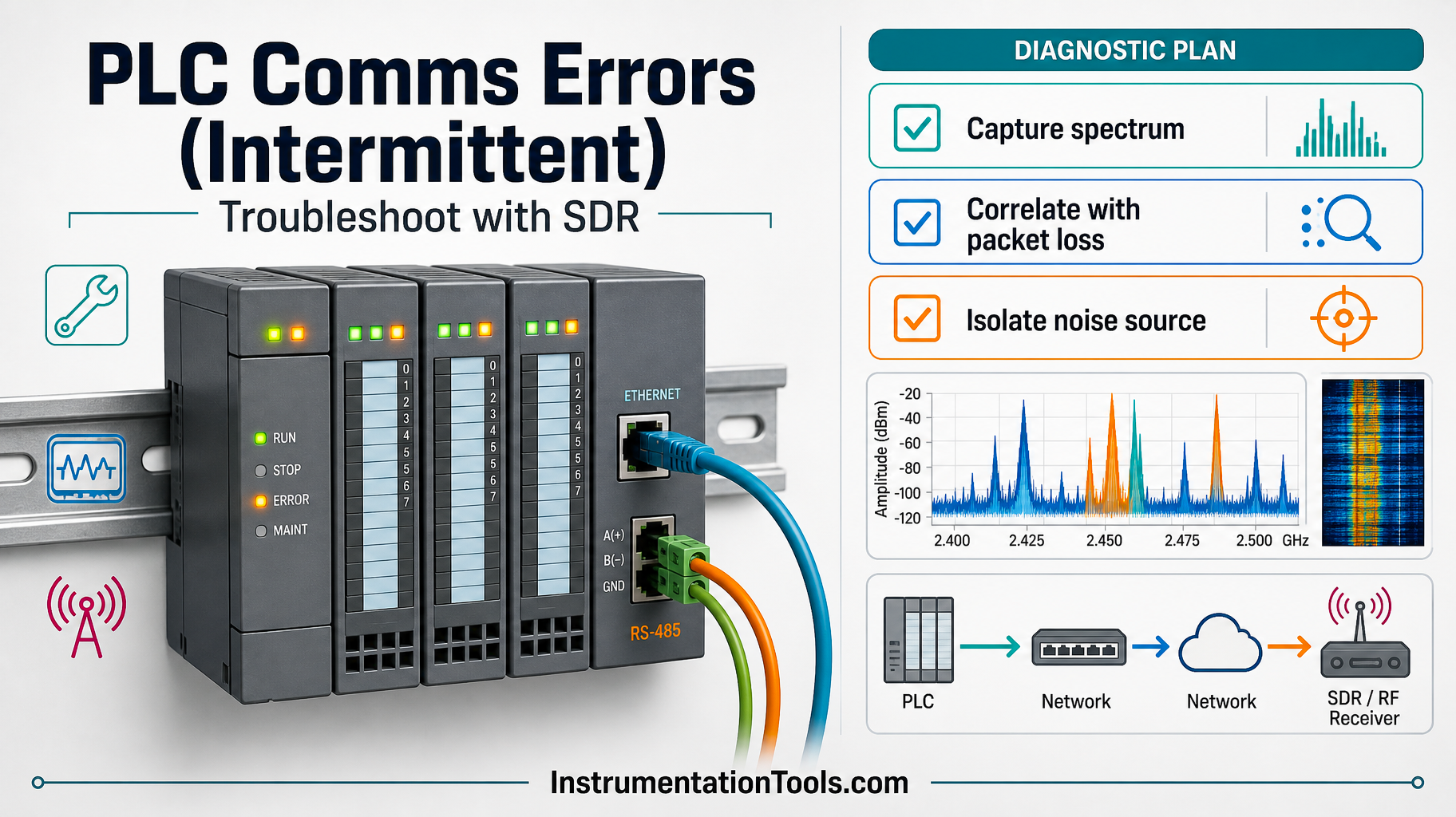
Wireshark and SDR are used for different types of analysis, and understanding this difference helps in selecting the correct tool during troubleshooting.
Wireshark operates at higher communication layers, where it captures and analyzes packets, which makes it suitable for identifying protocol issues or timing problems within the network.
SDR, on the other hand, operates at the physical layer, where it measures signal presence and noise levels, which makes it suitable for identifying interference or signal degradation.
If Wireshark shows retransmissions or dropped packets but no configuration issue can be identified, then the problem may be related to physical signal conditions rather than network setup.
In this situation, SDR provides additional visibility by allowing you to observe whether interference or noise is affecting communication.
How can I use Software-Defined Radio (SDR) for rapid PLC fault finding?
SDR should be treated as a diagnostic measurement tool that allows you to observe the frequency range where communication devices operate, so you can see how the environment changes when equipment is running.
This is important in PLC fault finding because many faults occur only when certain equipment is active, which means the condition cannot be detected unless you monitor the system during those events.
By observing the noise level while equipment is operating, you can identify whether there is a correlation between machine activity and communication failure, which helps narrow down the root cause.
FPGA-based SDR systems are particularly useful in industrial environments because they can capture fast transient events that may not be detected by lower-performance devices. This is crucial when interference occurs in short bursts.
Another useful approach is to observe recurring signal patterns, since certain types of faults generate characteristic noise signatures that can be recognized before a complete failure occurs.
What is the 5-step process to detect IIoT interference with SDR?
- Connect SDR hardware to the laptop.
- Tune to the frequency used by your device.
- Observe and record baseline noise.
- Start suspected equipment such as a VFD.
- Check if noise spikes match communication failure.
This process provides a structured way to observe conditions that are otherwise not visible through standard tools.
What should my daily PLC maintenance checklist include?
PLC maintenance should include both logical checks and physical layer verification because communication reliability depends on more than just the program and configuration.
A simple checklist that you can follow in the field looks like this:
- Check PLC diagnostics and logs for communication faults or timeouts, and note if the issue is repeating at a specific time.
- Inspect physical connections, including terminals, patch cables, and grounding, especially near moving equipment or high-vibration areas.
- Verify network configuration and make sure there are no IP address conflicts or duplicate devices on the network.
- Run packet capture using Wireshark if needed, and check for retries, dropped packets, or abnormal traffic patterns.
- Walk the area and identify any recent changes, such as new equipment, welding work, or temporary setups that may introduce interference.
- Perform an RF scan using an SDR around affected devices and compare noise levels when the system is stable versus when the issue appears.
- Correlate events, for example, check if communication drops when a motor starts, a conveyor runs, or any large load switches.
Pro Tip: It is useful to record the RF baseline when the system is operating normally because this provides a reference point that can be used later to identify abnormal conditions when a fault occurs.
Regular PLC maintenance becomes more effective when the RF environment is also considered, especially in systems where wireless communication is used.
When is the right time to invest in SDR hardware?
If troubleshooting frequently ends without identifying a clear cause, or if faults disappear before they can be measured, then additional diagnostic capability becomes necessary.
Intermittent communication problems take time to investigate, and even a small amount of downtime can justify the cost of tools that provide better visibility into what is happening in the system.
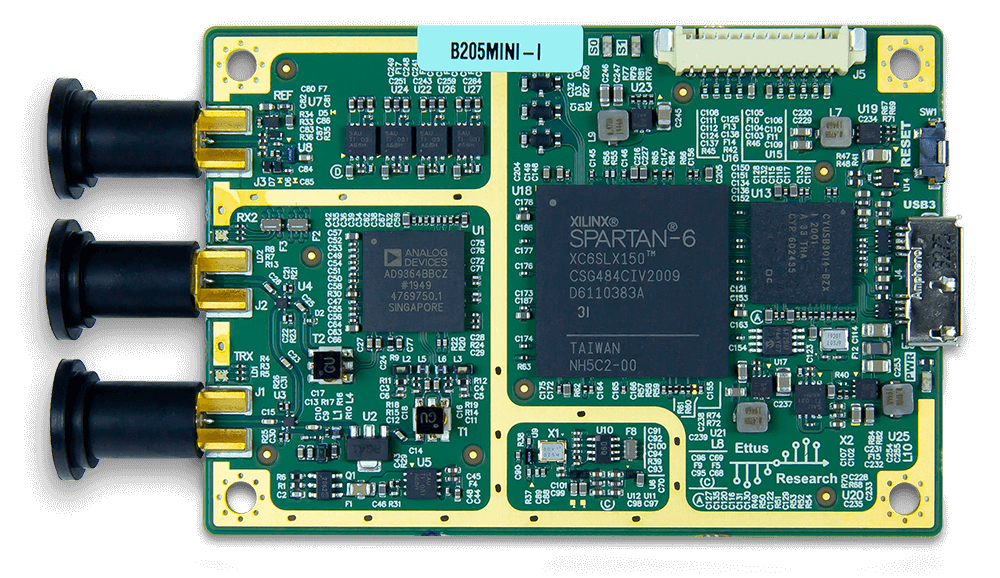
For engineers who need to analyze physical layer conditions in more detail, software-defined radio hardware can capture transient noise events that are not visible using standard diagnostic methods. FPGA-based systems, for example, can detect fast signal disturbances that may otherwise go unnoticed, which allows you to confirm whether interference is present instead of assuming it.
Companies like Digilent provide FPGA-based software-defined radio hardware as flexible engineering platforms that are used for signal capture and analysis in this type of environment, where they are typically configured and integrated into custom diagnostic setups to capture transient noise events that are difficult to see with standard tools.
Using SDR changes the approach from guessing to measuring, since you can directly observe the conditions affecting communication and relate them to system behavior.