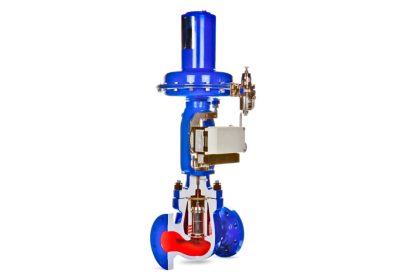
A control valve is used to regulate the flow of media through it in an accurate and precise manner. It is variable in nature, due to which only the required amount of flow will pass through it. Many times, it is possible that a control valve is not functioning or remaining in an idle position. In that case, we may think it will not cause any jerk in the system. But this is not the case. Even an idle control valve can cause jerking in the system. In this post, we will see how this concept works.
Why can the control valve be idle?
A control valve can be idle first of all due to the following conditions:
- If the control valve is not being operated for a long period of time, it can result in the buildup of corrosion, dirt, dust, and deposits, and thus cause a lack of lubrication. Due to this, it will either not move properly or, when moved, will not correspond to the required position command (meaning, it will require a higher force to move).
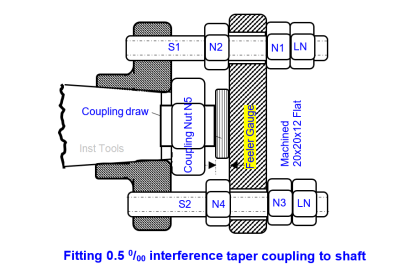
- Worn-out couplings between the actuator and stem mean the actuator moves, but the valve doesn’t respond immediately. This is a primary mechanical failure reason for the valve being idle.
- If its electrical ports are damaged or not able to read control command signals properly, then too the valve will remain idle.
- Faulty positioner electronics or a blocked feedback mechanism cause it to stop driving the actuator.
- If the command given is fully open or closed and the valve is responding, but there is no change in the process variable. Due to this, the valve will remain in that state, as it has already been given the minimum or maximum limit to move.
- If the loop (control like PID) is accidentally left in manual, the valve position remains fixed until the operator changes it.
- Sometimes, the valve seems idle if it is oversized. That means for a small control command, the valve will give a larger flow. To our naked eyes, it seems it is not moving, but practically, the media flow varies in a larger way.
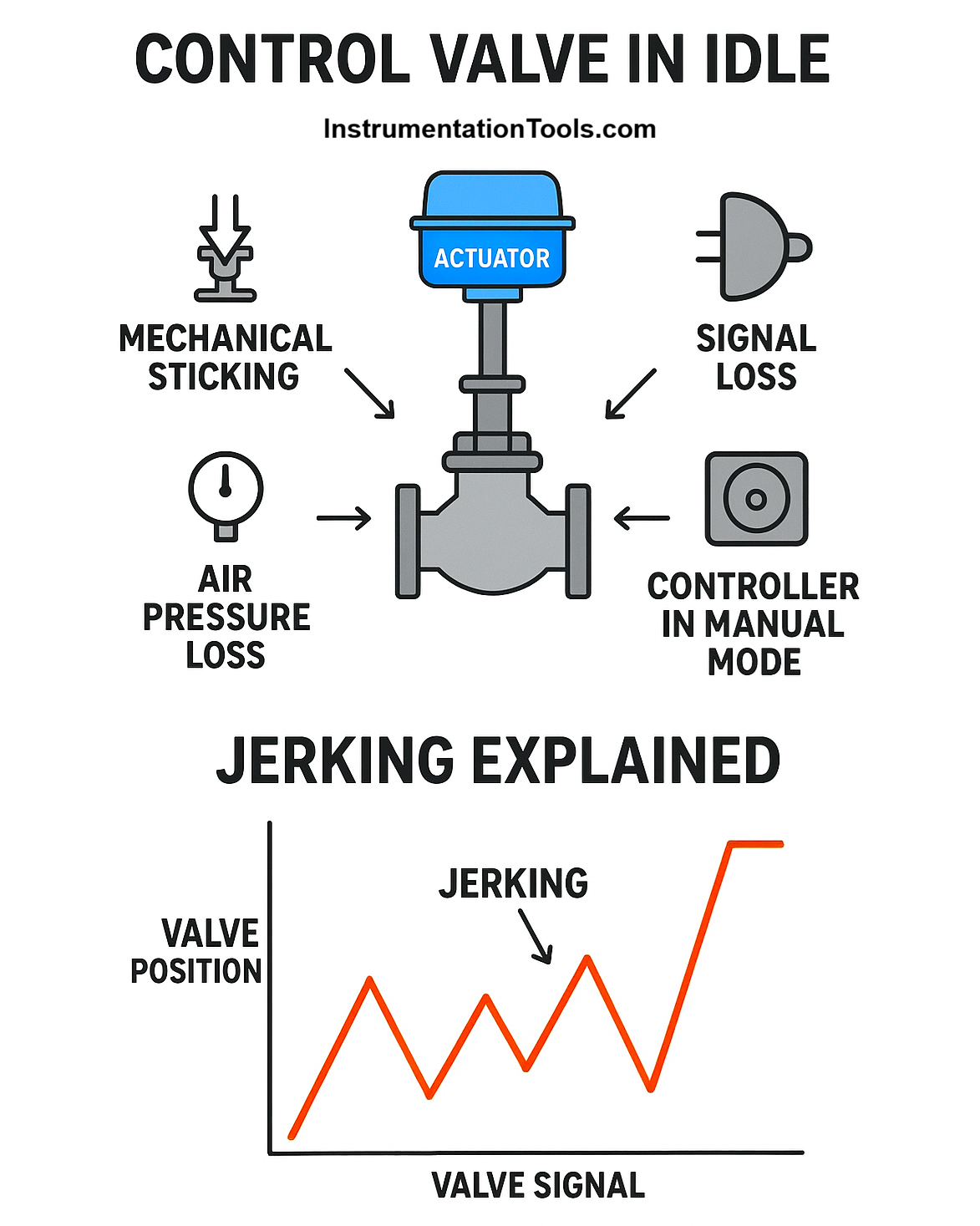
How does a control valve that is idle cause jerking?
Let us now see the consequences. By the term jerk, we mean that the valve moves in a sudden push for a short while, or even by hunting and oscillation. It is like a jerk we observe in vehicles. Suddenly, the valve breaks free and moves a lot at once, instead of moving gradually as per the command given.
For example, the valve has already been given the command to open from 0%, but it suddenly moves after 20%, causing a large frictional movement and push. So, jerking means the valve will stick again and jump again. So after 20%, it is possible that it will move after 30%, instead of moving gradually. When a jerk happens, the media flow overshoots or undershoots, the trend looks oscillatory, and you might even hear mechanical thuds or clicks as the valve snaps open and shut in bursts.
Let us understand how an idle control valve causes jerk exactly:
- As discussed earlier, if the valve is idle and moves suddenly instead of a gradual increment or decrement, then the media will be suddenly pushed or retrieved in the pipe, thus causing a jerk or hunting behaviour. It will be mostly seen in valves that have high stiction or hysteresis (needing more force), or mechanical friction being improper, or a faulty positioner calibration.
- If the fluid flashes or contains vapor bubbles, the flow through the valve can fluctuate, thus causing pressure or flow jerks. This will cause the valve, which is idle, to throttle more aggressively, creating turbulence or cavitation.
- If the valve appears idle, like in an oversized condition, then you will try to give larger move commands, thus causing a larger amount of jerk. Very small stem movements cause large flow changes, leading to jerky control.
In short, an idle control valve can cause jerking in the system due to the following major reasons:
- mechanical issues,
- electrical and signal issues,
- positioner calibration issues,
- PID tuning errors, or
- flow/process dynamics.