When you’re working on an electrical system, it is always important to remain safe from any accidental hazards in it. As these are large, high-voltage systems, getting an electric shock or burn can damage human life. Thankfully, there are international bodies that develop standards to work on electrical safety for the workforce. One such international body is NFPA, or the National Fire Protection Association. They have developed a standard called NFPA 70E to deal with electrical safety. Understanding the rules and regulations of this standard is very important for organisations that employ their workforce to work on electrical systems. But, there are some common violations or mistakes which are mostly made by these organisations when following the standard. In this post, we will see the common violations made under the NFPA 70E standard.
What is the NFPA 70E standard?
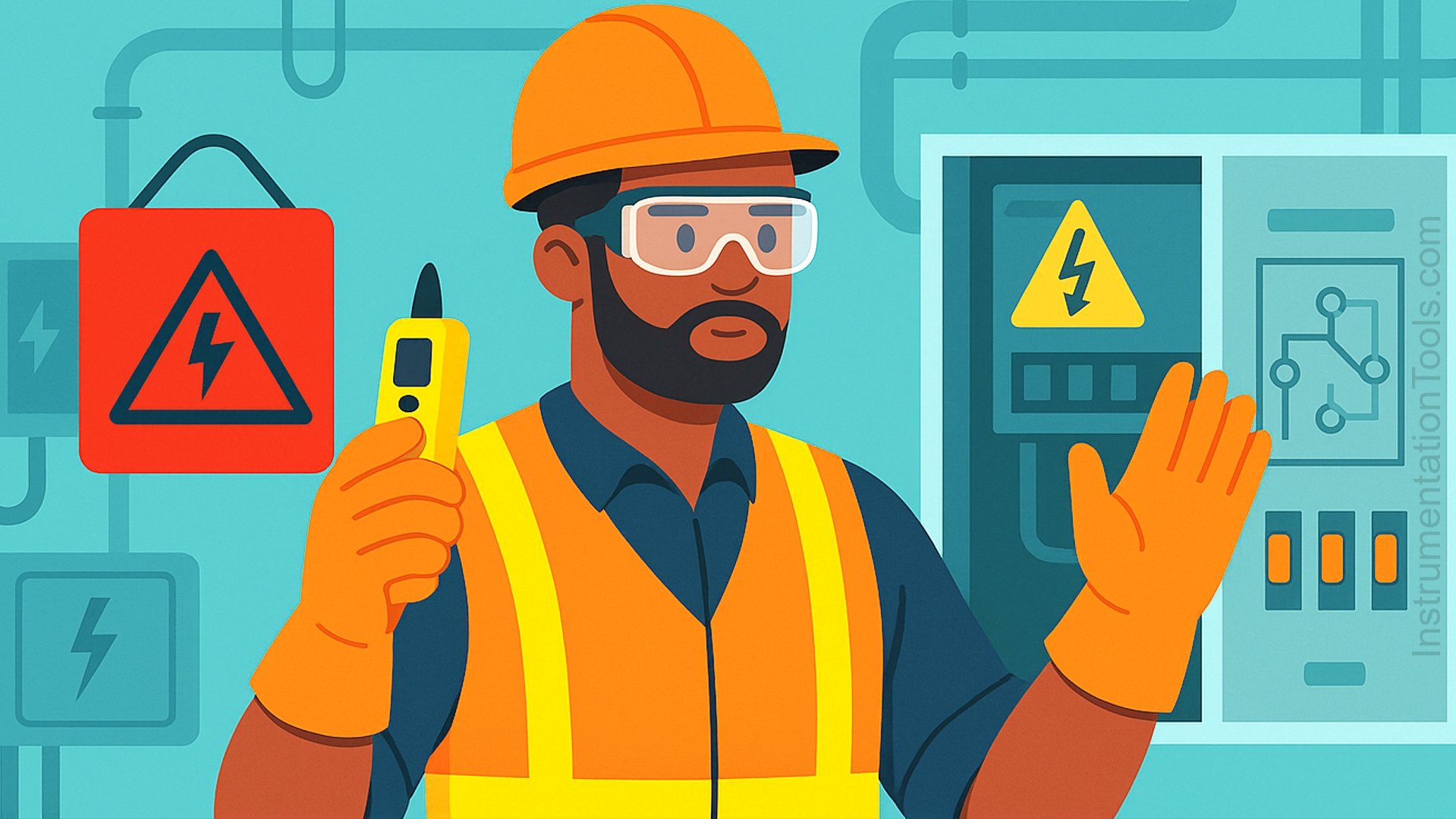
First of all, let us understand what the NFPA 70E standard is. As discussed earlier, NFPA has developed a standard for electrical safety, which helps employers to safely align the rules and regulations for the workers. A simple example is if you’re working on an electrical system above 50V, ensure it is de-energized first, and the worker wears appropriate PPE as per the defined hazard risk category to prevent electrical incidents.
This standard thus protects the workers from electrical accidents like shock, burns, flash, and arc. It documents by analysing the hazards, limits, and boundaries of the area to work, labeling the electrical devices properly according to their ratings, guiding on how to wear safety equipment for workers, conducting regular training, and maintaining proper documentation for the same. NFPA 70E is a voluntary consensus standard, while OSHA enforces general electrical safety requirements under 29 CFR 1910 Subpart S. OSHA references NFPA 70E but does not enforce it directly.
Common electrical safety violations according to OSHA
After tracking all the records done by OSHA, it took reference from the NFPA 70E standard each time, and released some common and general types of violation patterns that were found in the organisations. This has helped in an immense way to improve safety and save lives. Let us see some of the general electrical safety violations according to OSHA, by complying with the NFPA 70E standard:
1. Poor housekeeping and boundaries defining areas in the work field
These issues arise when it is found that the areas where the electrical devices are installed do not have any entry limits, sign guards, or boundaries set. This will fail to identify any unknown user, as this is a critical area to enter. Also, even if there are boundaries, it is found that the panels were found to be open or locks broken. Flammable materials were also found to be stored near such areas, which can highly create an impact of an accident, as electrical flow can ignite sparks due to this.
2. Using inappropriate tools for live work
It is found that the workers use non-rated instruments or tools for testing the equipment when running live. Some were not according to manufacturer specifications, some were filled with impurities like dust and rust, some were non-calibrated or non-rated, and some were non-insulated. This will work one time at least in a non-live electrical system, where you will just get a chance of wrong readings. But using all in a live system can create chances of arcs, shock, or other burn-related hazards nearby.
3. Inaccurate or missing arc flash labels
Electrical equipment may have incorrect or missing arc flash labels, such as improper incident energy values, working distance, PPE category, or system voltage, which can mislead workers and increase hazard risk.
4. Improper Lockout/Tagout (LOTO) operation procedure
LOTO guides the engineer to isolate the electrical equipment safely and warn the users before starting any maintenance activities. If the plans are not proper, or the equipment that is being shut down is tagged wrongly, then the worker will also be a risk of electrical shock or burns.
5. Inadequate or missing PPE
If workers fail to wear PPE rated for the incident energy level of the task, they are exposed to arc flash, arc blast, and shock hazards.
6. No proper documentation for electrical safety procedures
Companies, when doing maintenance or installation activities, must prepare proper documents on how to work with them. If the document is not proper, and the worker follows it, then it will create an accident near the electrical equipment. The datasheets of those devices must be provided properly, failing which will violate the standard.
7. Lack of fall protection
If the worker is working at heights, and the devices like ladders, harnesses, safety nets, or guardrails are improper, or there is insufficient training provided for working on such fall protection plans, then damage will occur to the workers. Many times, a proper risk assessment of such heightened areas or training is not done sufficiently.
8. Unsafe electrical conditions
Unsafe conditions, such as reversed polarity, lack of equipment grounding, incorrect conductor sizing, or high impedance in ground paths, pose serious risks and violate NFPA 70E’s electrical safety principles.
In this way, we explored the most common violations found in organizations as per NFPA 70E standards.
Read Next:
- IEC 60909 and IEC 61363 for Short Circuit
- Difference Between UL489 and UL1077
- IEC 60269 Standard Electrical Applications
- NACE Standards – MR0103 Vs MR0175
- Classified Areas and Electrical Safety