

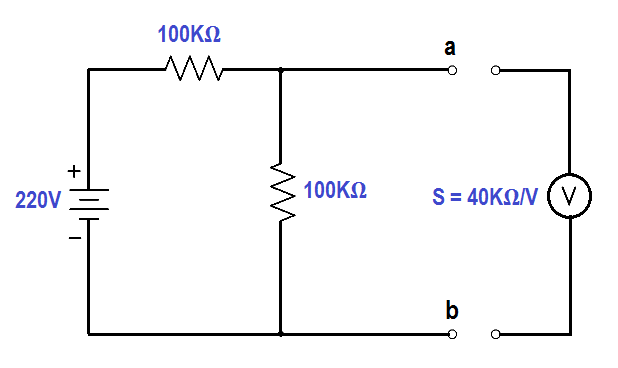
Voltmeters
A simple DC voltmeter can be constructed by placing a resistor (RS), called a multiplier, in series with the ammeter meter movement, and marking the meter face to read voltage…
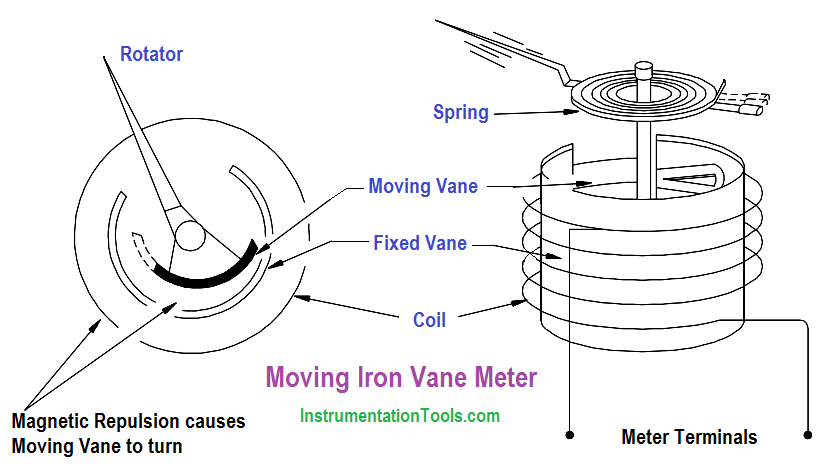
Moving Iron Vane Meter Movement
The moving iron vane movement (Figure 1) can be used to measure both AC current and voltage. By changing the meter scale calibration, the movement can be used to measure…

Electro-Dynamo Meter Movement
The electrodynamometer movement (Figure 1) has the same basic operating principle as the D’Arsonval meter movement, except that the permanent magnet is replaced by fixed coils. The moving coil and…
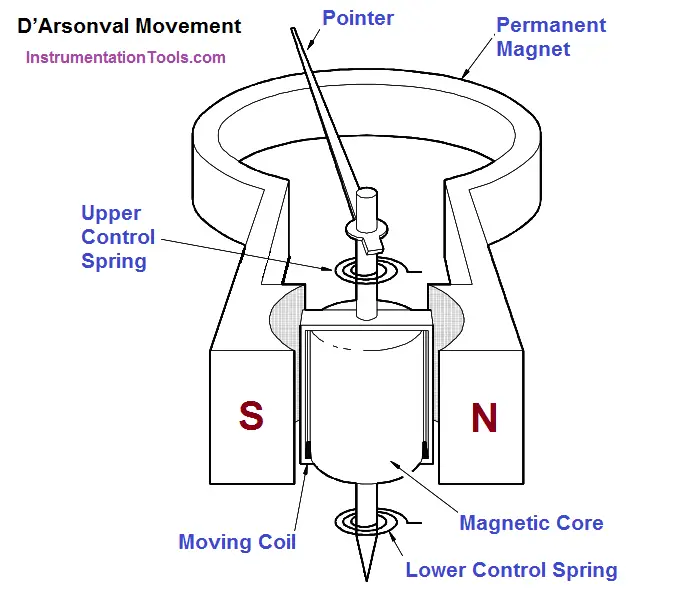
D’Arsonval Meter Movement
The most commonly used sensing mechanism used in DC ammeters, voltmeters, and ohm meters is a current-sensing device called a D’Arsonval meter movement (Figure 1). The D’Arsonval movement is a…
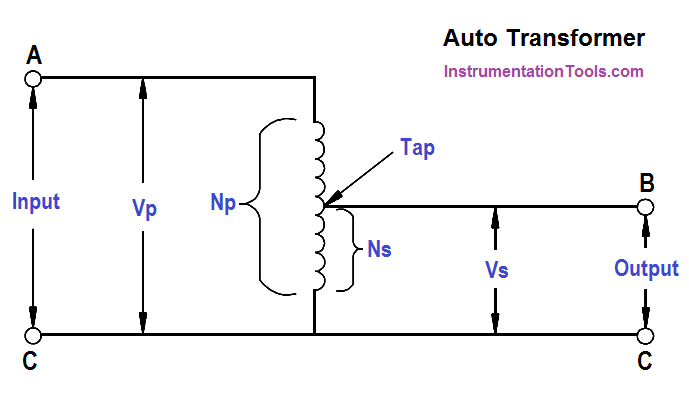
Classification of Transformers
Transformers are constructed so that their characteristics match the application for which they are intended. The differences in construction may involve the size of the windings or the relationship between…
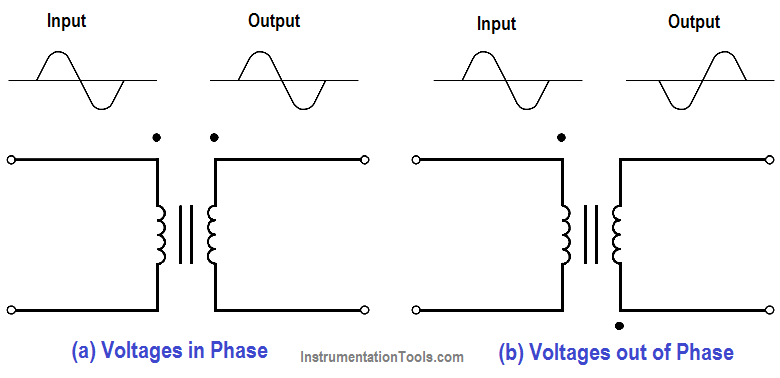
Transformer Coil Polarity
The symbol for a transformer gives no indication of the phase of the voltage across the secondary. The phase of that voltage depends on the direction of the windings around…
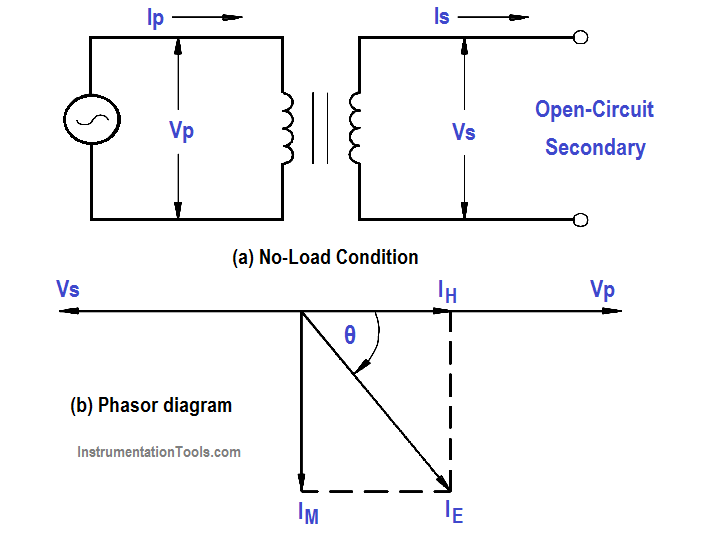
Transformer Operation Under No-Load
If the secondary of a transformer is left open-circuited (Figure 6), primary current is very low and is called the no-load current. No-load current produces the magnetic flux and supplies…
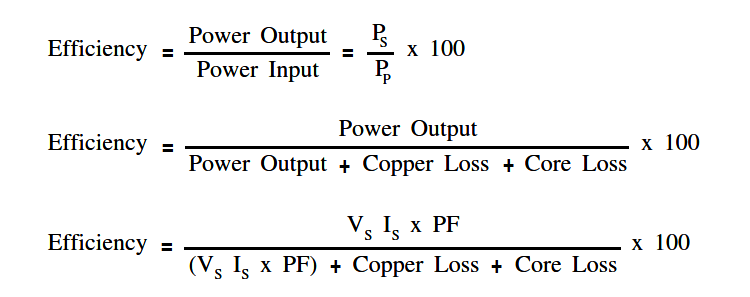
Transformer Losses and Efficiency
All transformers have copper and core losses. Copper loss is power lost in the primary and secondary windings of a transformer due to the ohmic resistance of the windings. Copper…

Three Phase Transformer Connections
So far, our discussion has dealt with the operation of single-phase transformers. Three-phase transformer operation is identical except that three single-phase windings are used. These windings may be connected in…
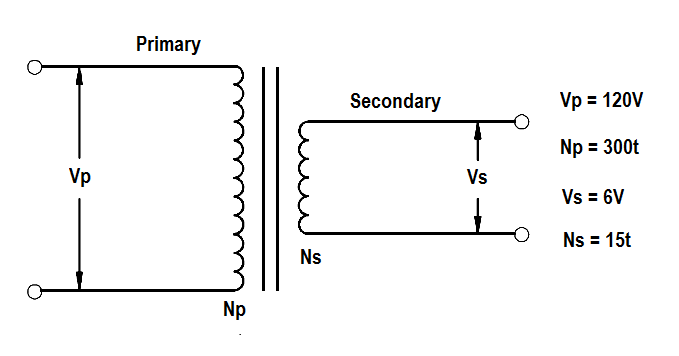
Transformer Current Ratio
The current in the windings of a transformer is inversely proportional to the voltage in the windings. This relationship is expressed in below Equation. where IP = primary coil current…
