

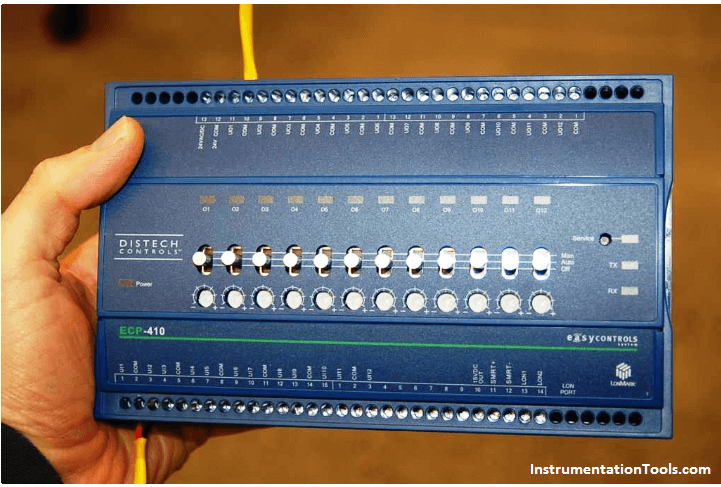
Direct Digital Control (DDC) Systems
Direct Digital Control (DDC) is the automated control of a condition or process by a digital device. DDC takes a centralized network-oriented approach. All instrumentation is gathered by various analog…
PID Controllers : Parallel, Ideal & Series
For better or worse, there are no fewer than three different forms of PID equations implemented in modern PID controllers: the parallel, ideal, and series. Some controllers offer the choice…

PID Controllers Graphical Analysis
A common exercise for students learning the function of PID controllers is to practice graphing a controller’s output with given input (PV and SP) conditions, either qualitatively or quantitatively. This…

PID Controller Response with different Input Signals
A very helpful method for understanding the operation of proportional, integral, and derivative control terms is to analyze their respective responses to the same input conditions over time. This section…
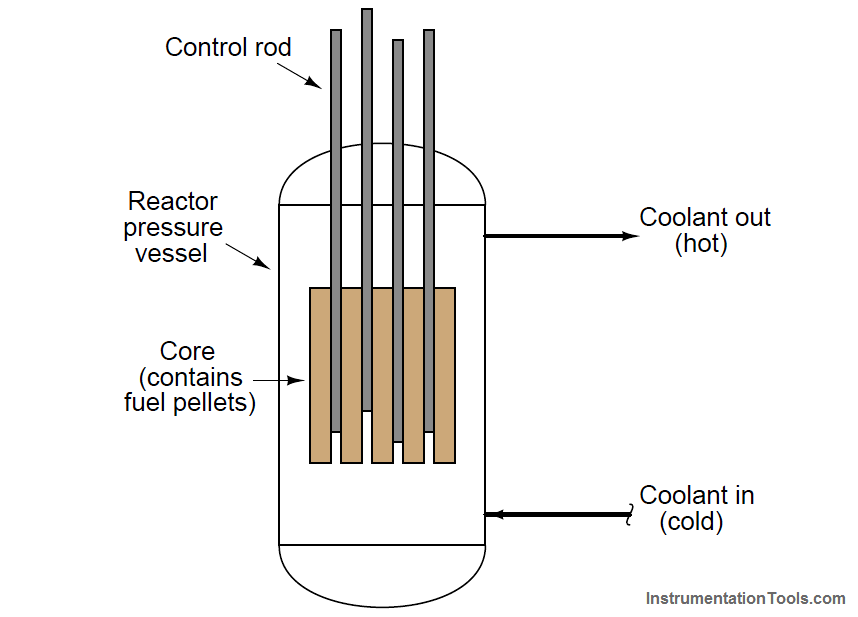
SIS Example : Nuclear Reactor Controls
Nuclear fission is a process by which the nuclei of specific types of atoms (most notably uranium-235 and plutonium-239) undergo spontaneous disintegration upon the absorption of an extra neutron, with…

Electronic Symbols
Periodic Table of Electronic Symbols Click on Image to Zoom Download Electronic Symbols Image : Click Here
Overview of PID Control terms
PID control can be a confusing concept to understand. Here, a brief summary of each term within PID (P. I, and D) is presented for your learning benefit. Proportional control…
Derivative (Rate) Control Theory
The final element of PID control is the “D” term, which stands for derivative. This is a calculus concept like integral, except most people consider it easier to understand. Simply…
Integral (Reset) Control Theory
Imagine a liquid-level control system for a vessel, where the position of a level-sensing float sets the position of a potentiometer, which then sets the speed of a motor-actuated control…

Proportional-only Offset
A fundamental limitation of proportional control has to do with its response to changes in setpoint and changes in process load. A “load” in a controlled process is any variable…
