

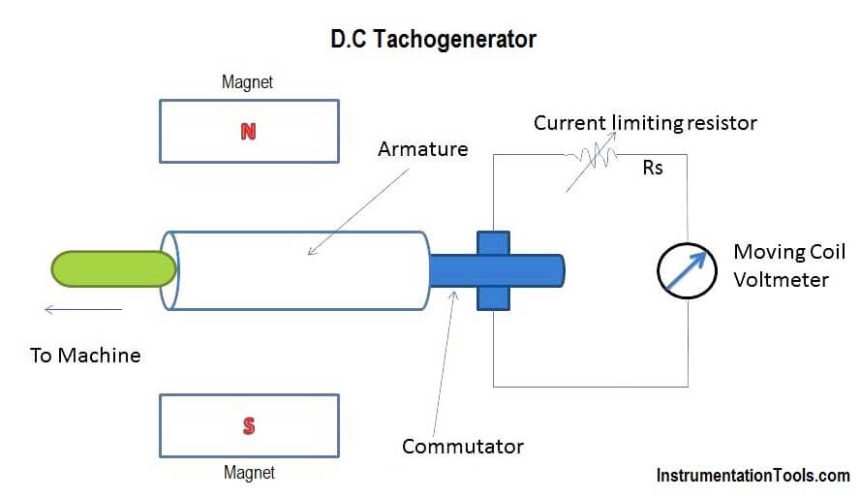
D.C Tachogenerator Principle
The D.C Tachogenerators is a type of electrical type’s tachogenerators which can also be used for speed measurement. The D.C tachogenerator is shown in below figure. The armature of the…
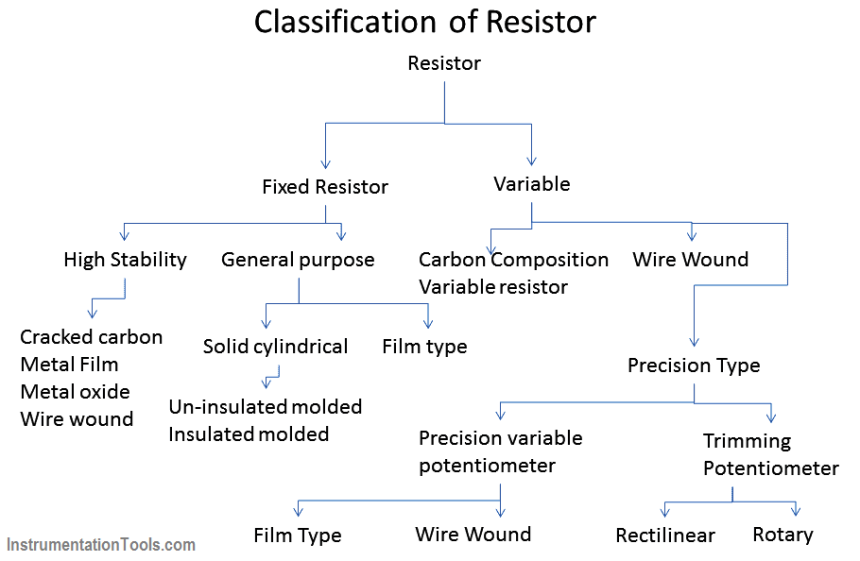
Types of Resistors
A very basic component that all the engineers including instrumentation discipline should know about. A resistor is a passive component. It introduces resistance. Resistance is defined as the property of…

Mechanical Torsion Meter Principle
Mechanical torsion meter is used to measure torque developed by a machine. Principle of mechanical torsion meter When a shaft is connected between a driving engine and driven load, a…

Optical Torsion Meter Principle
Basic Principle Due to torque, an angular twist (angular displacement) occurs on the shaft between its ends. This angle of twist is measured by using optical means where in angular…

Helix Bimetallic Thermometer Principle
This article is a continuation of my previous post on Bimetallic Thermometer Principle of Helix Bimetallic Thermometer: When a bimetallic helix fixed at one end and free at the other…

Spiral Bimetallic Thermometer Principle
Principle of Spiral bimetallic thermometer When a bimetallic spiral fixed at one end and free at the other end is subjected to a temperature change, the free end of the…
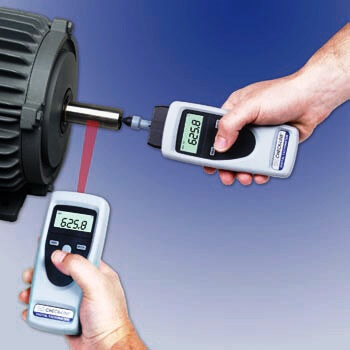
Types of Angular Velocity Measurement
Angular velocity is measured using devices called tachometers. Tachometers are instruments that measure angular speed by registering anyone of the following Number of rotations during the contact period (or) Number…

Moving Magnet Type Velocity Transducer
Principle of Moving Magnet type Velocity Transducer When a permanent magnet moves inside a coil, the change in the length of the air gap varies the reluctance. Hence the output…
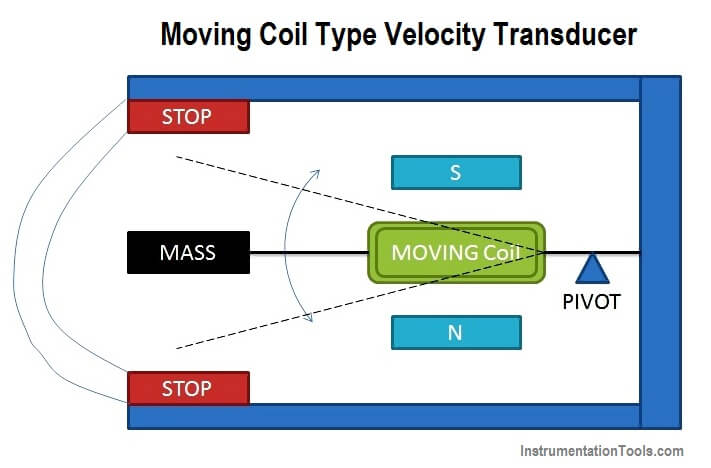
Moving Coil Type Velocity Transducer
Principle of Moving coil Type Velocity Transducer A coil moves in a magnetic field according to the velocity applied. The voltage in the coil becomes a measure of the velocity…
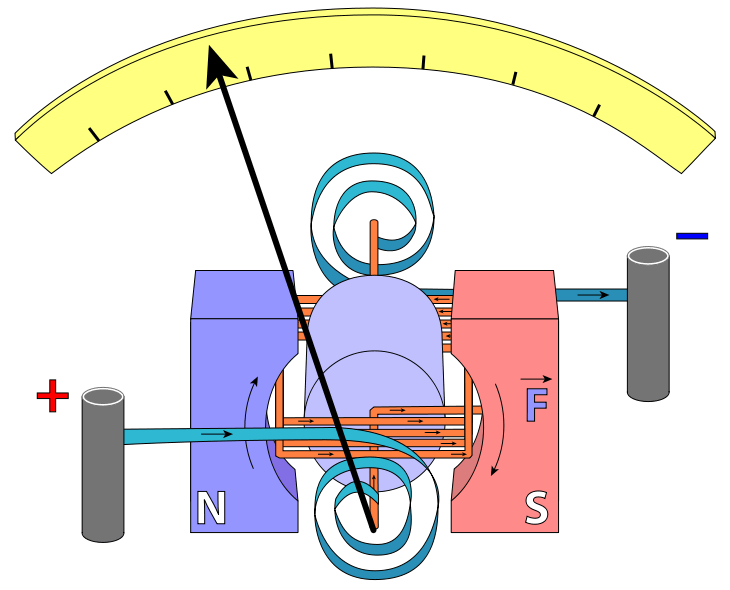
D’Arsonval Movement
The main aim of a measuring system is to presnt the data in an understandable manner to the user / observer. The data presentation device is called as an output…
