

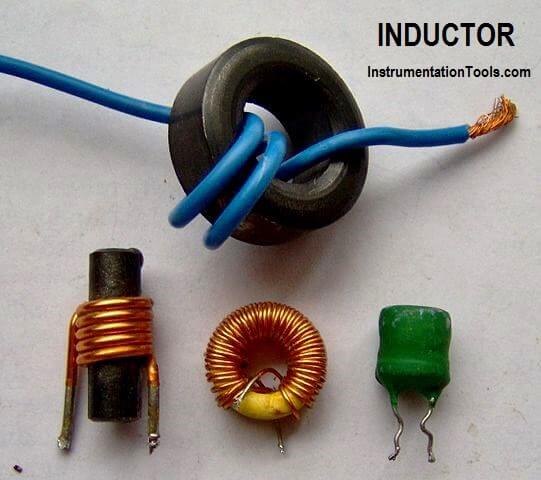
Inductor
An inductor is a circuit element that will store electrical energy in the form of a magnetic field. It is usually a coil of wire wrapped around a core of…
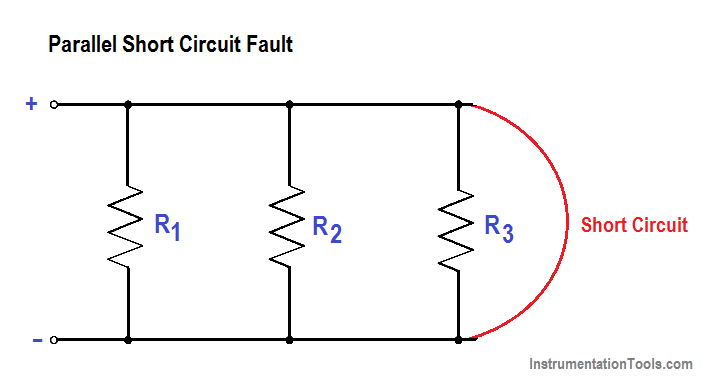
Parallel Short Circuit Faults
Faults within a DC circuit will cause various effects, depending upon the nature of the fault. An understanding of the effects of these faults is necessary to fully understand DC…
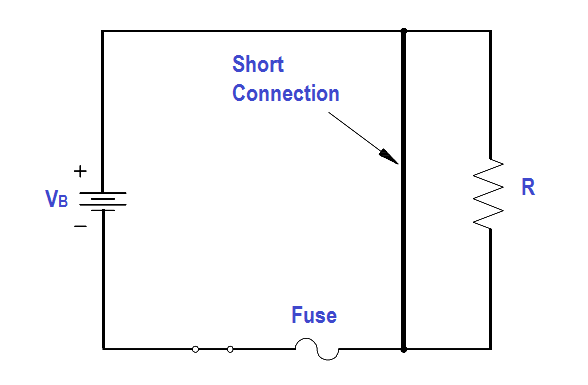
Series Short Circuit Faults
Faults within a DC circuit will cause various effects, depending upon the nature of the fault. An understanding of the effects of these faults is necessary to fully understand DC…
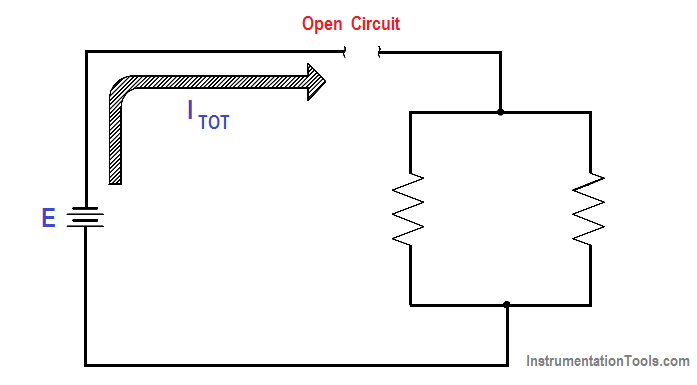
Parallel Open Circuit Faults
Faults within a DC circuit will cause various effects, depending upon the nature of the fault. An understanding of the effects of these faults is necessary to fully understand DC…
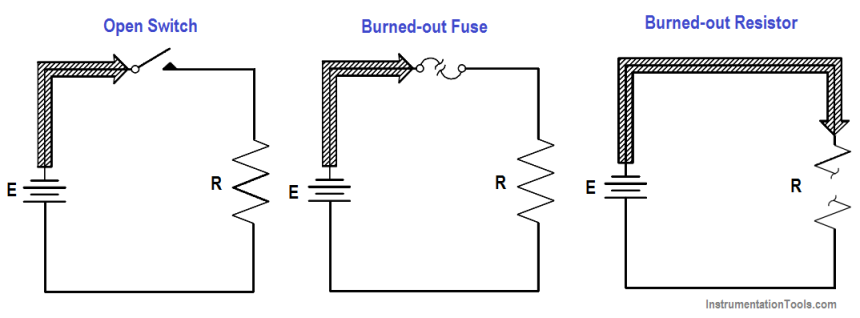
Series Open Circuit Faults
Faults within a DC circuit will cause various effects, depending upon the nature of the fault. An understanding of the effects of these faults is necessary to fully understand DC…

Y and Delta Resistor Network Calculations
Because of its shape, the network shown in Figure 47 is called a T (tee) or Y (wye) network. These are different names for the same network. Figure 47 :…
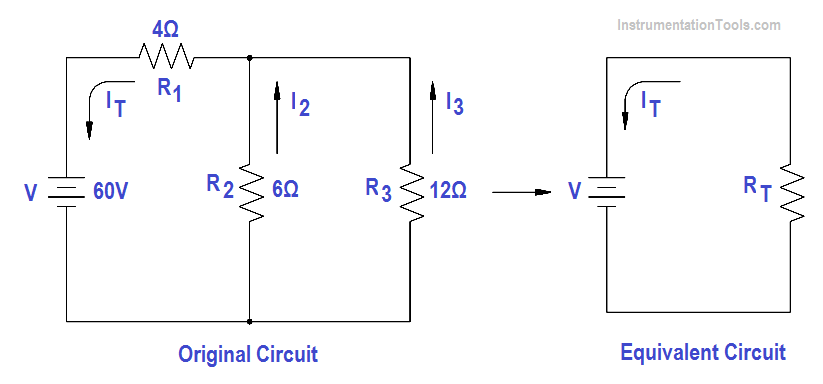
Series – Parallel Circuit Analysis
When solving for voltage, current, and resistance in a series-parallel circuit, follow the rules which apply to the series part of the circuit, and follow the rules which apply to…
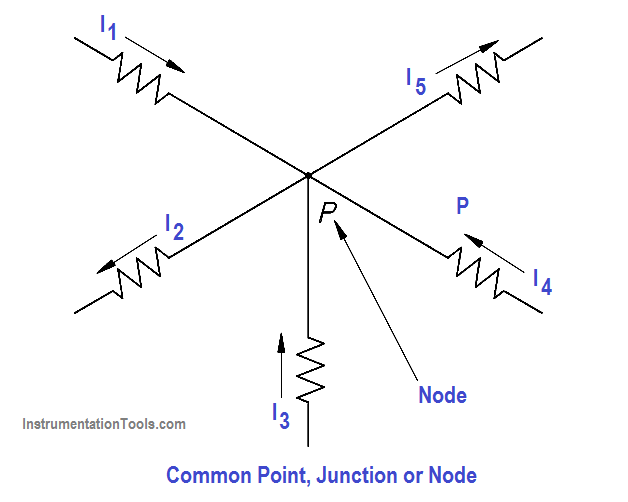
DC Circuit Analysis Node Equations
All of the rules governing DC circuits that have been discussed so far can now be applied to analyze complex DC circuits. To apply these rules effectively, loop equations, node…
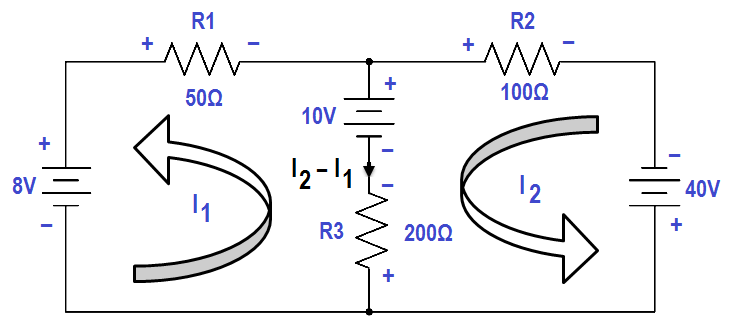
DC Circuit Analysis Loop Equations
All of the rules governing DC circuits that have been discussed so far can now be applied to analyze complex DC circuits. To apply these rules effectively, loop equations, node…
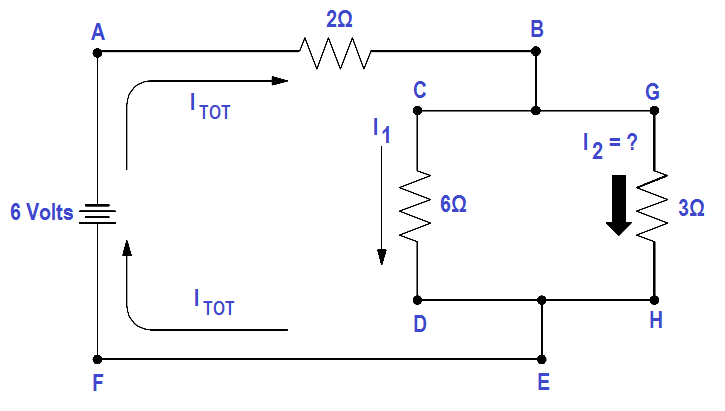
Applying Kirchhoff’s Current Law
Kirchhoff’s second law is called his current law and states: "At any junction point in a circuit, the current arriving is equal to the current leaving." Thus, if 15 amperes…
