

Difference between PT100, PT1000, Nickel RTD and Balco RTD
Comparison of Different RTD Types : PT100 Vs PT1000 Vs Nickel RTD Vs Balco RTD Description Platinum RTD 100Ω wire wound and thin film Platinum RTD 1000Ω thin film Nickel…
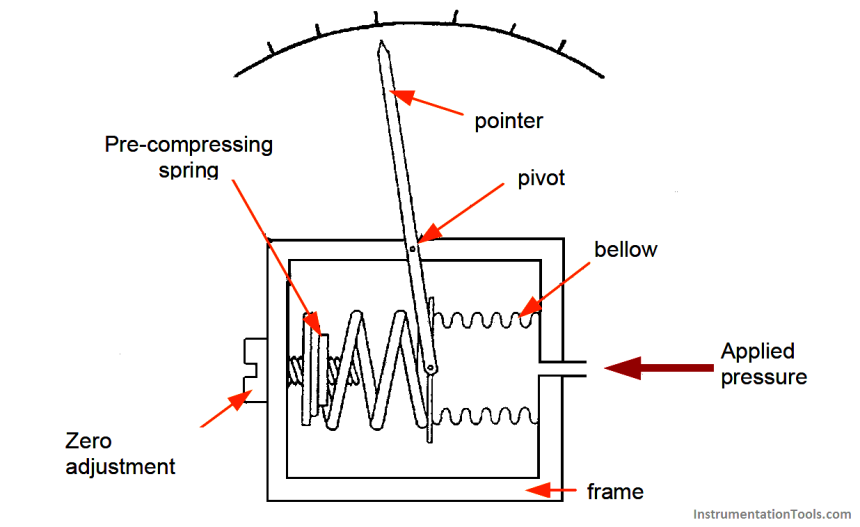
Bellows
Principle: Bellows pressure element is works on the principle of Elasticity. Material of Construction : S.S., Copper Phosphorus bronze Uses : To measure pressure. Bellows is a thin-walled, one piece…
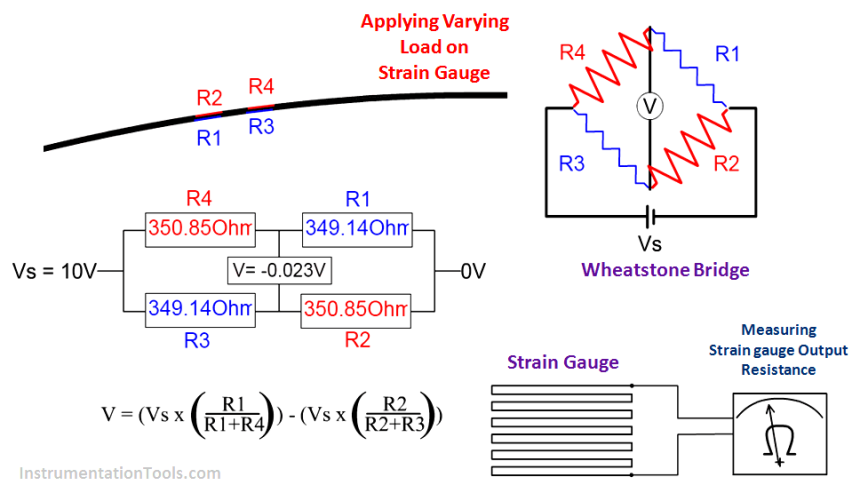
Strain Gauge Animation
A strain gauge is a long length of conductor arranged in a zigzag pattern on a membrane. When it is stretched, its resistance increases and Vice Versa. Strain gauges are…
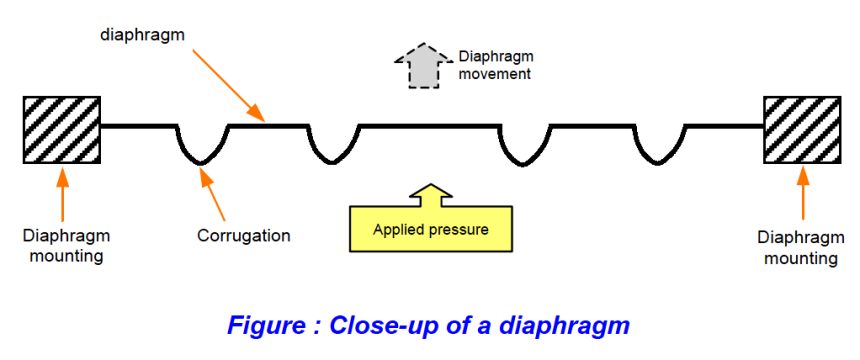
Diaphragms
Is a relatively broad, shallow cup like form which is made of thin metal or flexible materials chosen for qualities that relate to elasticity, ease of forming and heat treatment,…
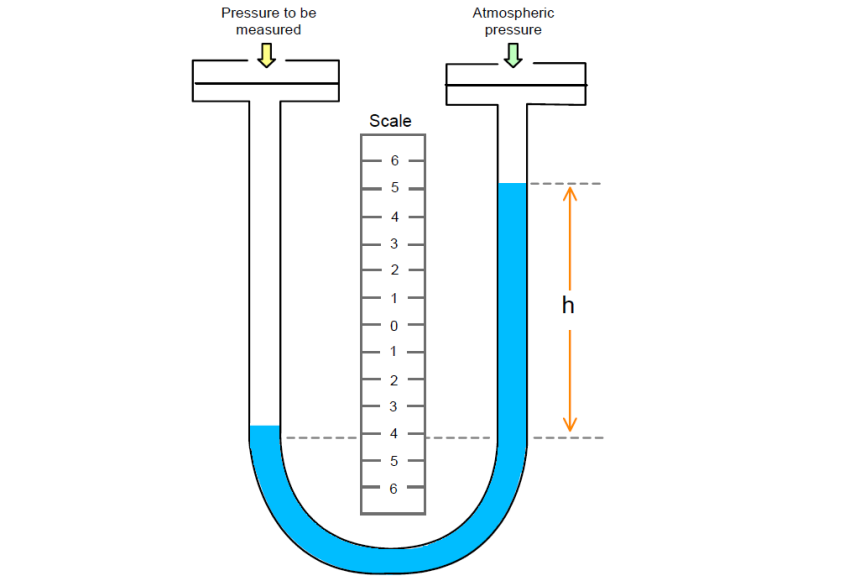
Two-Liquid Manometer Principle
The two-liquid manometer is used to measure very small pressures. This is because a very small applied pressure, will produce a large liquid movement. The basic arrangement is shown in…
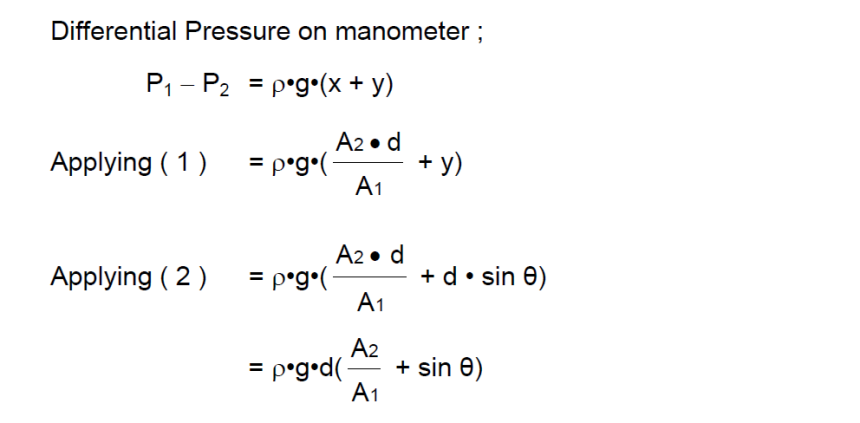
Inclined-limb Manometer Principle
This design of manometer is shown on the figure. As the name " Inclined-Limb Manometer " suggests, the manometer limb is inclined at an angle to the horizontal. The effect…
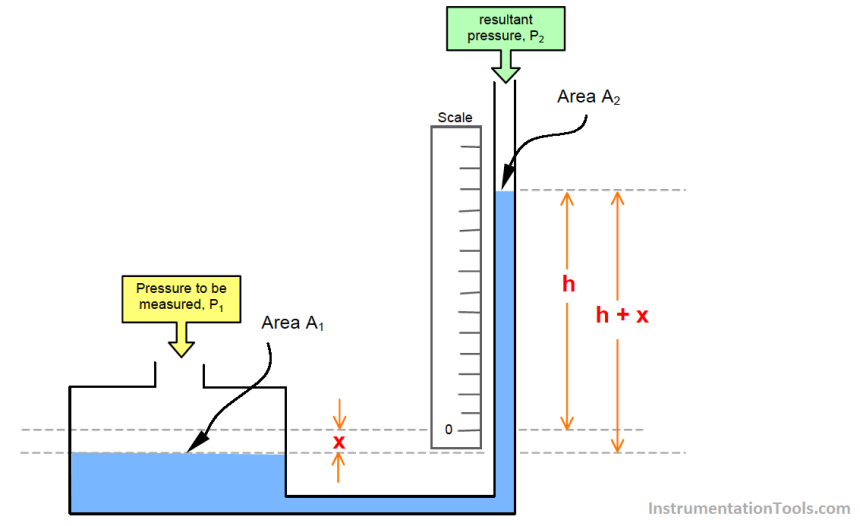
Well Manometer Principle
Well Manometer Principle Well Manometer - same as the U-tube except for the reservoir on the high-pressure side. It is sometimes called a single column gauge. The manometer consists of…
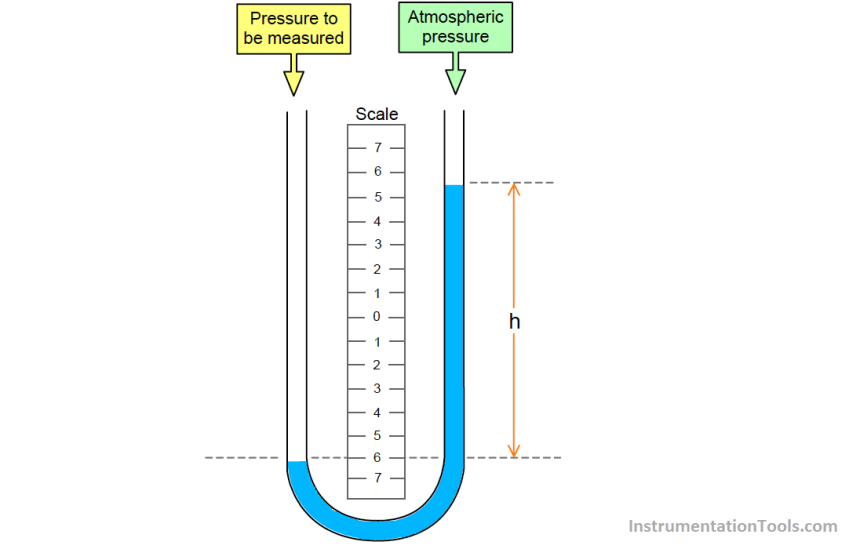
U-tube Manometer Principle
The simplest form of manometer consists of a U-shaped glass tube containing liquid. It is used to measure gauge pressure and are the primary instruments used in the workshop for…
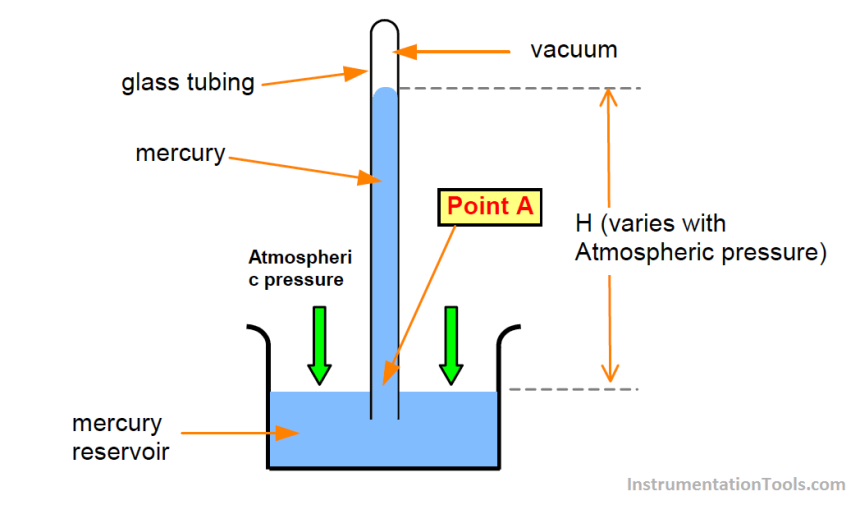
What is a Barometer?
A barometer is a scientific instrument used in meteorology to measure atmospheric pressure. Pressure tendency can forecast short term changes in the weather. Barometers and pressure altimeters (the most basic and common type of altimeter) are essentially…
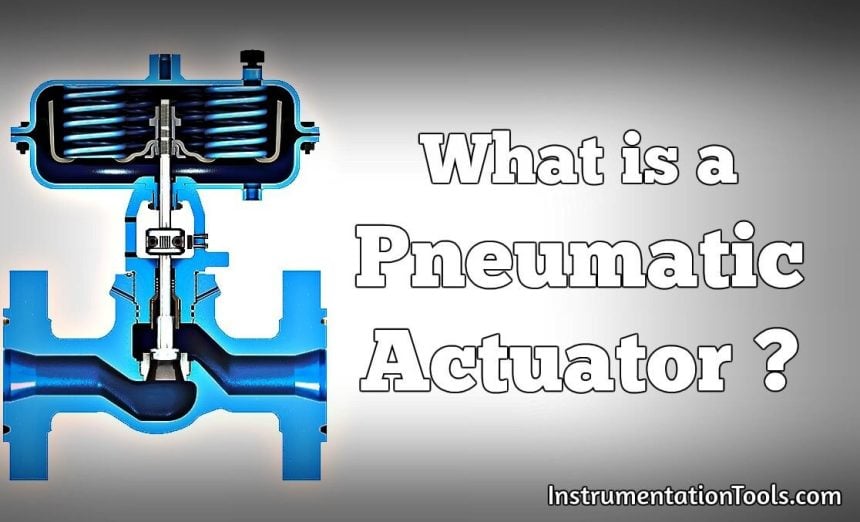
What is a Pneumatic Actuator ?
Actuator : By themselves, valves cannot control a process. Manual valves require an operator to position them to control a process variable. Valves that must be operated remotely and automatically…
