

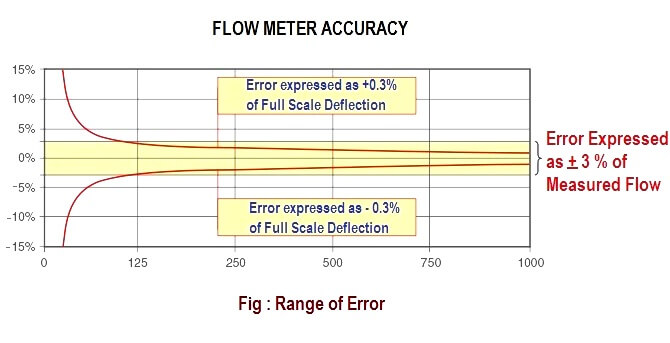
Impact of Flow Meter Accuracy
In flow meter, a number of terms are important to consider, which include Repeatability, Uncertainty, Accuracy, and Turndown.
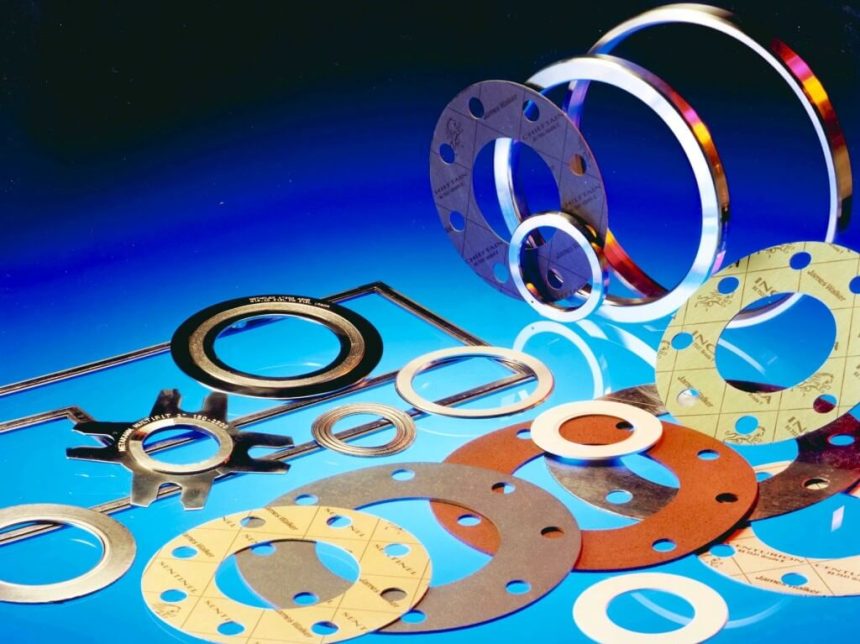
What is a Flange Gasket ?
What is a Flange Gasket ? Flange gaskets are used to create a static seal between two flanges faces, at various operating conditions, with varied pressure and temperature ratings. A…
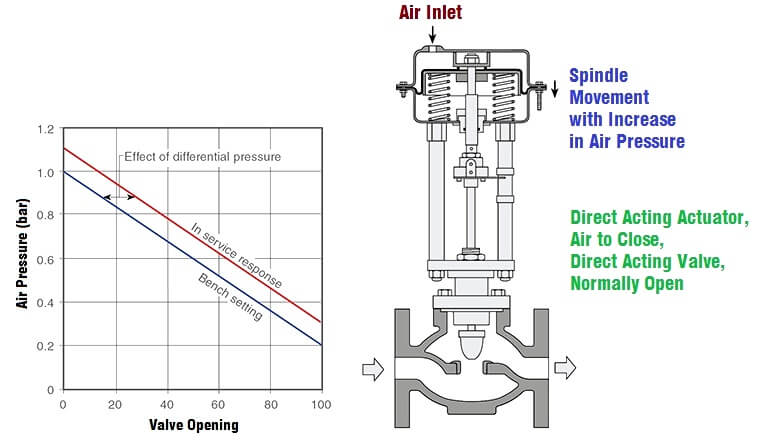
Effect of Differential Pressure on Control Valve Lift
The air fed into the diaphragm chamber is the control signal from the pneumatic controller. The most widely used signal air pressure is 0.2 bar to 1 bar. Consider a…
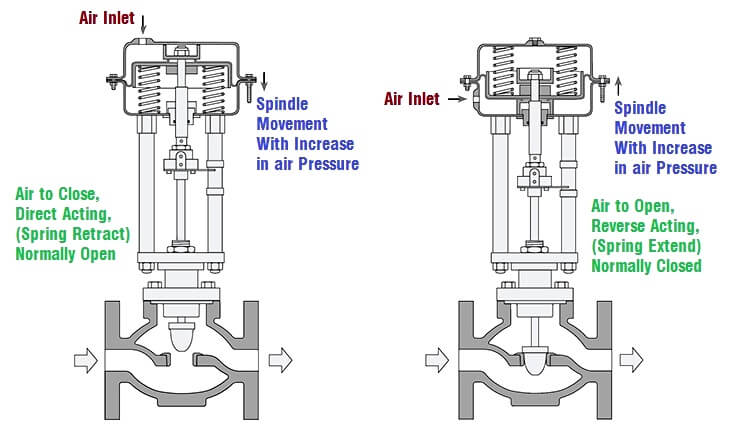
Pneumatic Control Valve Actuators
The operation of a control valve involves positioning its movable part (the plug, ball or vane) relative to the stationary seat of the valve. The purpose of the valve actuator…
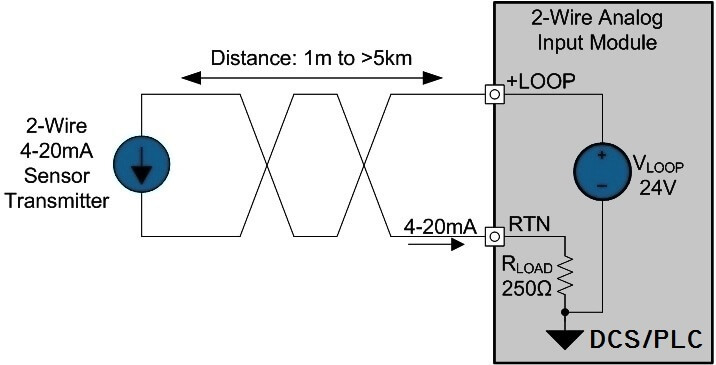
Basics of Two, Three & Four Wire Transmitters
All devices in a 4-20 mA current loop need to be supplied power from somewhere in order to function. Two-wire devices receive their power from the process signal loop itself…
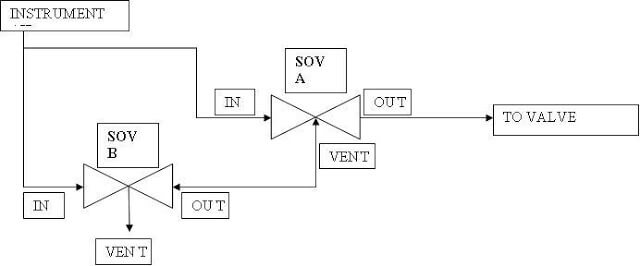
Two Solenoid Valves Working Principle
A solenoid valve is an electro-mechanical device in which the solenoid uses an electric current to generate a magnetic field and thereby operate a mechanism which regulates the opening of…

Resistance Temperature Detectors Troubleshooting Tips
Resistance Temperature Detectors(RTDs) are widely used across several industries – power, food and beverage etc – for temperature measurement. In using them, different types of application problems occur once in…
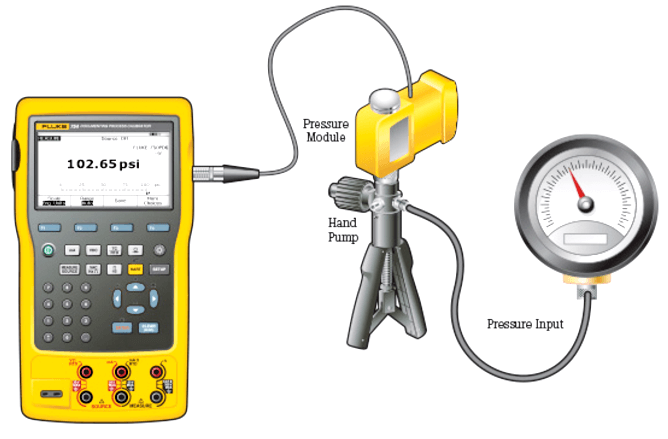
How to Test a Pressure Gauge
Both analog and digital process gauges need to be verified to detect errors related to drift, environment, electrical supply, addition of components to the output loop, and other process changes.…
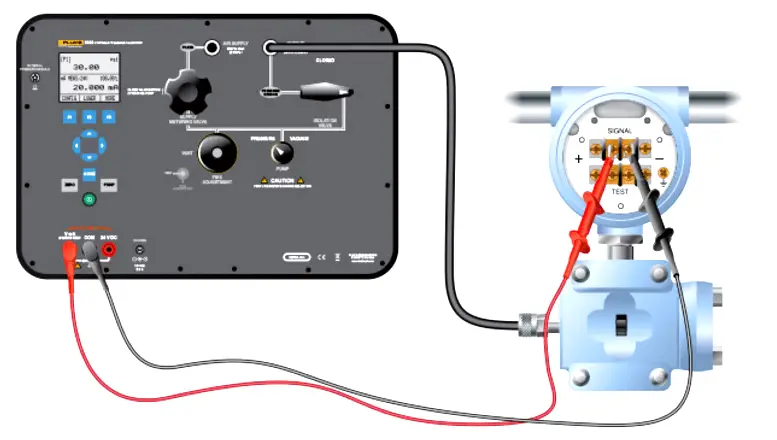
Pressure Transmitter Calibration at the bench
Technicians calibrate at the bench to ensure calibrations are effective and don’t result in degradation of performance. They ensure that all components are in good working order prior to installation,…
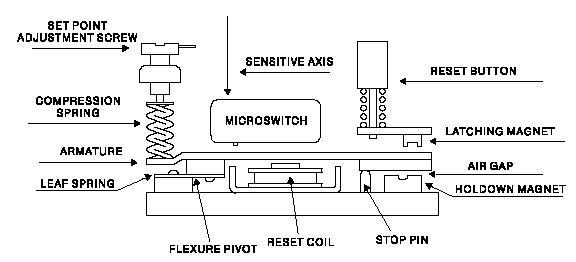
Vibration Switch Working Principle
A vibration switch is a device that recognizes the amplitude of the vibration to which it is exposed and provides some sort of response when this amplitude exceeds a predetermined…
