

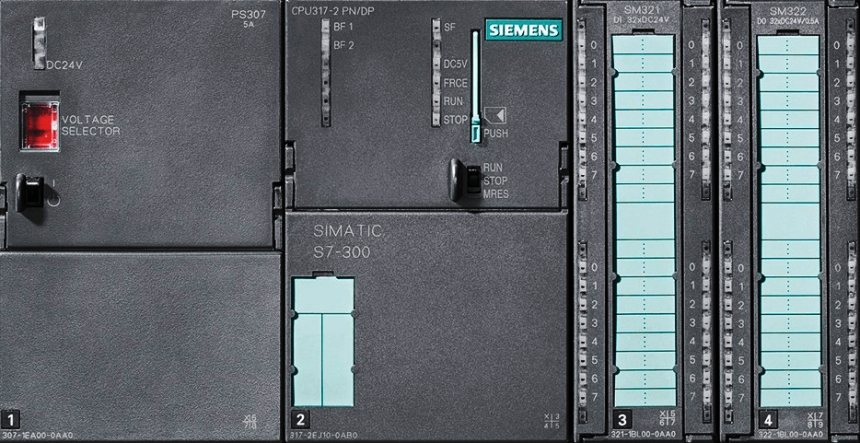
#12 PLC Best Practices – Validate Inputs based on Physical Plausibility
Ensure operators can only input what’s practical or physically feasible in the process. Learn the PLC's best rules.

#11 PLC Best Practices – Instrument for Plausibility Checks
Instrument the process in a way that allows for plausibility checks by cross-checking different measurements.
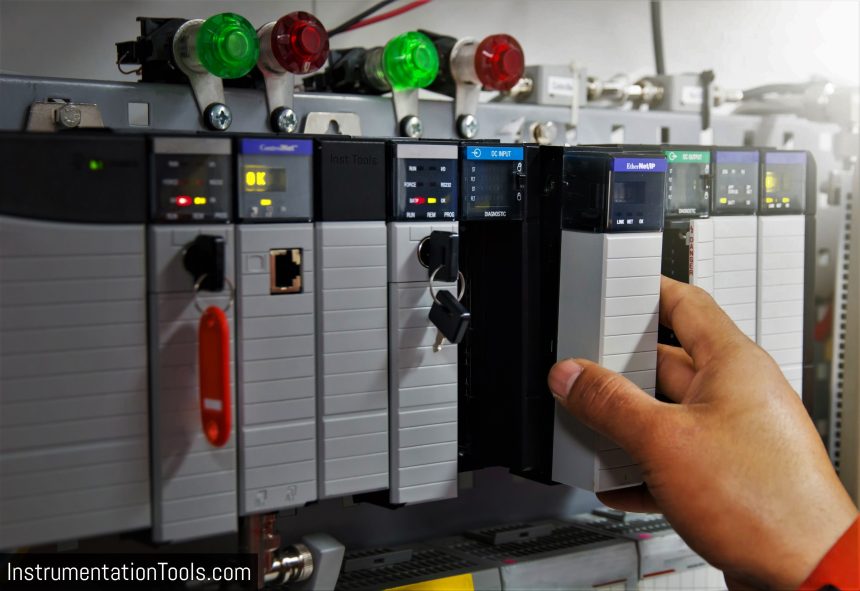
#10 PLC Best Practices – Assign Register Blocks by Function
Assign designated register blocks for specific PLC functions in order to validate data and block unauthorized access to controller data.
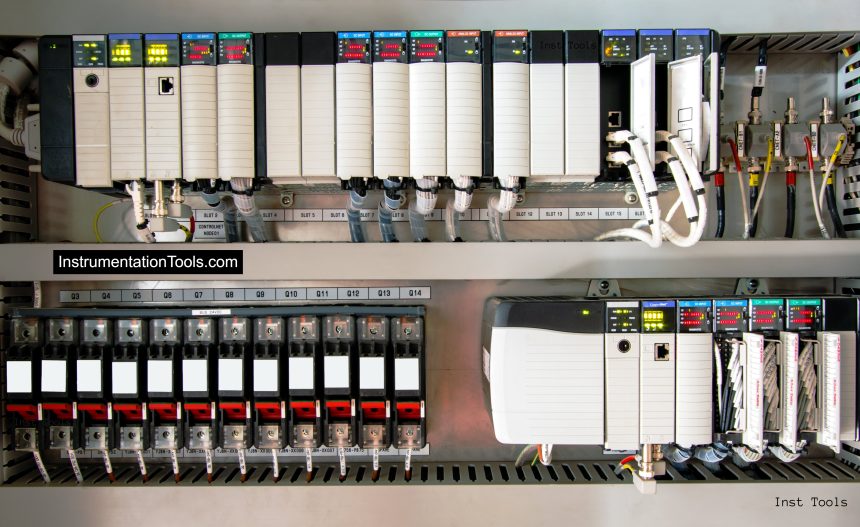
#9 PLC Best Practices – Validate indirections
PLC best practices - Validate indirections by poisoning array ends to catch fence-post errors.
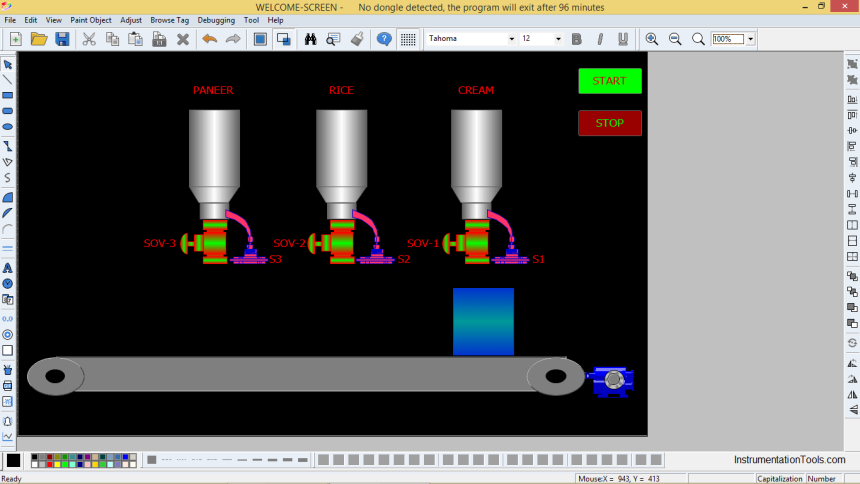
#8 PLC Best Practices – Validate HMI Input Variables at PLC Level
HMI access to PLC variables can be restricted to a valid operational value range but further cross-checks in the PLC should be added.
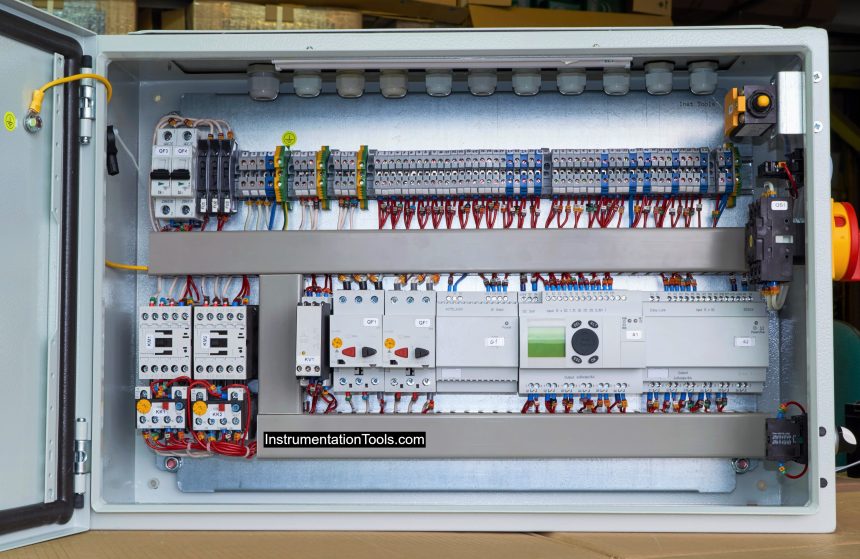
#7 PLC Best Practices – Validate and Alert for Paired Inputs/Outputs
Alarm the operator when input/output states occur that are physically not feasible. Validate and alert for paired inputs/outputs in PLC.
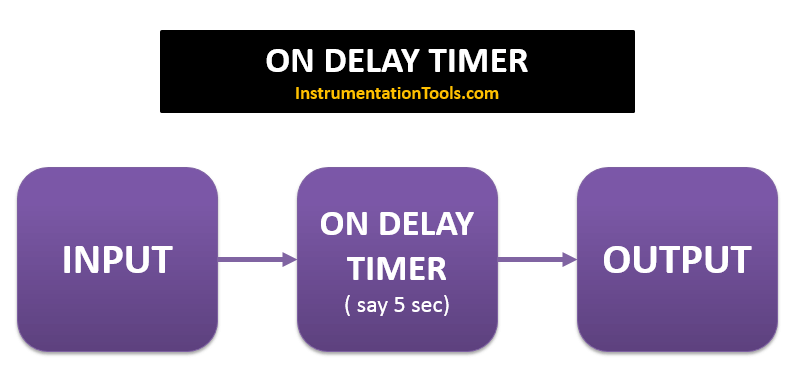
#6 PLC Best Practices – Validate Timers and Counters
If timers and counters values are written to the PLC program, they should be validated by the programmable logic controller.
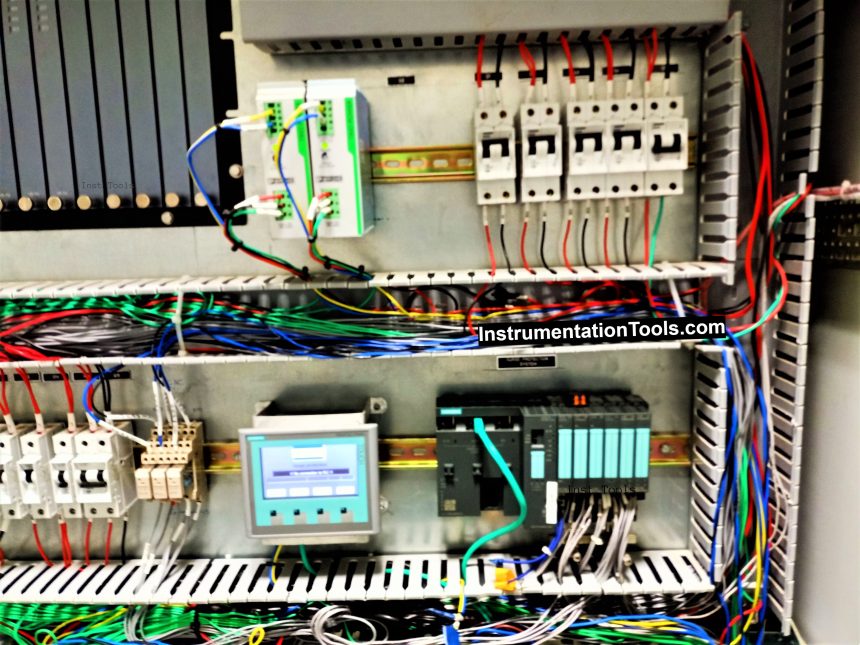
#5 PLC Best Practices – Cryptographic and Checksum Integrity Checks
Use cryptographic hashes, or checksums to check PLC program integrity and raise an alarm when they change.
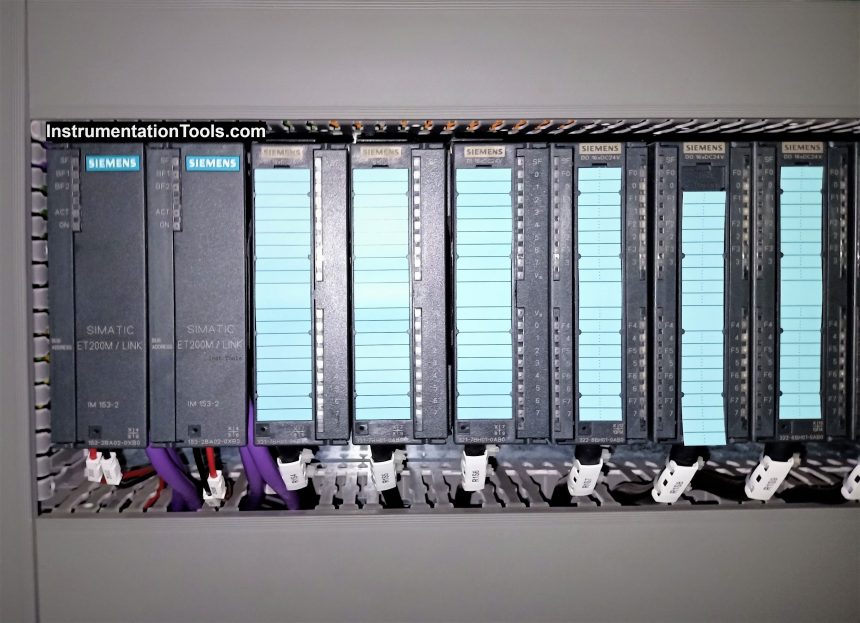
#4 PLC Best Practices – Use PLC Flags as Integrity Checks
One of the best PLC best practices is to use PLC flags as integrity checks. Put counters on PLC error flags to capture any math problems.
#3 PLC Best Practices – Leave Operational Logic in the PLC wherever feasible
Leave as much operational logic e.g., totalizing or integrating, as possible directly in the PLC. The HMI does not get enough capacity.
